



How to Clean and Store Body Armor
How to clean and store body armor the right way: soft armor, hard plates, and carriers. Extend the life of your armor and avoid the mistakes that degrade it.
Body armor is safety equipment, and like any safety equipment it lasts longer and performs better when it is maintained properly. The good news is that armor maintenance is simple. The bad news is that a few common mistakes, mostly around heat, moisture, and improper washing, quietly degrade armor and shorten its useful life. This guide covers how to clean and store soft armor, hard plates, and carriers the right way.
Cleaning Soft Armor
Soft armor panels are ballistic fiber sealed inside a cover. The cardinal rule: never submerge or machine-wash the ballistic panel itself. The fibers and the water-resistant treatment that protects them are degraded by submersion, agitation, and harsh detergents.
To clean soft armor: remove the ballistic panels from their carrier cover. Wipe the panels down with a cloth dampened with cool water and a small amount of mild soap, then wipe with a clean damp cloth and let them air dry completely, flat, away from direct heat and sunlight. The removable carrier cover can usually be washed separately according to its own care instructions, but the panel inside is wipe-clean only.
Never put ballistic panels in a washing machine or dryer, never wring or fold them hard, and never dry them with a heat source. Heat and mechanical stress are what damage the fiber matrix.
Cleaning Hard Plates
Hard plates are more robust than soft armor but still need care. Wipe the plate with a damp cloth and mild soap to remove dirt, sweat, and grime, then dry it. Most plates have a protective coating (polyurea or similar); a wipe-down is all that is needed and keeps that coating intact.
Do not use solvents, abrasives, or pressure washers on plates, which can damage the coating or the plate edges. After cleaning, inspect the plate: look for cracks, dents, delamination, or coating damage, especially on ceramic plates, which can develop internal fractures from impacts that are not visible on the surface. A plate that has been dropped hard should be inspected carefully and replaced if there is any doubt.
Cleaning Carriers
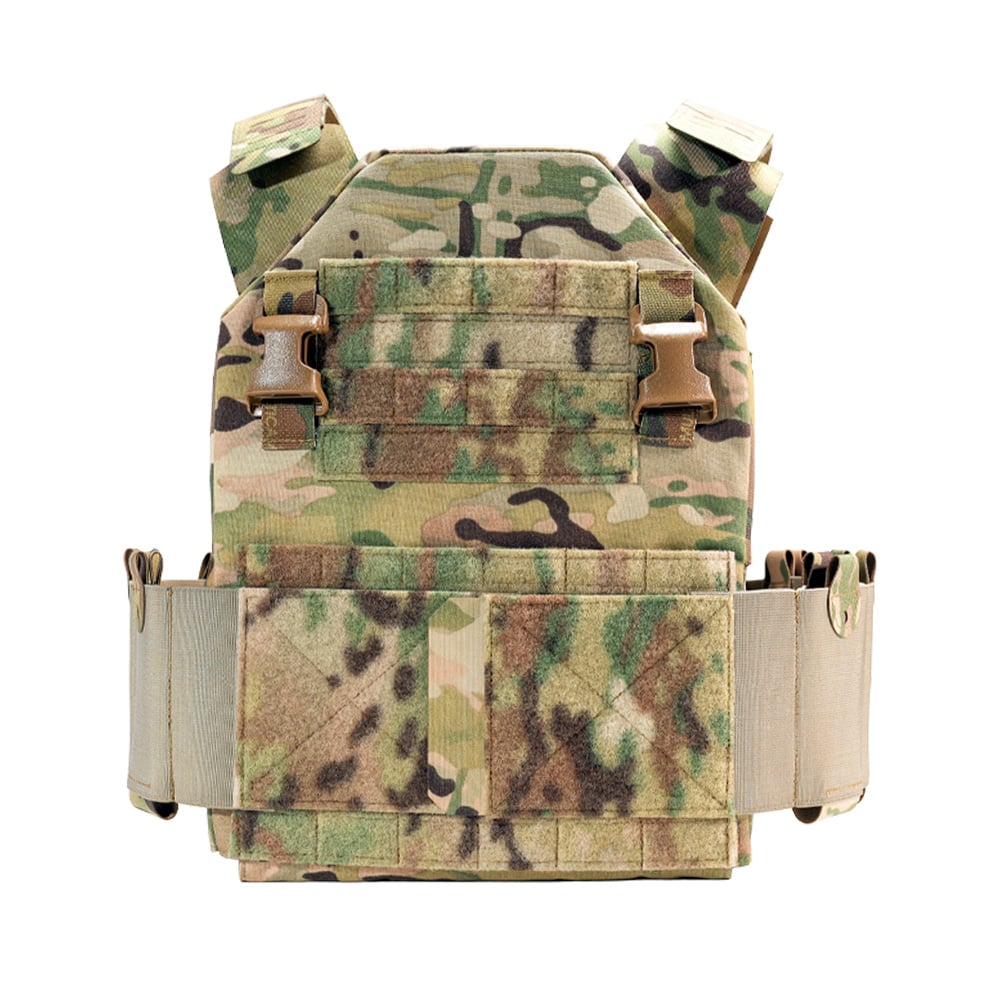
The carrier (the nylon garment that holds the armor) is the part that gets the dirtiest, since it absorbs sweat and contacts the environment directly. Remove all armor panels and plates first. Then spot-clean or hand-wash the carrier in cool water with mild soap. Some carriers tolerate a gentle machine wash in a laundry bag, but check the manufacturer’s guidance, and never wash a carrier with the armor still inside.
Air dry the carrier completely before reassembling. Do not use a dryer, which can damage hook-and-loop, elastic, and laminated components. Reassemble only once everything is fully dry, since trapped moisture promotes mildew and degrades soft armor.
Storing Body Armor
Storage is where most armor degradation actually happens, because armor spends far more time stored than worn. The enemies of stored armor are heat, UV, moisture, and improper positioning.
- Store in a climate-controlled space. Not a hot vehicle, attic, shed, or garage. Vehicle interiors in summer routinely exceed 140°F, which is above the safe threshold for UHMWPE and accelerates degradation of all armor materials. A closet inside the conditioned part of your home is ideal.
- Keep it out of direct sunlight. UV degrades ballistic fibers, especially aramid (Kevlar). Store armor in the dark or in opaque storage.
- Store soft armor flat or lightly curved, never sharply folded. Folding and creasing damages the fiber matrix at the crease point. Lay panels flat or store them in the gentle curve they are designed to hold.
- Keep it dry. Moisture degrades aramid and promotes mildew. Make sure armor is fully dry before storage and keep the storage area dry.
- Keep it away from chemicals and fuel. Solvents, fuels, and harsh chemicals damage ballistic materials and coatings.
Hard plates are less sensitive to storage conditions than soft armor but still benefit from a cool, dry, stable environment, and ceramic plates should be stored where they will not be dropped or have weight stacked on them.
Inspection and Replacement
Maintenance includes knowing when armor is past its service life. Soft armor carries a manufacturer expiration date, typically around 5 years for aramid and 7 to 10 years for UHMWPE, printed on the panel. Hard plates last 5 to 10 years depending on material and handling. These are not arbitrary; the materials degrade over time even with perfect storage, and the dates reflect the manufacturer’s warranty boundary.
Inspect armor periodically: check soft armor for delamination, stiffness changes, or shape distortion; check hard plates for cracks, dents, and coating damage; check carriers for worn stitching, frayed webbing, and tired hook-and-loop. Replace anything past its expiration date or showing damage. For the full breakdown on armor aging, see our article on soft armor expiration dates.
Bottom Line
Wipe-clean soft armor panels and hard plates with mild soap and a damp cloth, never machine wash or heat-dry them, and wash carriers separately with the armor removed. Store armor in a climate-controlled space, out of sunlight, flat or lightly curved, dry, and away from chemicals. Inspect periodically and replace anything expired or damaged.
For the full body armor picture, see our complete body armor guide and our guide to soft armor expiration dates.
FAQ
No, never machine wash the ballistic panels. Soft armor panels are wipe-clean only with a damp cloth and mild soap. The removable carrier cover can often be washed separately per its care instructions, but never with the armor inside, and never in a dryer.
Remove the panels from the carrier. Wipe the panels with a cloth dampened with cool water and mild soap, then a clean damp cloth, and air dry flat. Wash the carrier cover separately. The sweat mostly soaks into the carrier, which is the washable part; the panel itself only gets wiped.
In a climate-controlled space out of direct sunlight, like an interior closet. Avoid hot vehicles, attics, sheds, and garages, where summer heat exceeds the safe threshold for ballistic materials. Store soft armor flat or lightly curved, never sharply folded, and keep everything dry.
Yes. Heat is one of the biggest causes of armor degradation. UHMWPE degrades above roughly 180°F, and a hot vehicle interior in summer can exceed 140°F regularly. Sustained heat shortens the life of all armor materials, which is why climate-controlled storage matters.
No. Folding and sharp creasing damages the ballistic fiber matrix at the crease point. Store soft armor flat or in the gentle curve it is designed to hold. Repeated folding creates weak points in the panel.
Wipe down plates and panels and clean the carrier roughly monthly with normal use, or after any heavy-sweat or dirty session. Do a deeper inspection quarterly. The carrier needs cleaning most often since it absorbs sweat; the panels and plates just need periodic wipe-downs and inspection.
Ops-Core FAST SF Gen II Guide: Sizing, Weight, Protection and Setup
Ops-Core makes the FAST helmet, the high cut design most of the market has copied since. Ops-Core is part of Gentex Corporation, and its helmets are…
Ops-Core FAST SF Gen II vs PGD ARCH GEN3: Which High Cut Helmet to Buy
We carry two high cut ballistic helmets: the Ops-Core FAST SF Gen II and the PGD ARCH GEN3. Both are rated NIJ Level IIIA, both have…
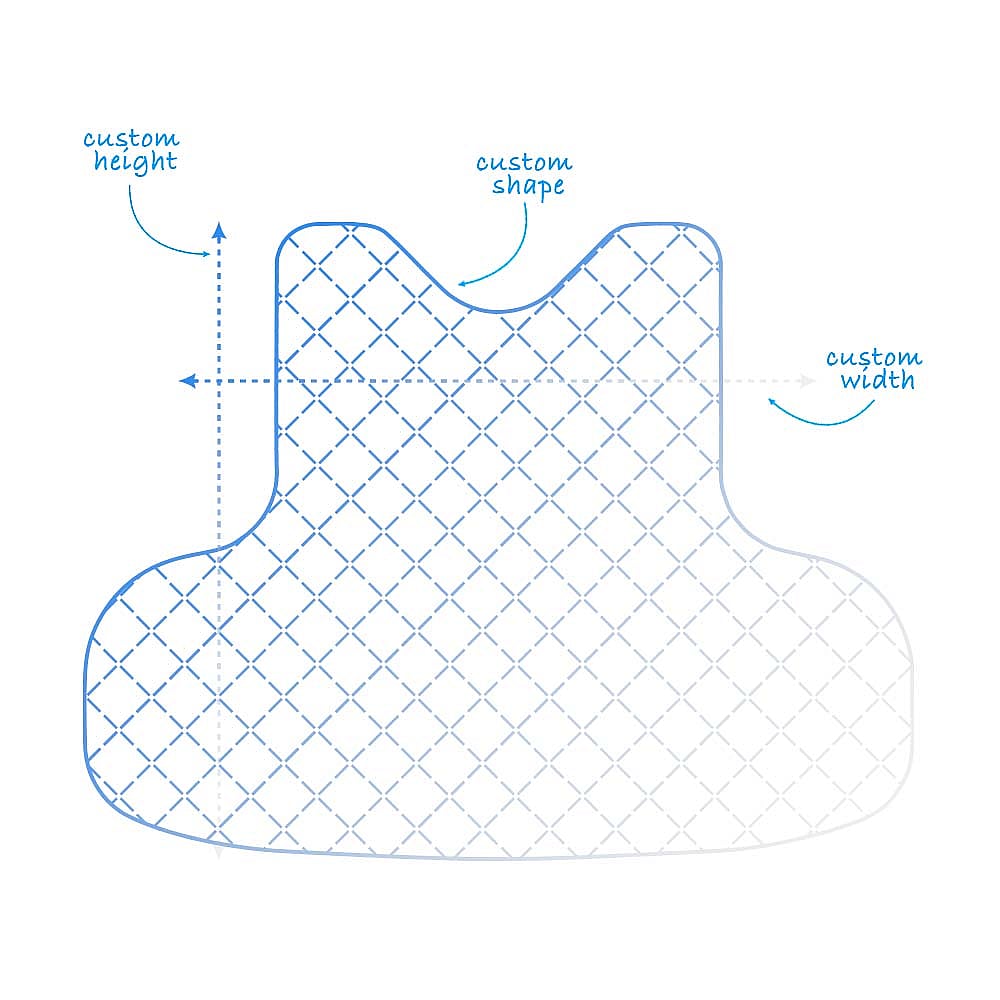
Custom Soft Armor: How to Get Inserts That Actually Fit Your Carrier
Most soft armor doesn't fit the carrier you actually own. Here's how our Custom Soft Armor program solves the fit problem and when to choose custom…