



Best Chest Rig: How to Pick the Right Rig for Your Role
The best chest rig is the one that matches your role, mag count, and platform. Here is how to pick between continuous, modular, split, and minimalist rig formats.
“Best chest rig” is one of the most-searched and least-useful queries in tactical gear. The honest answer is that the best chest rig is the one that matches your specific role, magazine platform, and intended use. A great rig for a SWAT entry team is wrong for a civilian truck setup. A perfect minimalist chest rig is wrong for a sustained-engagement rifle role. The framework matters more than the brand.
Here is the framework we use when customers ask which chest rig to buy.
Step 1: How Much Capacity Do You Actually Need?
The biggest mistake we see is over-rigging. Most civilian shooters do not need 6 rifle mags on their chest. A truck rig for civilian rifle response runs fine on 2-3 mags. A training rig for square-range work runs fine on 3-4. Sustained patrol or duty work calls for 4-6. Special operations and military infantry roles in active combat zones might justify more.
Be honest about your role. Buying a rig sized for SOCOM-level capacity when you are a civilian who shoots monthly results in a rig that sits in a closet because it is too bulky to wear casually.
Step 2: Continuous Panel Versus Modular Versus Split
Three rig formats. Each makes different tradeoffs.
Continuous Panel Rigs
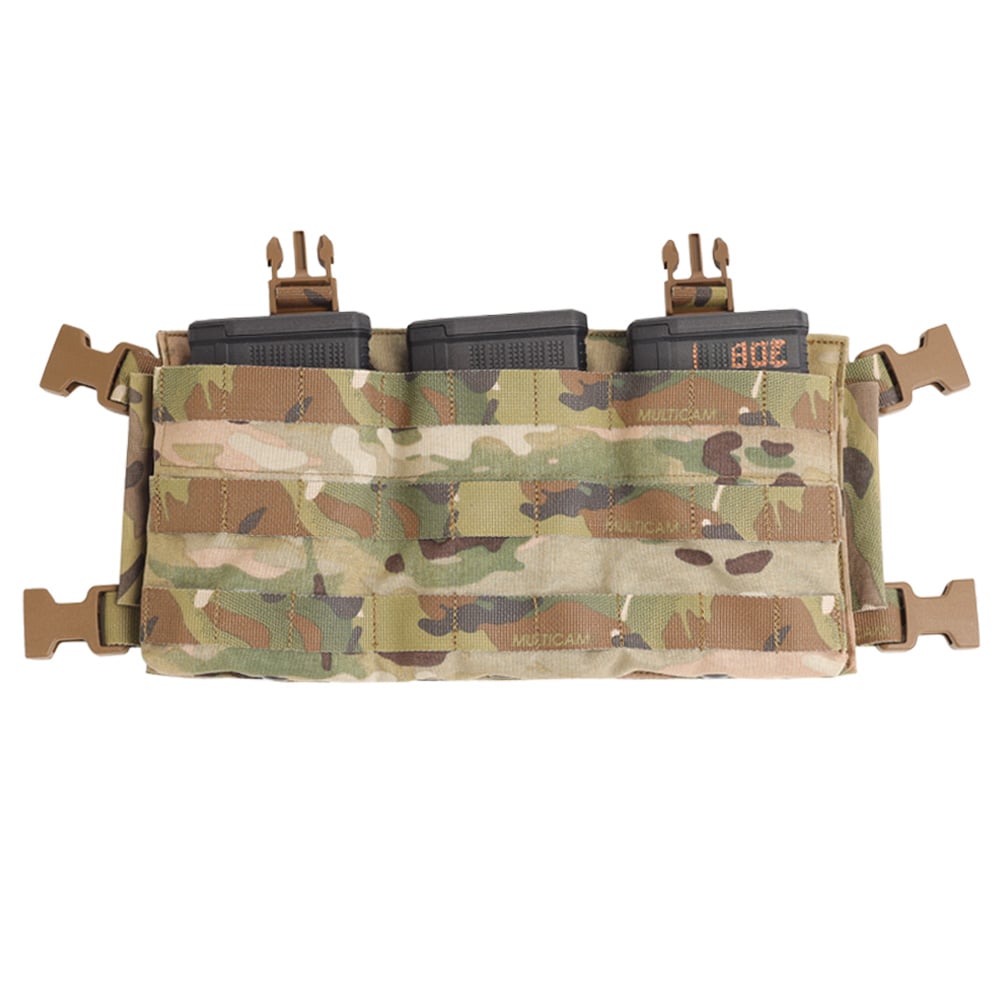
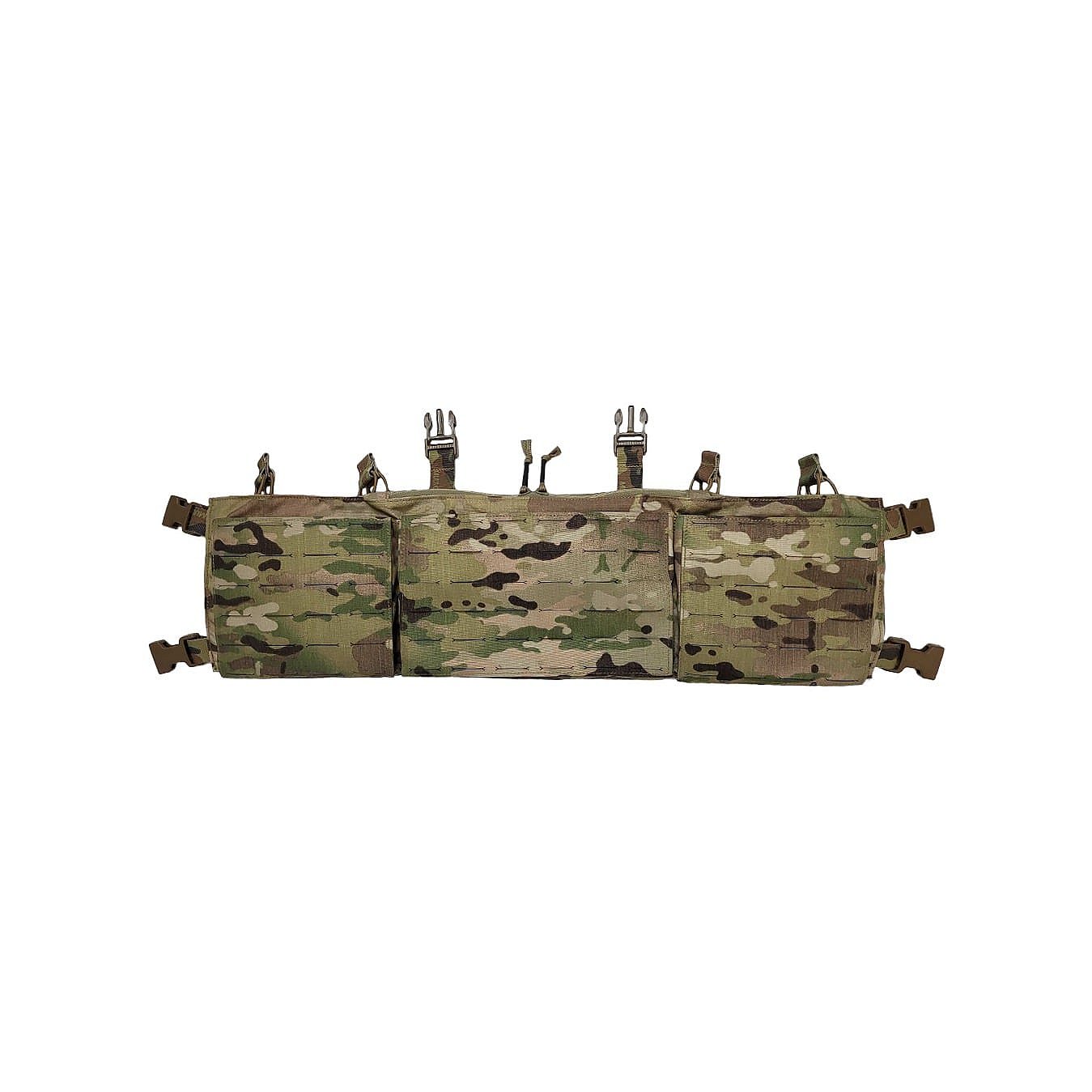
One panel across the chest, mag pouches sewn or laser-cut directly into the panel. Lightest, most rigid, fastest to don. The downside is fixed configuration; whatever capacity you bought is what you have.
Best for users with a single consistent loadout.
Modular MOLLE Rigs
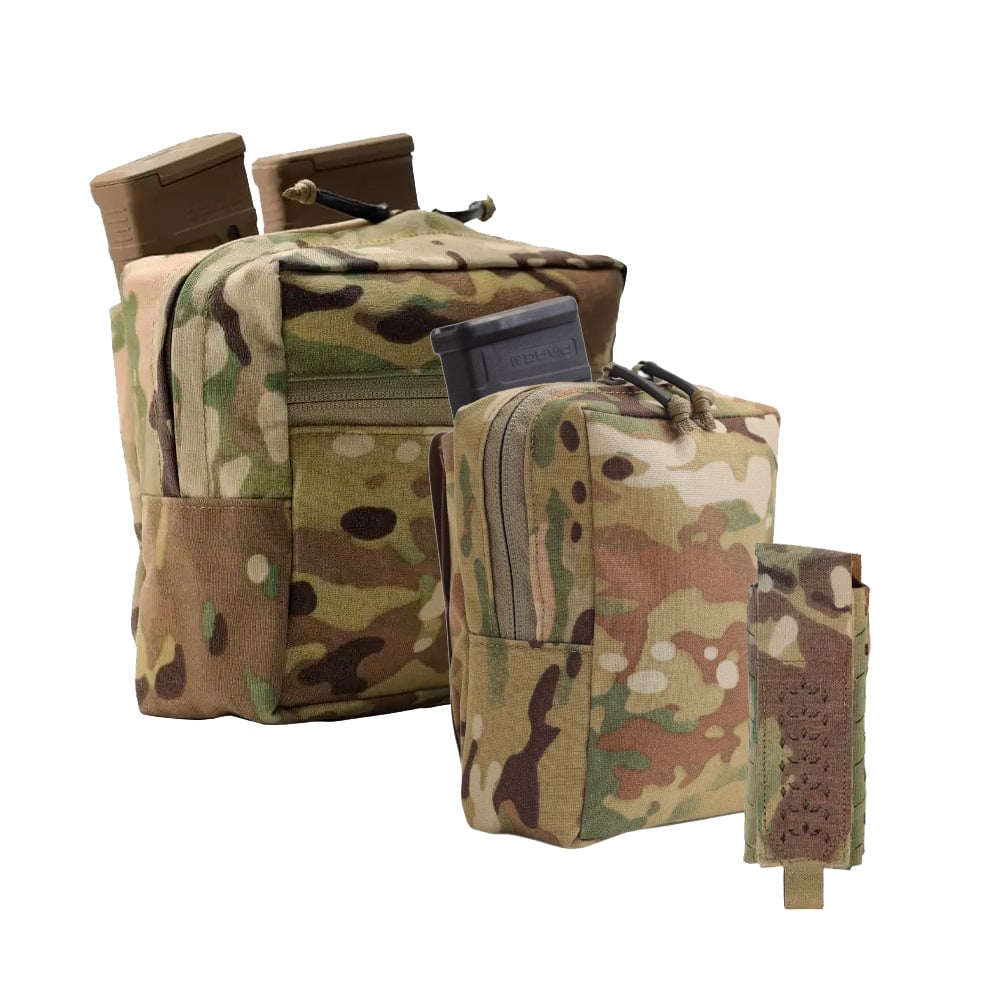
Open MOLLE panel that accepts any compatible MOLLE pouch. Maximum reconfigurability, highest accessory count, but slightly heavier and more complex than a continuous panel rig. Pouches need to be attached and removed, which takes time.
Best for users who change loadouts frequently or want to grow into the rig over time. The Hilo MOLLE Recon and Hilo MOLLE Runner are our modular options.
Split Rigs
Two-piece rigs that connect at the centerline. The advantage is donning over plate carriers or layered gear, and the ability to swap one half independently. The disadvantage is a small amount of additional weight and complexity.
Best for users who layer with plate carriers, run multiple mission profiles, or want one rig platform that adapts. The SRV Split Chest Rig is our split option. See our SRV review for more detail.
Step 3: Match the Mag Format to Your Rifle
5.56 STANAG mags need different pouches than 7.62 AR10 mags, which need different pouches than 7.62×39 AK mags. Generic mag pouches “work” with most magazines, but the fit is loose and the retention is unpredictable. Spec the rig around your actual rifle.
If you run AK platforms, see our AK chest rig guide for the platform-specific considerations.
Step 4: Plate Carrier Compatibility
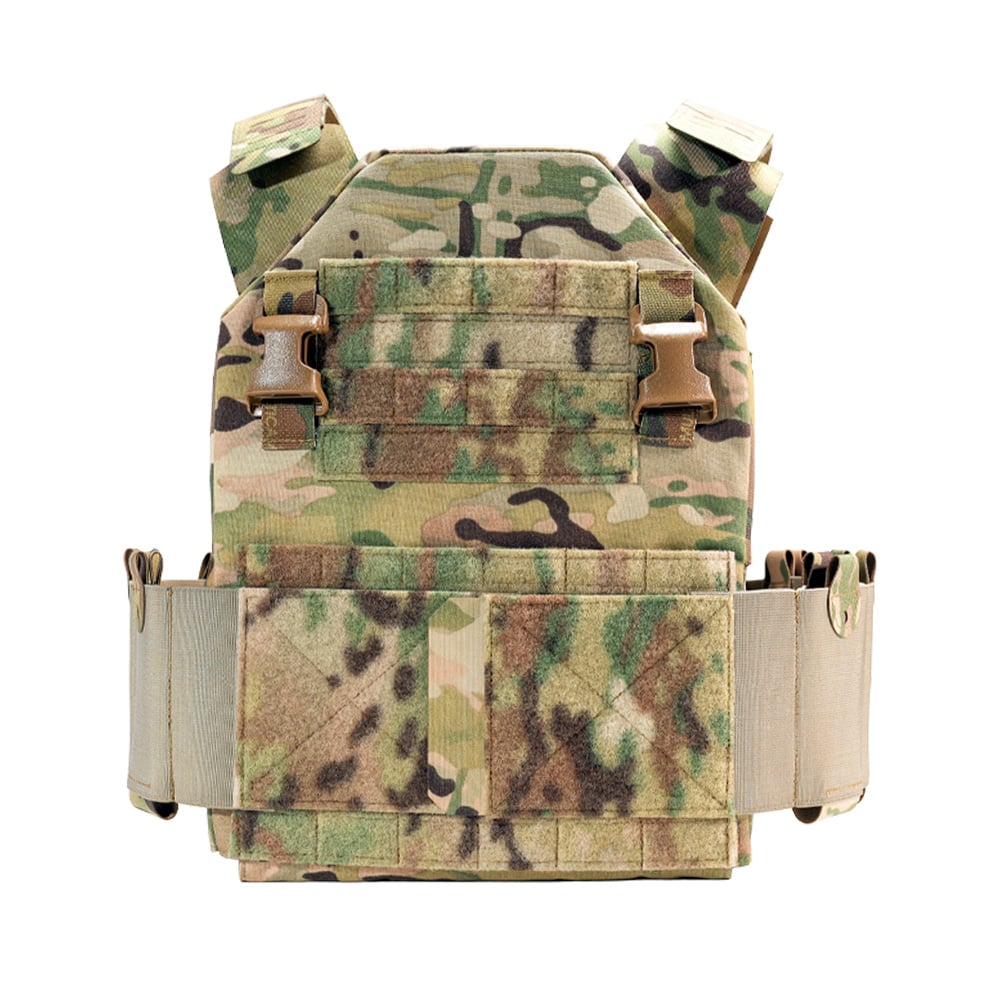
If you wear body armor, the chest rig sits over the plate carrier. This affects rig sizing because a plate carrier adds bulk under the rig. Continuous panel rigs can be tight over a fully loaded plate carrier; modular and split rigs are more accommodating.
The other option is a placard system: a chest rig front panel that attaches directly to a plate carrier rather than to a separate harness. Placards eliminate the harness layer entirely. We make a range of placards for users running plate carriers as the primary platform.
Our Recommendations by Use Case
Civilian truck rig / home defense rig: Hilo Runner or SRV Split with 2-3 rifle mag pouches and a TQ holder.
Training rig (square-range, weekend classes): Hilo Laser Recon V2 with 4 rifle mag pouches plus admin pouch.
Patrol / duty: Hilo MOLLE Recon with 4-6 rifle mag pouches, IFAK, admin, and TQ. The MOLLE format lets you adjust the loadout per shift.
Plain clothes / executive protection: Hilo Runner micro rig with 2 pistol mag pouches and a TQ. Disappears under a jacket.
Multiple mission profiles: SRV Split Chest Rig with multiple insert types (rifle mag insert, admin insert, medical insert) so you can reconfigure the rig in minutes.
For configuration details, sizing, and how rigs interact with the rest of your loadout, see our complete chest rig guide.
Ops-Core FAST SF Gen II Guide: Sizing, Weight, Protection and Setup
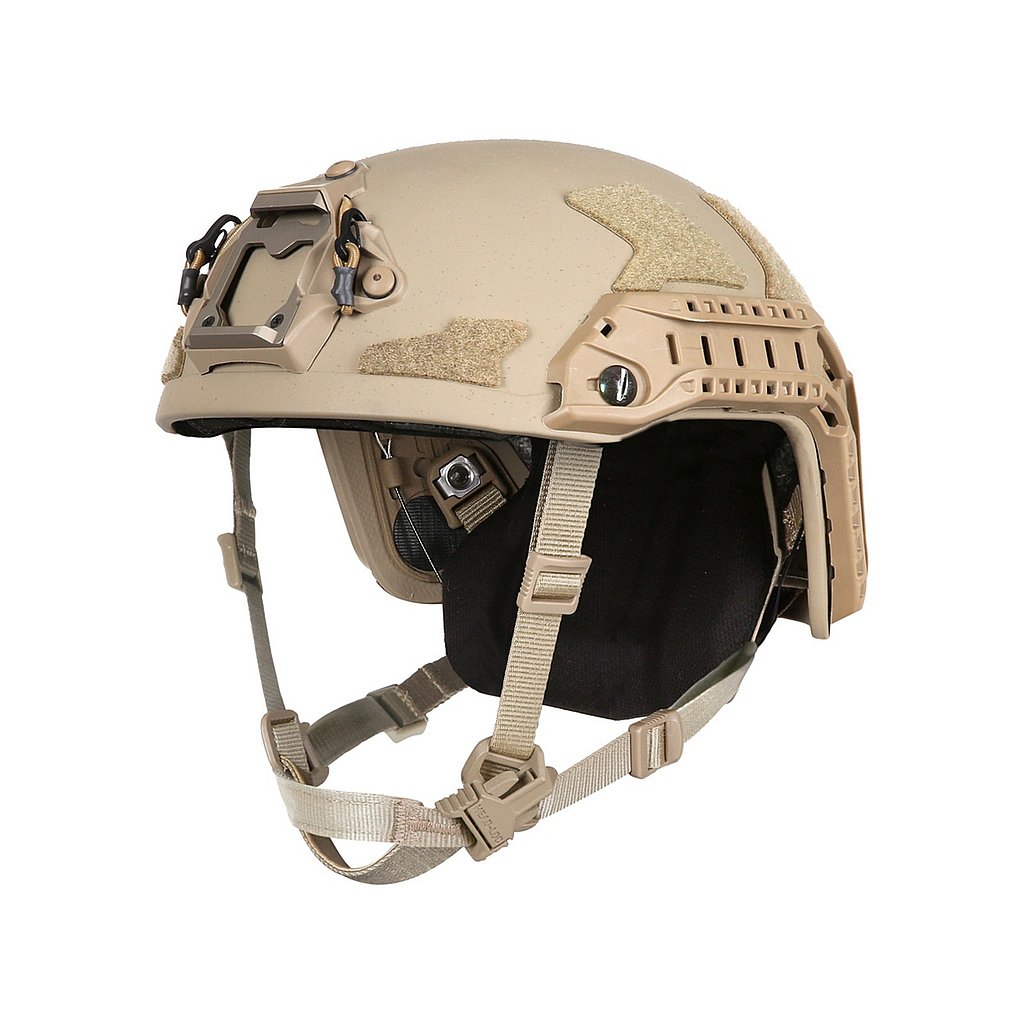
Ops-Core makes the FAST helmet, the high cut design most of the market has copied since. Ops-Core is part of Gentex Corporation, and its helmets are…
Ops-Core FAST SF Gen II vs PGD ARCH GEN3: Which High Cut Helmet to Buy
We carry two high cut ballistic helmets: the Ops-Core FAST SF Gen II and the PGD ARCH GEN3. Both are rated NIJ Level IIIA, both have…
Custom Soft Armor: How to Get Inserts That Actually Fit Your Carrier
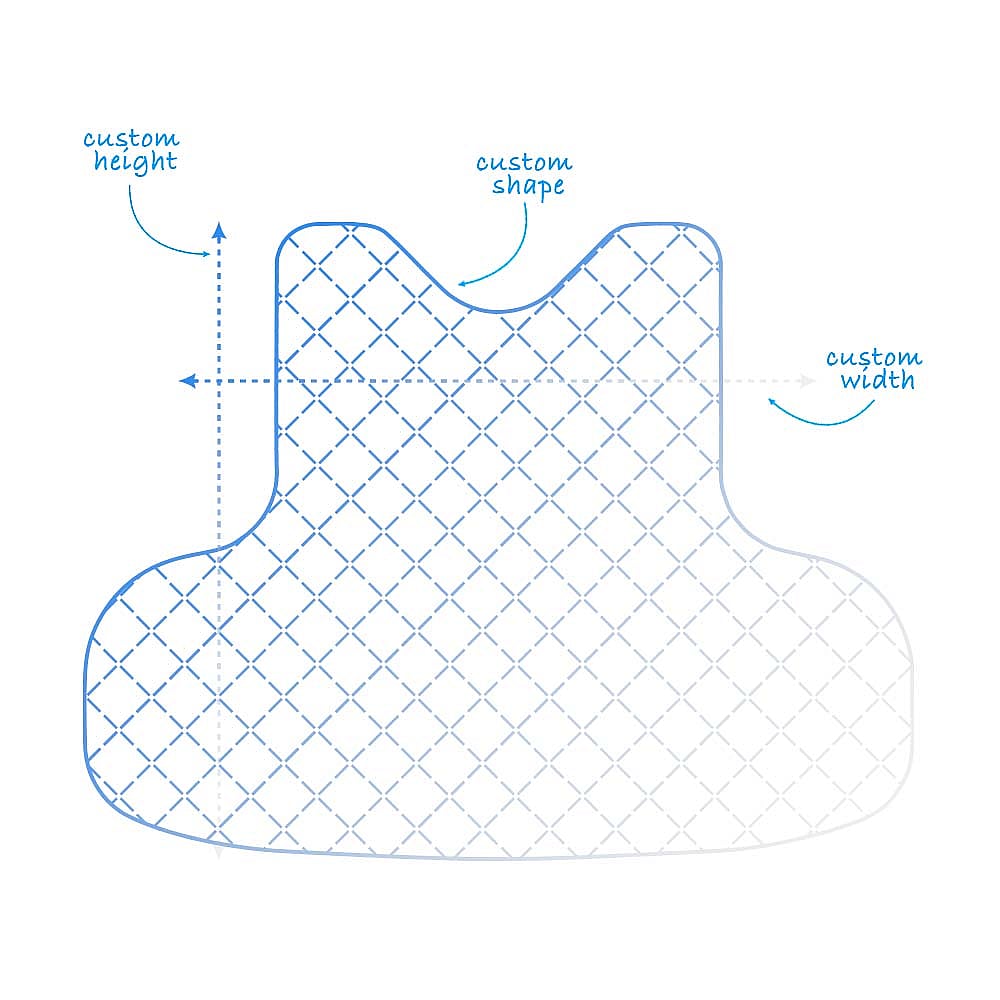
Most soft armor doesn't fit the carrier you actually own. Here's how our Custom Soft Armor program solves the fit problem and when to choose custom…