

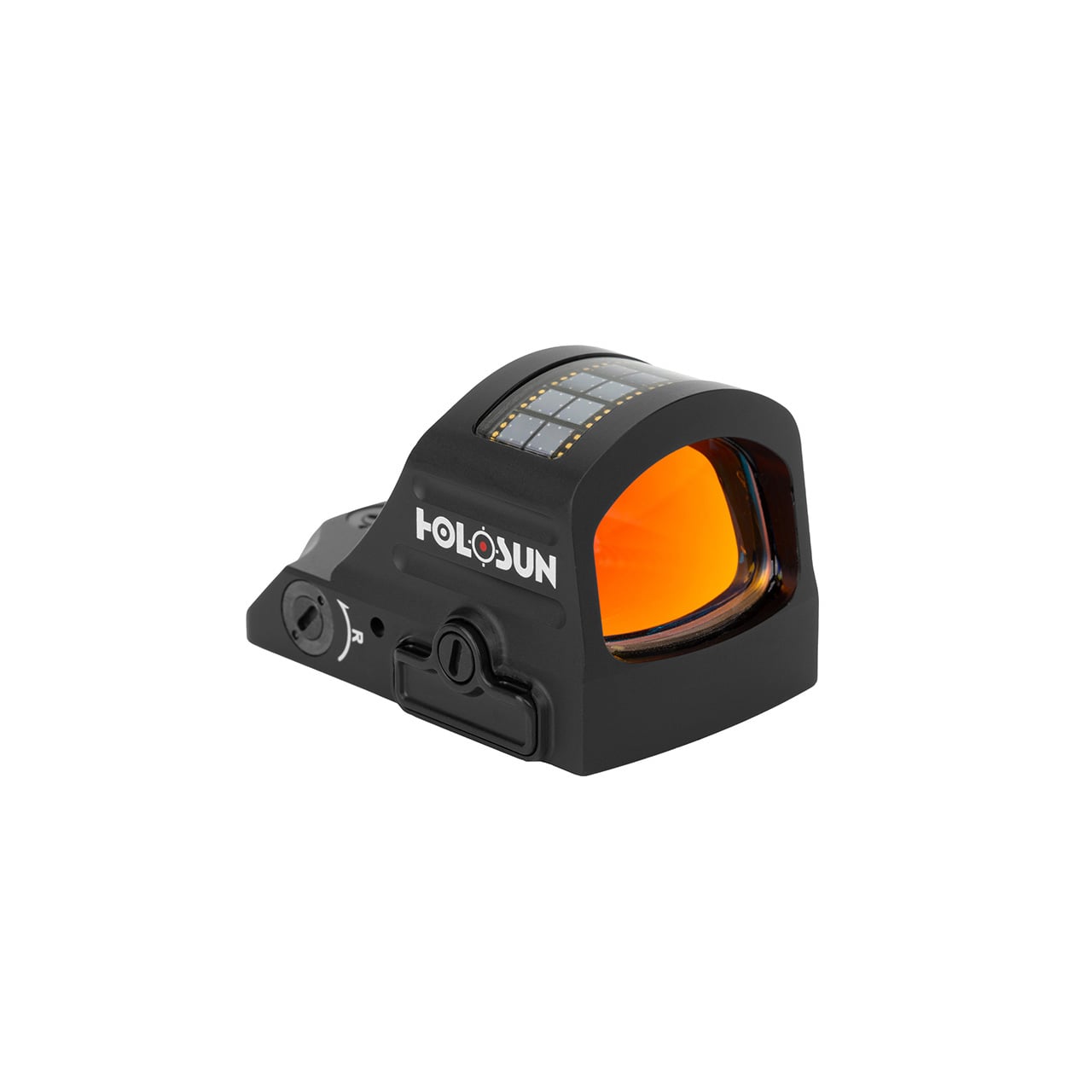


Layering a Chest Rig Over a Plate Carrier: When and How
Layering a chest rig over a plate carrier gives you ballistic protection plus high-capacity gear carriage. The SRV Split Chest Rig is purpose-built for this layered use case.
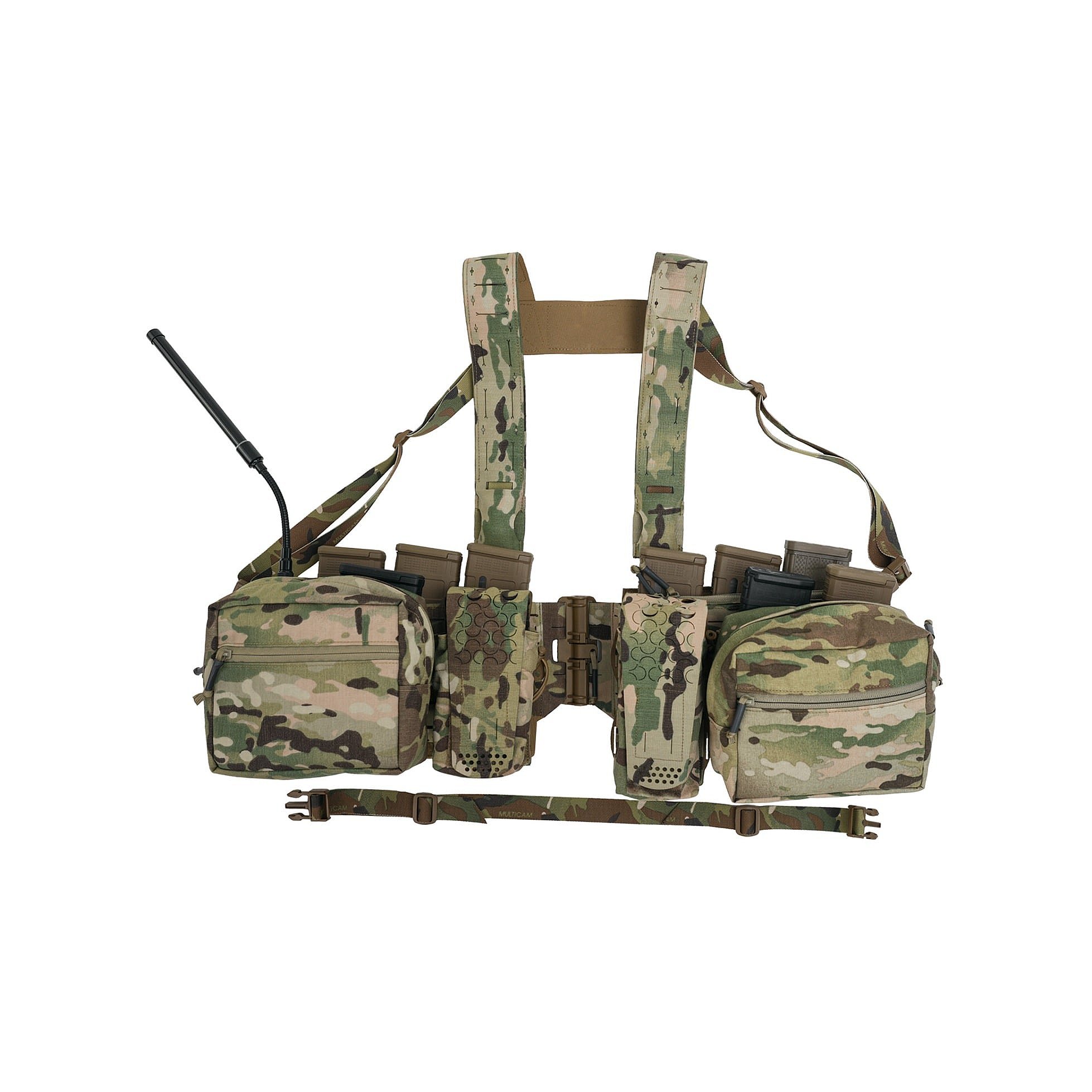
Layering a chest rig over a plate carrier is a common pattern in special operations, federal law enforcement, and serious tactical work. The plate carrier handles ballistic protection underneath. The chest rig adds modular ammunition and gear capacity on top. The combination gives you full armor coverage plus the higher-capacity loadout that chest rigs are good at, in a system that is easier to manage than trying to load six rifle mags directly onto a plate carrier.
This guide covers when layering makes sense, how to do it without making the system unworkable, and why the SRV Split Chest Rig was designed specifically with this layered configuration in mind.
When Layering Makes Sense
Layering a chest rig over a plate carrier is not the right answer for every loadout. It adds bulk, weight, and complexity. The use cases where the layered approach earns its place:
- Special operations and tier-one tactical units: armored chest plate plus a full chest rig of mags, IFAK, comms gear is the standard SOCOM loadout pattern. Sustained engagements require both protection and high capacity.
- Federal law enforcement on extended operations: FBI HRT, US Marshals SOG, and similar federal teams running long operations layer for the same reason — armor underneath, gear on top.
- SWAT and tactical teams running mag-heavy loadouts: 6+ rifle magazines plus admin and medical gear gets unwieldy on a plate carrier alone. The chest rig adds a dedicated platform for the gear without overloading the carrier.
- Plain-clothes federal agents transitioning to active mode: low-profile carrier worn under clothing, with a chest rig added when the situation goes hot.
- Trainers running long classes: a chest rig is faster to don and doff between drills than rebuilding a plate carrier loadout.
Most civilian buyers do not need the layered configuration. A plate carrier alone with 3-4 mags and an IFAK handles the realistic civilian rifle response scenario. Layering becomes the right answer when capacity, sustained use, or operational pace exceeds what a plate carrier alone can carry.
The Don/Doff Problem
The biggest practical issue with layering a chest rig over a plate carrier is putting the rig on. A traditional continuous-panel chest rig has to come over your head and seat correctly across whatever you are wearing underneath. With a plate carrier already on, this is awkward: the rig fights the cummerbund, the harness has to clear the carrier shoulders, and getting the rig seated takes longer under pressure than it should.
This is why split-front chest rigs exist. A split chest rig connects at the centerline AFTER the rig is on your body, so you can put the plate carrier on first, then connect the chest rig halves around it without fighting both pieces of gear together.
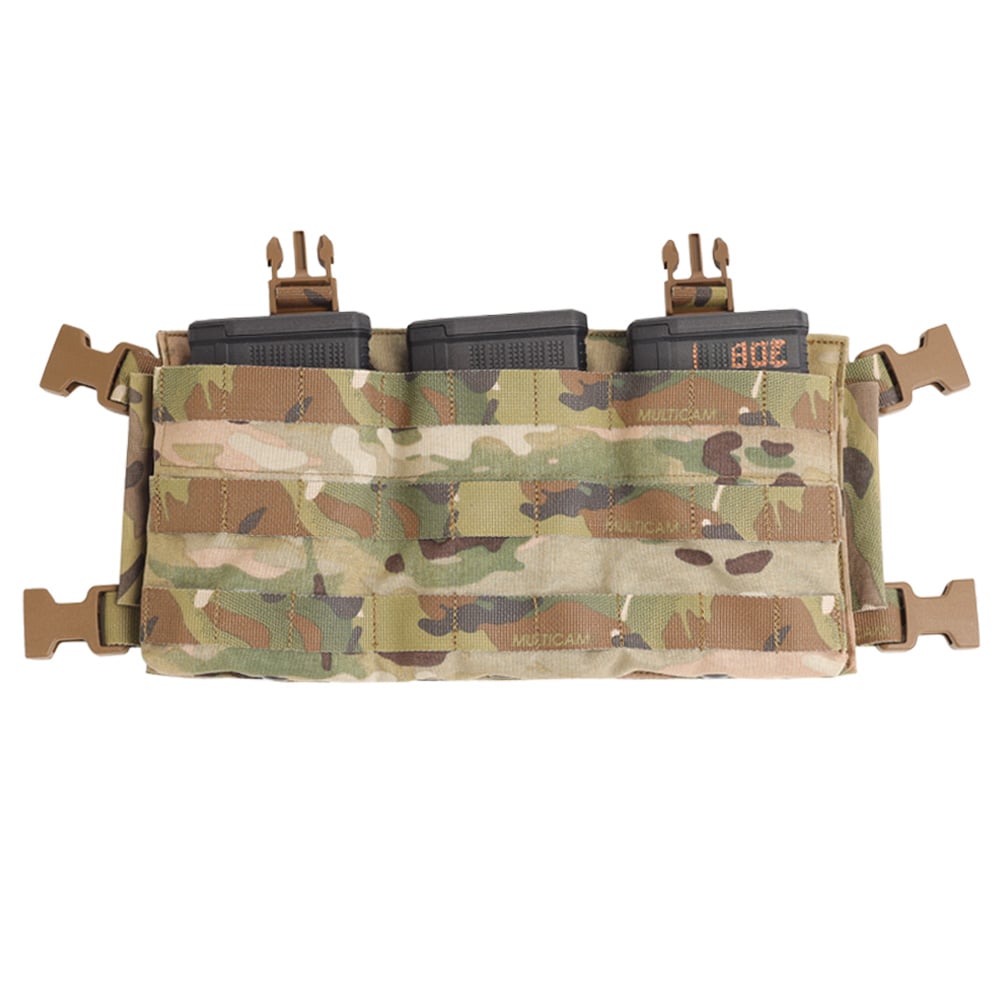
The SRV Split Chest Rig Bundle is purpose-built for this layered use case. The two SRV panels connect at the centerline with quick-release buckles, the harness sits naturally over a plate carrier, and the don/doff process matches how a battle belt connects: clip the buckle, secure, ready. This is the SRV’s hidden advantage that does not show up in a product photo.
How to Build a Layered Loadout
Layer 1: The Plate Carrier
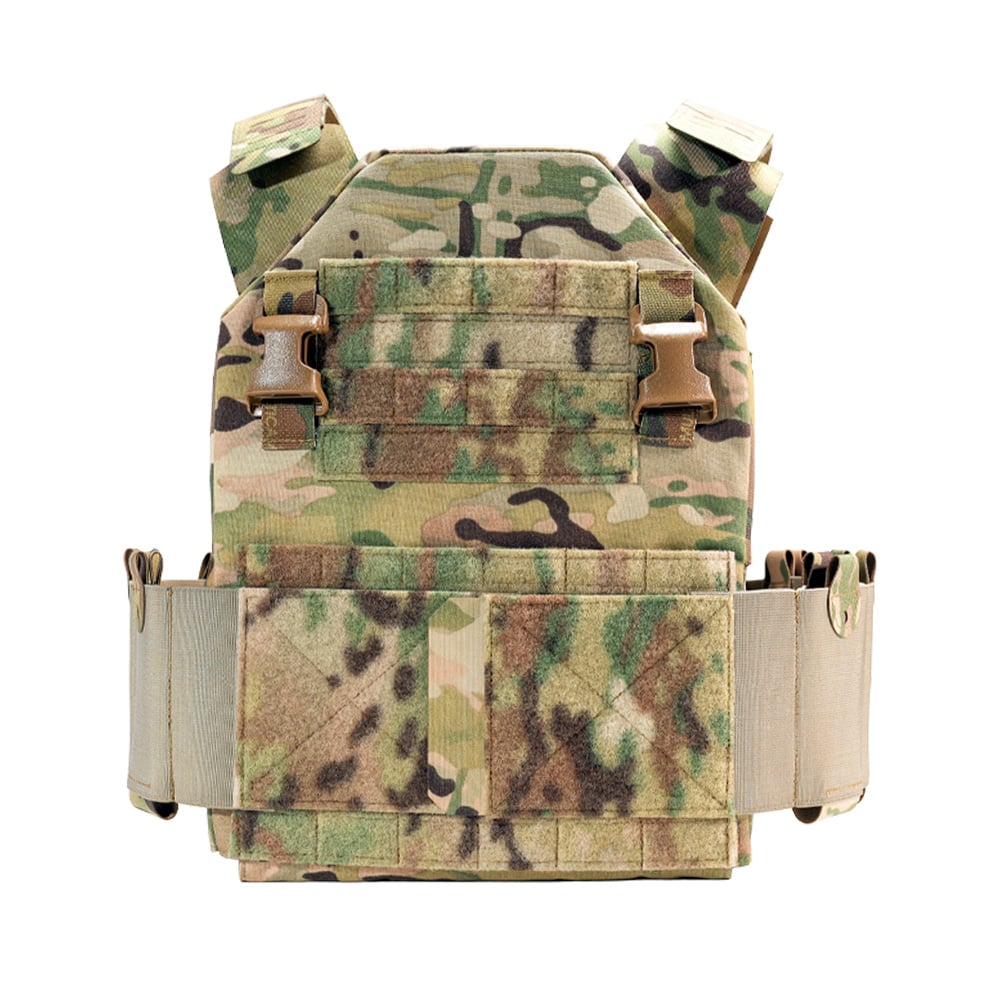
The carrier handles armor and one or two essential items: the carrier itself, hard plates, optional soft armor backers, and an IFAK on the back of the cummerbund where it stays accessible to a partner. Keep the front of the carrier clean. The chest rig will live on top, and you do not want overlapping mag pouches or gear competing for the same real estate.
For most layered builds, a slick or minimal-front plate carrier works better than a fully-loaded one. The carrier provides protection; the rig provides capacity.
Layer 2: The Chest Rig
The chest rig sits on top of the plate carrier and carries the bulk of the rifle magazines, admin gear, and any additional medical capacity. The SRV Split Chest Rig Bundle ships configured for 10-14 rifle magazines depending on configuration, with two BKQT pouches that handle radio comms, secondary mag carriage, or admin gear.
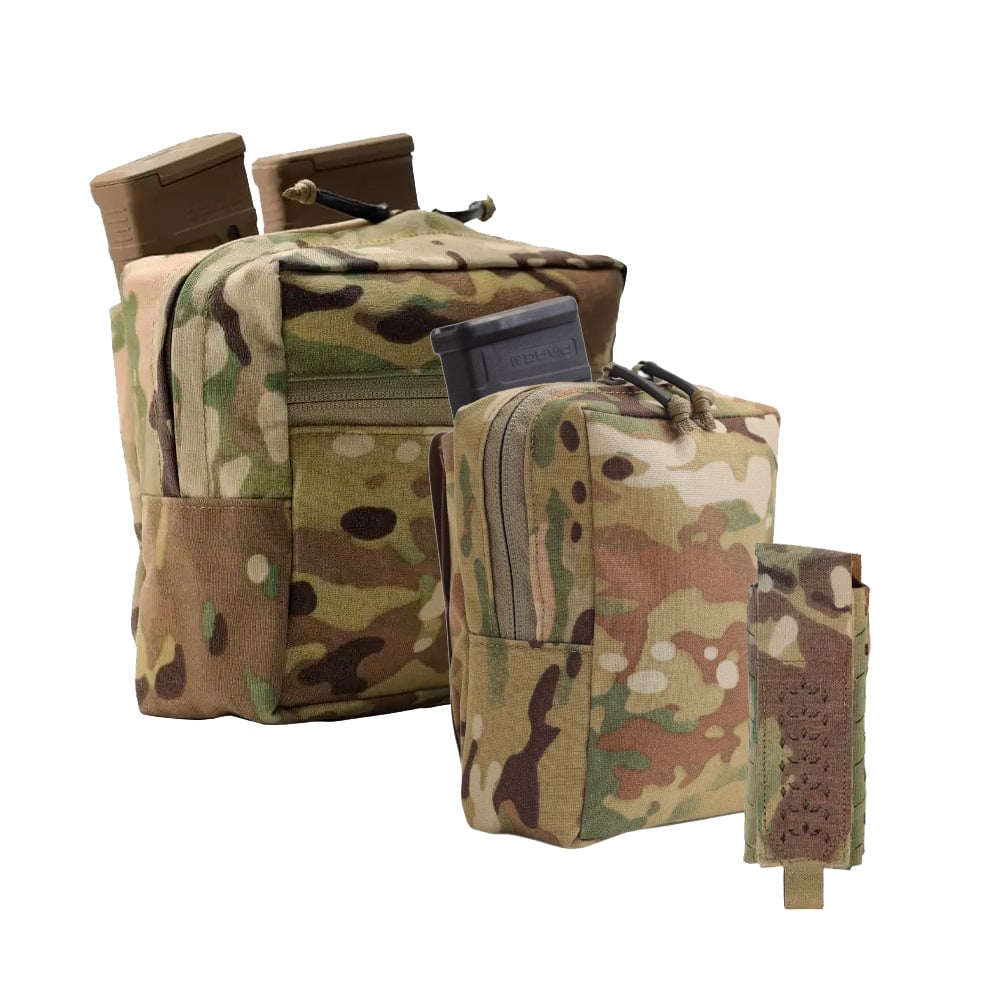
The Bundle includes the SRV Split Chest Rig (2 panels + buckles), back Velcro cover, two 5.56 triple elastic inserts, the Laser Harness, the Back Strap, the SRV Zip Insert Pouch for internal admin or medical storage, two BKQT Pouches, two Recon rifle mag flaps, and two GP Double Mag Zipper pouches. This is the complete chest rig system in one purchase.
Layer 3: Battle Belt (Optional)
Some operators run a battle belt as a third layer beneath the chest rig and plate carrier. The battle belt holds the pistol holster, dump pouch, and additional pistol or rifle magazines. This is the maximum-capacity configuration and is most common in SOCOM and federal tactical roles.
For most layered builds, two layers (carrier + chest rig) is enough. Three layers gets unwieldy fast.
Common Layered Loadouts
Tactical Sustained Engagement
- Plate carrier (Sentry, Lancer, AMP, or Leap) with Level 3+ or Level 4 plates
- SRV Split Chest Rig Bundle on top
- 6 rifle mags across the SRV mag inserts
- 1-2 BKQT pouches configured for comms or admin
- IFAK on plate carrier kidney area
- Tourniquet holder accessible
Total weight roughly 22-28 lb. Configured for sustained operational pace.
Federal Plain-Clothes to Active Transition
- Concealed plate carrier under civilian clothing (worn all shift)
- SRV Split Chest Rig in vehicle or quick-access bag, donned over carrier when going active
- 4-5 rifle mags configured on the SRV
- IFAK and tourniquet integrated into the chest rig configuration
Total deployment time from concealed-passive to active-tactical: 30-45 seconds. The split design makes this transition feasible where a continuous-front rig would not.
Long-Class Training
- Plate carrier with training plates (steel or polymer dummy plates, not live armor)
- SRV Split Chest Rig swapped between drills as configurations change
- Mag inserts swapped between drills (rifle mags for shooting drills, admin inserts for tactical exercises)
The training use case is where the SRV’s swap-out speed pays for itself across a multi-day class.
When NOT to Layer
- Civilian truck rig / home defense: a plate carrier alone with 2-3 mags and an IFAK is sufficient. Adding a chest rig on top adds bulk for capacity you will not use.
- Concealed daily wear: a chest rig on top defeats the concealed-wear premise. Use a concealed carrier alone.
- Range training without ballistic threats: a chest rig alone is lighter, cooler, and easier to manage. Skip the plate carrier when armor is not needed.
- Hot environments where heat exhaustion is a real risk: layered systems trap significant body heat against the chest. For prolonged outdoor work in summer, the layered configuration is harder to wear.
Bottom Line
Layering a chest rig over a plate carrier is the right answer when your loadout requires more than a plate carrier alone can carry comfortably. For tactical, federal LEO, special operations, and serious training use, the layered configuration is standard. For most civilian use, a plate carrier alone is sufficient.
If you are committed to the layered approach, the SRV Split Chest Rig Bundle is purpose-built for this use case. The split-front design solves the don/doff problem that traditional chest rigs create when worn over a plate carrier.
For deeper detail, see our complete chest rigs guide, complete plate carriers guide, and our SRV Split Chest Rig review.
FAQ
Yes, this is a standard pattern in special operations and tactical work. The plate carrier provides ballistic protection underneath, and the chest rig provides high-capacity gear carriage on top. Split-front chest rigs like the SRV are easier to don and doff in this layered configuration than continuous-front rigs.
For loadouts of 4 or fewer rifle mags, plate carrier mag pouches are simpler and lower-bulk. For loadouts of 6+ mags plus admin and medical gear, dedicated chest rigs handle the capacity better and don’t make the carrier itself unmanageable. The chest rig also lets you swap configurations without rebuilding the carrier.
Yes. The split-front design lets the rig connect at the centerline AFTER you’ve put the plate carrier on, so you don’t have to fight the rig over your head and the carrier together. This is the SRV’s defining advantage for layered use cases.
A plate carrier with Level 4 plates runs 12-15 lb. A fully-loaded SRV Split Chest Rig Bundle adds another 10-14 lb depending on mag count. Total layered weight: 22-28 lb. This is a serious load that requires conditioning to wear sustained.
Most chest rigs technically fit, but continuous-front rigs are difficult to don and doff over a plate carrier. Split-front rigs like the SRV are purpose-built for the layered use case. If you are committed to the layered configuration, the split-rig design is worth the small premium.
Optional. SOCOM and federal tactical operators often run carrier + chest rig + battle belt as a three-layer system, holding pistol, dump pouch, and additional capacity on the belt. For most civilian and LEO buyers, two layers (carrier + chest rig) is sufficient.
For most civilian use cases, yes. A plate carrier alone with 3-4 mags handles the realistic civilian rifle response scenario. Layering is right when your loadout exceeds what the carrier alone can carry comfortably, which is rare in pure civilian contexts.
The SRV Split Chest Rig Bundle is a complete chest rig system at $399.50, including the two SRV panels with buckles, back Velcro cover, two 5.56 triple elastic inserts, Laser Harness, Back Strap, SRV Zip Insert Pouch, two BKQT Pouches, two Recon rifle mag flaps, and two GP Double Mag Zipper pouches. Configured for 10-14 rifle magazines.
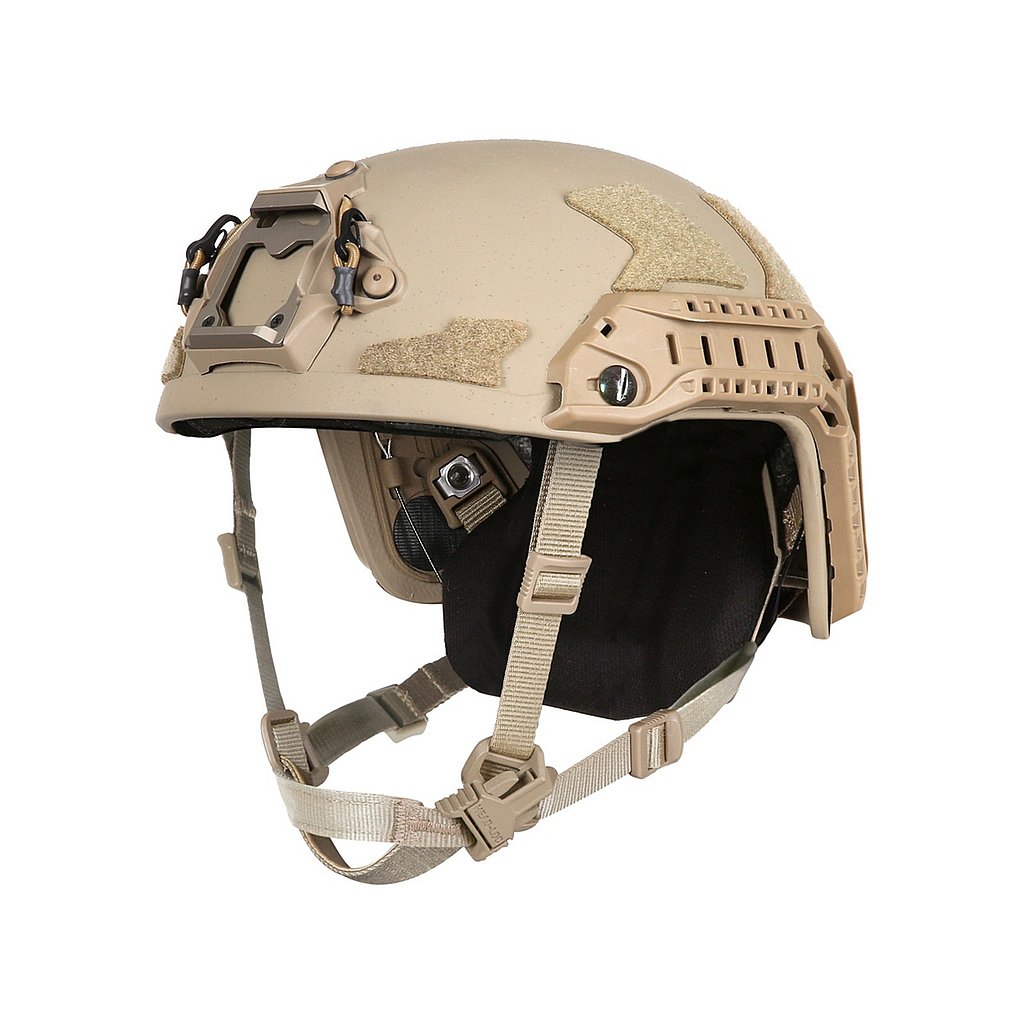
Ops-Core FAST SF Gen II Guide: Sizing, Weight, Protection and Setup
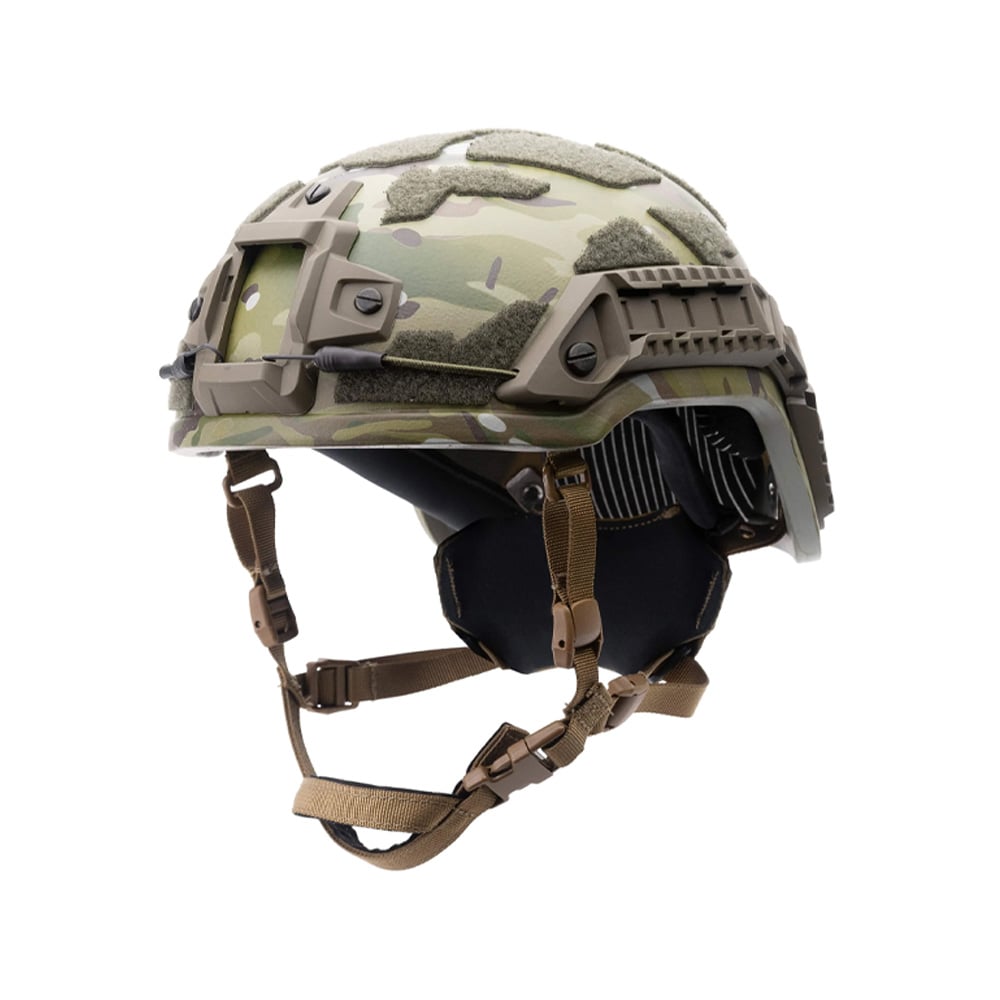
Ops-Core makes the FAST helmet, the high cut design most of the market has copied since. Ops-Core is part of Gentex Corporation, and its helmets are…
Ops-Core FAST SF Gen II vs PGD ARCH GEN3: Which High Cut Helmet to Buy
We carry two high cut ballistic helmets: the Ops-Core FAST SF Gen II and the PGD ARCH GEN3. Both are rated NIJ Level IIIA, both have…
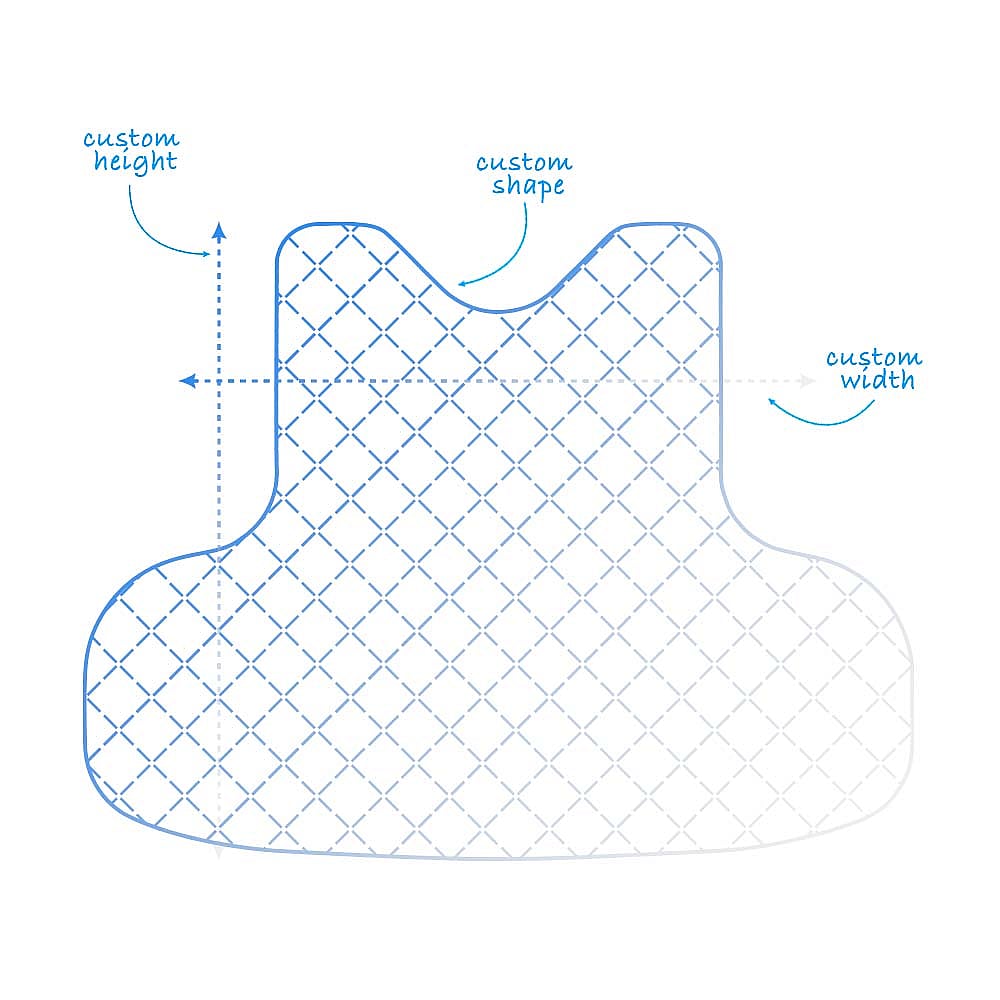
Custom Soft Armor: How to Get Inserts That Actually Fit Your Carrier
Most soft armor doesn't fit the carrier you actually own. Here's how our Custom Soft Armor program solves the fit problem and when to choose custom…