



Does Body Armor Expire? Soft Armor Shelf Life and When to Replace
Soft armor labels show expiration dates, but what the date actually means is a manufacturer warranty boundary, not a cliff edge. How aramid and UHMWPE degrade, what accelerates wear, how to inspect, and when to replace.
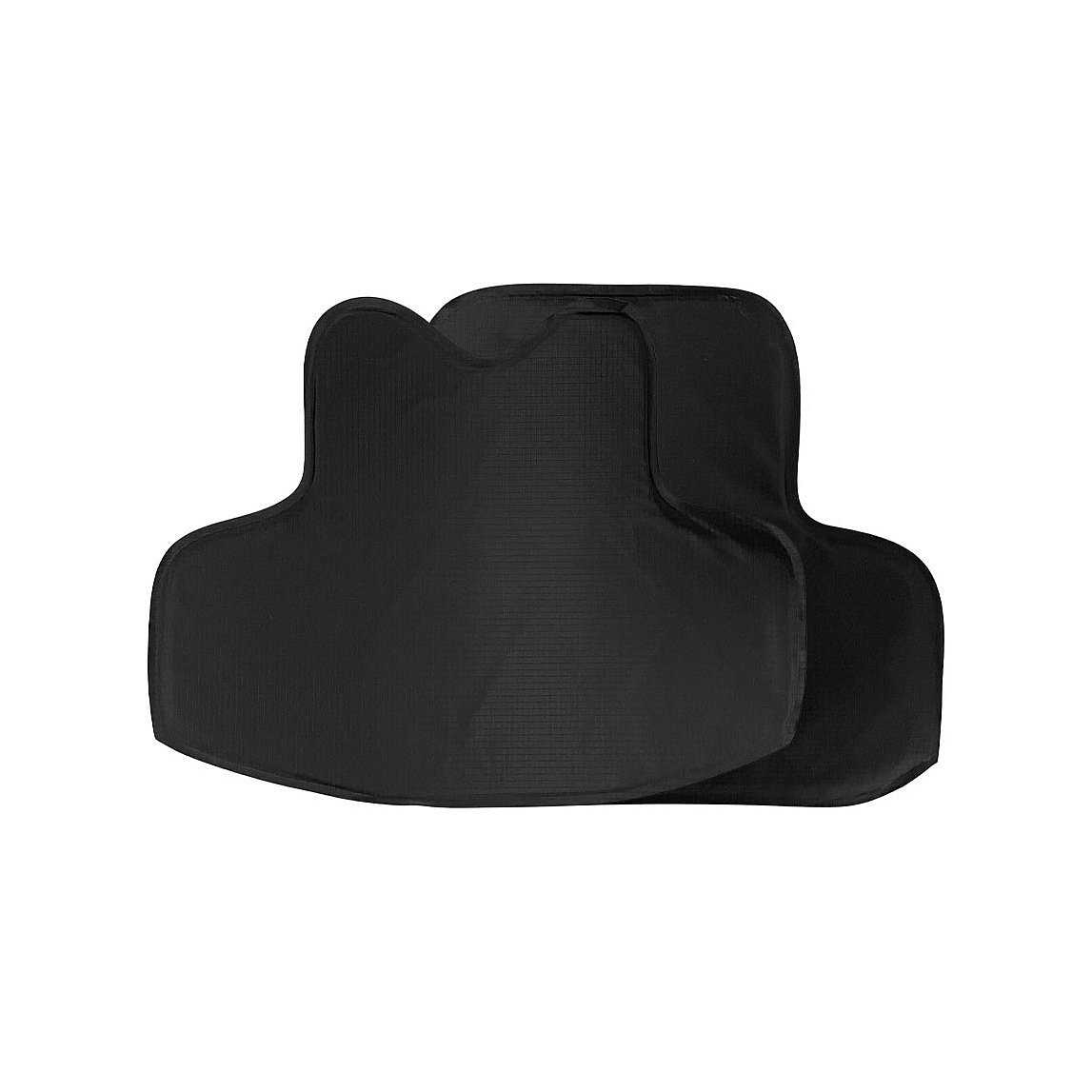
Every soft armor panel has an expiration date printed on the label. Five years from manufacture is standard. Some manufacturers rate their panels for seven years, a few push ten. The date is usually printed in large type with some combination of “Expires” or “Do Not Use After.” If you have ever looked at the label, you have probably wondered what the date actually means.
Here is the honest answer: the expiration date is a manufacturer’s warranty boundary, not a cliff edge. Your soft armor does not stop working the day after it expires. The materials do degrade over time, but the rate depends heavily on how the armor was stored and used. Understanding the difference between “past the warranty date” and “actually degraded” matters, because replacing armor that is still fine is wasted money, and trusting armor that is actually degraded is dangerous.
Why Soft Armor Has an Expiration Date at All
Soft armor is built from woven or laminated ballistic fibers. The most common fibers are aramids (Kevlar, Twaron) and ultra-high-molecular-weight polyethylene (UHMWPE, sold under brands like Dyneema and Spectra). Both materials are designed to absorb and distribute the kinetic energy of a bullet through a combination of fiber strength and controlled deformation.
Both materials also degrade over time, though through different mechanisms.
Aramid fibers (Kevlar, Twaron) are sensitive to ultraviolet light, moisture, and heat. UV exposure breaks down the polymer chains that give the fiber its strength. Moisture can cause the fibers to swell, lose ballistic performance, and potentially mildew if the cover is compromised. Sustained high heat accelerates chemical degradation.
UHMWPE fibers (Dyneema, Spectra) are less sensitive to UV and moisture but more sensitive to heat. At temperatures above roughly 180°F, UHMWPE begins to lose tensile strength. A vehicle interior on a hot day can exceed that threshold, especially over sustained exposure. UHMWPE also has a longer expected shelf life in ideal storage conditions, often 7-10 years versus 5 years for aramids.
The expiration date on the label reflects the manufacturer’s conservative estimate of when, under normal wear conditions, the armor can no longer be guaranteed to perform to its original certification level. It builds in a margin for average exposure to heat, UV, moisture, and mechanical wear. It is not a precise measurement of when the panel fails; it is a warranty boundary.
What the Date Actually Certifies
The expiration date certifies two things. First, the manufacturer warrants that the panel will meet its rated performance (Level IIA, II, IIIA) through the stated date when stored and worn under normal conditions. Second, after that date, the manufacturer no longer warrants the panel’s performance.
What it does not certify:
- That the panel will fail on that date
- That the panel will perform at full capacity up until that date regardless of conditions
- That the panel’s real-world performance tracks linearly with calendar time
The actual performance curve depends on storage and use. A panel that has lived in a climate-controlled office drawer for five years, never worn, may still test to original spec. A panel that has been worn daily in a hot vehicle and exposed to sunlight through a window may be significantly degraded at three years. The label cannot know which panel you own.
What Degrades Soft Armor Faster
The conditions that accelerate degradation are well-documented.
Heat
The biggest single accelerator. Vehicle interiors in summer can exceed 140°F on sunny days. Attics, sheds, and garages without climate control regularly cycle through temperature extremes. Armor stored in these conditions degrades faster than the expiration date assumes.
Rule: if you would not store food in it, do not store soft armor in it. Closet temperature is fine. Vehicle trunk temperature in August is not.
Moisture
Most soft armor panels are sealed inside a waterproof cover, usually a polyurethane or similar moisture barrier. That cover is designed to keep external moisture out during normal wear. If the cover is damaged, moisture can reach the ballistic fibers.
Sources of moisture exposure: sustained rain wear without cover maintenance, submersion (anything worse than a shower splash), washing the panel in water, prolonged high humidity in storage, or cover damage from abrasion or impact.
Inspection: check the cover seam stitching and seal integrity every quarter. A compromised cover means the panel inside is no longer protected from ambient moisture, and degradation accelerates meaningfully.
Ultraviolet Light
UV degrades aramid fibers faster than most wearers realize. Direct sunlight for even a few hours per day, over years, accumulates. The cover protects against incidental UV exposure, but if you routinely wear armor in direct sun or store it near a window, you are aging it faster than the date suggests.
UHMWPE is more UV-tolerant than aramid but still degrades over long exposure. Neither material is bulletproof against years of direct sunlight.
Folding and Flexing
Soft armor panels are designed to flex with body movement. They are not designed to be folded sharply, stored bent, or flexed along the same crease line repeatedly. Sustained folding damages the fiber matrix at the crease, creating a weak point that may not show externally.
Store soft armor flat when not in use. If the panel is in a carrier, store the carrier hanging or laid flat, not crammed into a drawer. Pulling panels out regularly for inspection also gives them a chance to relax into their natural shape.
Chemical Exposure
Solvents, cleaning chemicals, pesticides, and petroleum products can degrade both the cover material and the ballistic fibers. If you work in an environment with regular chemical exposure, factor that into your replacement schedule. The expiration date does not assume you are spraying the panel with brake cleaner.
How to Inspect Soft Armor
You cannot fully assess a panel without ballistic testing, which destroys it. But a basic inspection routine catches obvious problems before they become failures.
Monthly Visual Check
Pull the panel out of its carrier. Look at the cover from both sides. You are looking for:
- Cover damage: cuts, abrasions, worn spots, stitching failures at the seams
- Moisture intrusion: water stains, mildew spots, discoloration patterns, or any sign of wet fibers inside a damaged cover
- Shape deformation: permanent creases, lumps, flat spots, or areas where the panel feels stiffer or softer than the rest
- Label condition: manufacture and expiration dates readable, serial number intact
Feel Test
Flex the panel across its length and width. A panel in good condition flexes smoothly and consistently. Stiff spots, cracking sounds, or areas that resist flexing are warning signs. Aramid panels tend to get stiffer as they age (the fibers lose some flexibility). UHMWPE panels tend to maintain flexibility longer but can develop localized stiffness at heat-exposed areas.
Delamination Check
This is the most serious warning sign. Delamination is when the layers of ballistic material inside the panel start to separate from each other. You may see:
- Bubbling or lumps under the cover
- Areas that feel softer or more pliable than the rest of the panel
- Visible layer separation through a translucent cover
- The panel’s shape no longer holds consistently
A panel with visible delamination is not safe to rely on. The ballistic performance depends on those layers working together. Once they have separated, the panel’s ability to catch and distribute bullet energy is compromised in ways you cannot measure without destroying the panel.
When to Replace Before the Date
If any of these conditions apply, replace before the expiration date:
- Visible delamination anywhere on the panel
- Cover damage that has let moisture reach the fibers
- Known heat exposure events (panel left in a hot vehicle, attic storage)
- Known submersion or sustained moisture exposure
- Sharp folding or permanent creasing along the fiber direction
- Visible chemical damage to the cover or visible fiber damage where the cover is compromised
- Any ballistic impact to the panel (even if it was caught successfully; tested panels are single-use at that impact point)
When to Trust a Panel Past Its Date
This is where we have to be careful. We do not recommend relying on expired armor as your primary protection. But the reality is that a panel in excellent storage condition, visually intact, from a reputable manufacturer, a year or two past its expiration date, is not automatically unsafe. The warranty has lapsed, not the material.
Reasonable uses for expired-but-intact panels: training backup, secondary vehicle storage, loaner armor for visitors who need short-term protection, or backup in a layered system where expired armor is redundant to current primary armor.
Unreasonable uses: daily wear as primary protection, patrol duty, or any scenario where this is the armor you are betting your life on. When it is your primary protection, stay current with replacement.
Proper Storage to Maximize Life
If you want your armor to perform well up to and possibly past its expiration date, store it well.
- Climate-controlled environment. Indoor, room temperature, low humidity. Closets, gear rooms, and dedicated armor cabinets work. Garages, sheds, attics, and vehicles do not.
- Flat or lightly curved. Store panels flat or in the carrier shape they are designed to hold. Do not fold, crease, or stack heavy objects on top of them.
- Out of direct sunlight. Even through the cover, UV exposure accumulates. Dark storage is better than light storage.
- Away from chemicals. Do not store armor next to solvents, cleaning chemicals, or fuel. A dedicated gear closet or armor bag away from the shop is the right setup.
- Rotate and inspect quarterly. Panels stored for years without inspection can develop issues unnoticed. A quarterly check catches problems early.
Our Approach at Midwest Armor
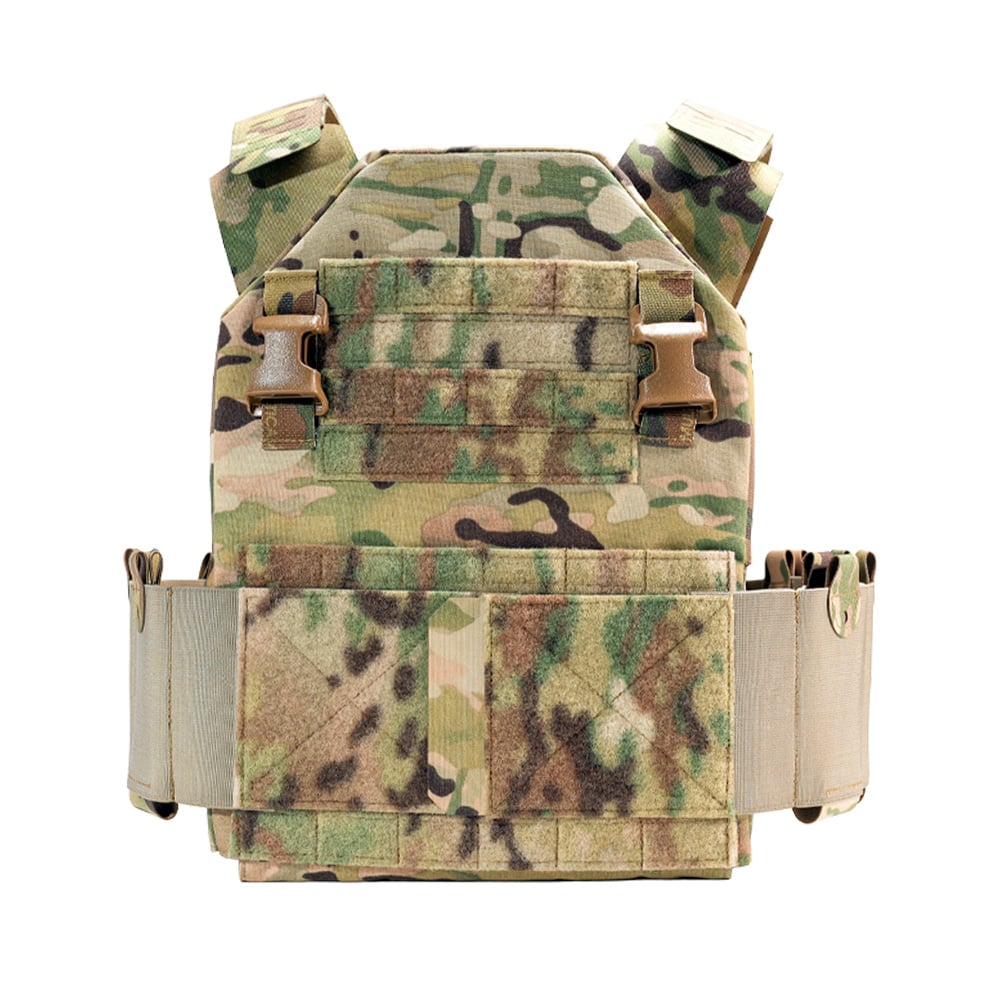
Our in-house MASS and MASS Air soft armor panels are rated for 5 years from manufacture, printed on every panel label with manufacture date and expiration date. This matches the industry standard for aramid-based soft armor and reflects conservative estimates of real-world degradation under normal wear conditions.
For customers buying new soft armor, we recommend building a replacement rotation into your gear budget. A five-year replacement cycle for daily-wear armor is the baseline. Store-and-forget armor (kept in a closet, worn occasionally) can stretch longer if storage is good and inspection is regular, but understand that you are operating outside the manufacturer’s warranty envelope.
When you replace, dispose of the old panels properly. Soft armor is not recyclable, and the fibers are not biodegradable. The practical path is to destroy the panels in a way that prevents reuse (cut the cover, separate the layers) and dispose of them in normal waste. Do not sell or give away expired armor to someone who might trust it as primary protection.
If you are close to or past your expiration date and wondering what to do, we are happy to walk through replacement options. Text us at 865.859.9850 or email support@midwestarmor.com. If your current armor does not fit your carrier correctly, or if you are considering upgrading to custom panels that actually match your body and gear, our Custom Soft Armor program is built exactly for that use case.
For the full picture on armor selection, threat levels, and buyer decision-making, read our complete Body Armor Guide.
Ops-Core FAST SF Gen II Guide: Sizing, Weight, Protection and Setup
Ops-Core makes the FAST helmet, the high cut design most of the market has copied since. Ops-Core is part of Gentex Corporation, and its helmets are…
Ops-Core FAST SF Gen II vs PGD ARCH GEN3: Which High Cut Helmet to Buy
We carry two high cut ballistic helmets: the Ops-Core FAST SF Gen II and the PGD ARCH GEN3. Both are rated NIJ Level IIIA, both have…
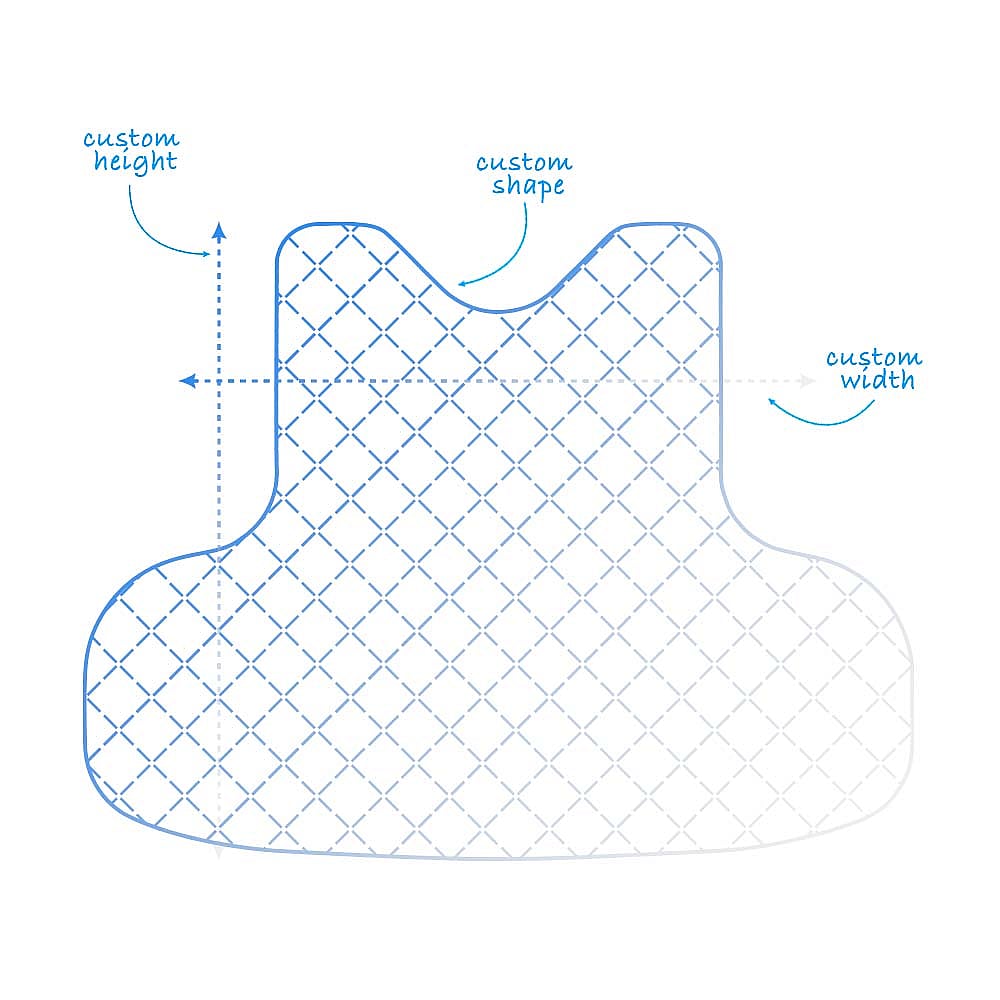
Custom Soft Armor: How to Get Inserts That Actually Fit Your Carrier
Most soft armor doesn't fit the carrier you actually own. Here's how our Custom Soft Armor program solves the fit problem and when to choose custom…