



Ceramic vs Polyethylene Plates: Which Hard Armor Material
Ceramic vs polyethylene plates: how the two hard armor materials compare on weight, protection, durability, and cost, and which to choose.
When you buy hard armor plates, the two material choices that matter most are ceramic and polyethylene (UHMWPE). They are the two legitimate modern hard armor materials, and they make very different trade-offs on weight, protection level, durability, and cost. Picking between them is one of the core decisions in building a plate carrier setup. This guide compares them directly.
For the broader picture of armor levels and threats, see our complete body armor guide. This article focuses specifically on the material comparison.
Polyethylene (UHMWPE) Plates
Ultra-high-molecular-weight polyethylene, usually shortened to UHMWPE or just “poly,” is a lightweight ballistic material sold under brand names like Dyneema and Spectra. A UHMWPE plate is built from many layers of the material compressed and bonded together. When a round hits, the layers catch and decelerate the bullet, capturing it in the material.
Strengths: UHMWPE is the lightest hard armor material available. A Level 3 (III) poly plate can weigh 3 to 4 pounds, less than half what a comparable steel plate weighs and lighter than ceramic. It does not spall (the round is captured, not shattered outward). It floats in water. And it has excellent multi-hit performance against the rifle threats it is rated for.
Limitations: Pure UHMWPE cannot reach Level 4 (IV) protection. It stops standard rifle threats (it is a Level 3 / RF1 material) but cannot defeat armor-piercing rounds on its own. It is also heat-sensitive: sustained temperatures above roughly 180°F degrade the material, so a poly plate must never be left in a hot vehicle. And it has a defined shelf life, typically 5 to 10 years.
Ceramic Plates
Ceramic plates use a hard ceramic strike face (alumina, silicon carbide, or boron carbide) bonded to a backing material, often UHMWPE or aramid. The ceramic shatters the incoming round on impact, breaking it up and absorbing its energy, while the backing catches the fragments.
Strengths: Ceramic is the only material that reaches Level 4 (IV) protection, defeating armor-piercing rounds. It offers excellent multi-hit performance against rated threats, a thinner profile than UHMWPE at equivalent protection, and it is not heat-sensitive the way poly is, so it is more stable in storage.
Limitations: Ceramic is heavier than UHMWPE (a ceramic Level 3 plate runs 5 to 7 pounds, a Level 4 plate 6 to 8 pounds). It is more expensive. And it is fragile: a dropped ceramic plate can develop internal fractures that compromise its protection without any visible surface damage, so ceramic plates require careful handling and should be inspected after any significant impact.
Head to Head
- Weight: UHMWPE wins. 3 to 4 lb vs 5 to 8 lb for ceramic. This is poly’s biggest advantage.
- Maximum protection: Ceramic wins. Only ceramic reaches Level 4 (IV) and defeats armor-piercing rounds. UHMWPE tops out at Level 3 / RF1.
- Durability in storage: Ceramic is more heat-stable; UHMWPE degrades in high heat. But ceramic is more fragile to impact and can crack from drops. Different durability concerns.
- Cost: UHMWPE is generally less expensive than ceramic at comparable protection, and ceramic Level 4 is typically the priciest mainstream option.
- Spalling: Neither spalls dangerously the way steel does. Both are safe on this front.
- Profile/thickness: Ceramic is typically thinner at equivalent protection.
- Water: UHMWPE floats; ceramic does not.
Which Should You Choose?
- Choose UHMWPE if weight is your priority and your threat profile is standard rifle rounds (not armor-piercing). It is the lighter, often less expensive choice for Level 3 / RF1 protection, ideal for LEO patrol rifle response, civilian home defense, and training where you carry the plate for hours.
- Choose ceramic if you need Level 4 (IV) protection against armor-piercing threats, or if you want the thinnest profile at a given protection level and accept the added weight. It is the choice for the top of the protection spectrum.
For most civilian and LEO use where armor-piercing rounds are not a realistic threat, a UHMWPE Level 3 plate with soft armor backing is the practical, lighter answer. Step up to ceramic when you specifically need Level 4. And remember the steel question: we do not recommend steel for personal body armor due to spalling, regardless of cost. Both UHMWPE and ceramic are safer choices than steel.
We carry hard plates in both materials in our Hard Armor category, where current stock and pricing are live. If you are choosing between Level 3 and Level 4, see our body armor guide for the threat-matching side of the decision.
Bottom Line
UHMWPE is lighter, often cheaper, and ideal for Level 3 protection when weight matters. Ceramic is heavier and pricier but is the only material that reaches Level 4 against armor-piercing rounds. For most civilian and LEO use, UHMWPE Level 3 with soft armor backing is the practical choice; step up to ceramic when you need Level 4.
We stock both materials in our Hard Armor category. For threat levels and the full decision framework, see our complete body armor guide.
FAQ
Neither is universally better; they make different trade-offs. UHMWPE is lighter and often cheaper but tops out at Level 3. Ceramic is the only material that reaches Level 4 against armor-piercing rounds, but it is heavier, pricier, and more fragile to impact. Choose based on whether you need Level 4 and how much weight matters.
Polyethylene (UHMWPE) is significantly lighter, typically 3 to 4 pounds for a Level 3 plate versus 5 to 8 pounds for ceramic. Weight is UHMWPE’s biggest advantage and the main reason to choose it when you do not need Level 4 protection.
No. Pure UHMWPE cannot reach Level 4 (IV) protection and cannot defeat armor-piercing rounds on its own. It stops standard rifle threats at the Level 3 / RF1 level. For armor-piercing protection you need a ceramic Level 4 plate.
Ceramic plates can develop internal fractures from drops or hard impacts, sometimes without visible surface damage, which can compromise protection. They require careful handling and should be inspected after any significant impact. UHMWPE is more impact-tolerant but heat-sensitive instead.
Yes, UHMWPE plates have a defined shelf life, typically 5 to 10 years. They are also heat-sensitive and degrade above roughly 180°F, so they must never be stored in a hot vehicle. Check the manufacturer expiration and store them in a climate-controlled space.
For Level 3 protection where weight matters, UHMWPE usually offers better value: lighter and often less expensive. Ceramic is worth the higher cost specifically when you need Level 4 armor-piercing protection, which UHMWPE cannot provide. Match the material to the protection you actually need.
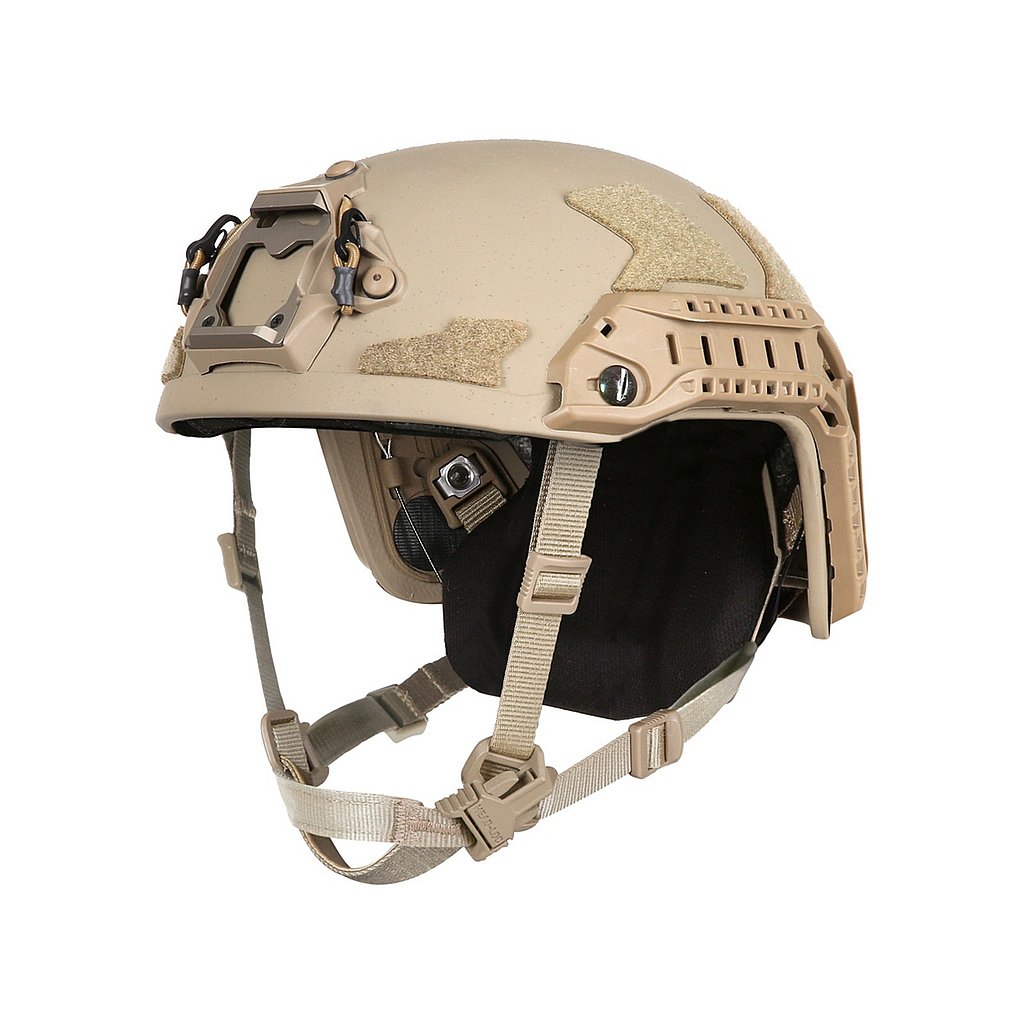
Ops-Core FAST SF Gen II Guide: Sizing, Weight, Protection and Setup
Ops-Core makes the FAST helmet, the high cut design most of the market has copied since. Ops-Core is part of Gentex Corporation, and its helmets are…
Ops-Core FAST SF Gen II vs PGD ARCH GEN3: Which High Cut Helmet to Buy
We carry two high cut ballistic helmets: the Ops-Core FAST SF Gen II and the PGD ARCH GEN3. Both are rated NIJ Level IIIA, both have…
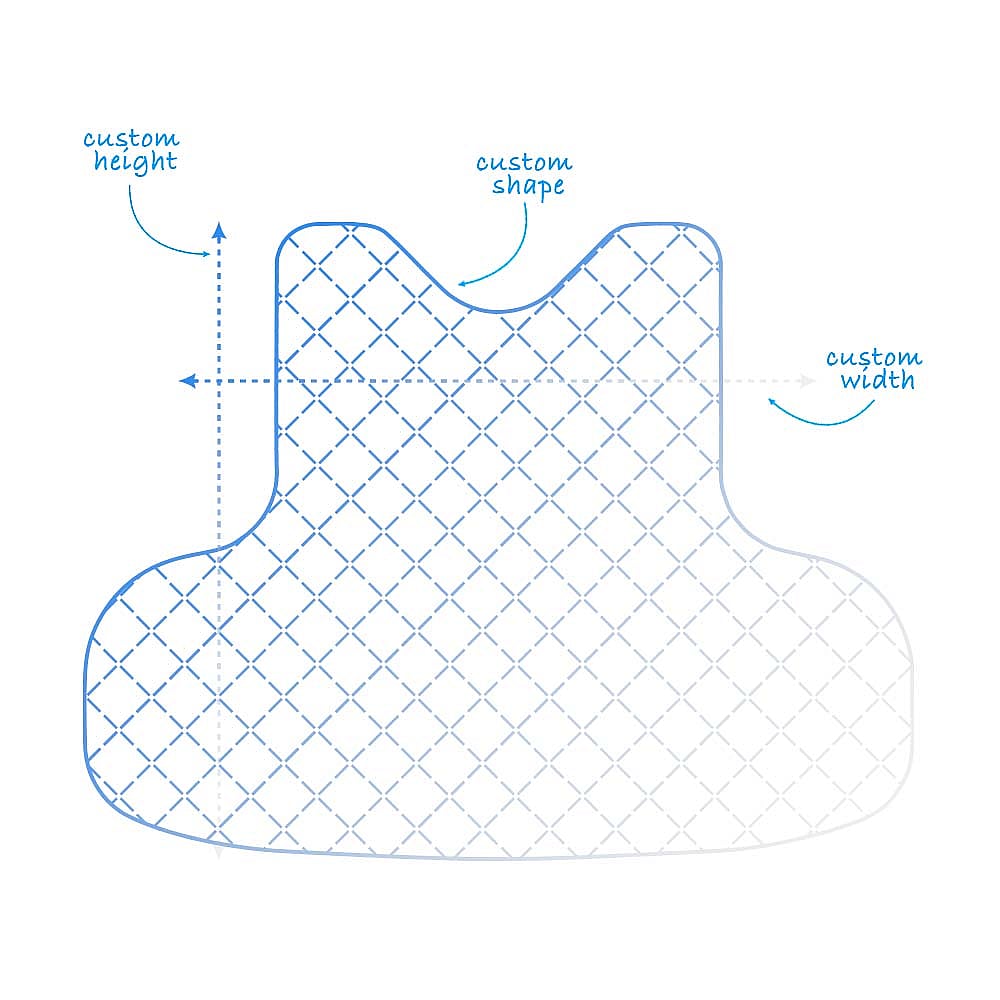
Custom Soft Armor: How to Get Inserts That Actually Fit Your Carrier
Most soft armor doesn't fit the carrier you actually own. Here's how our Custom Soft Armor program solves the fit problem and when to choose custom…