

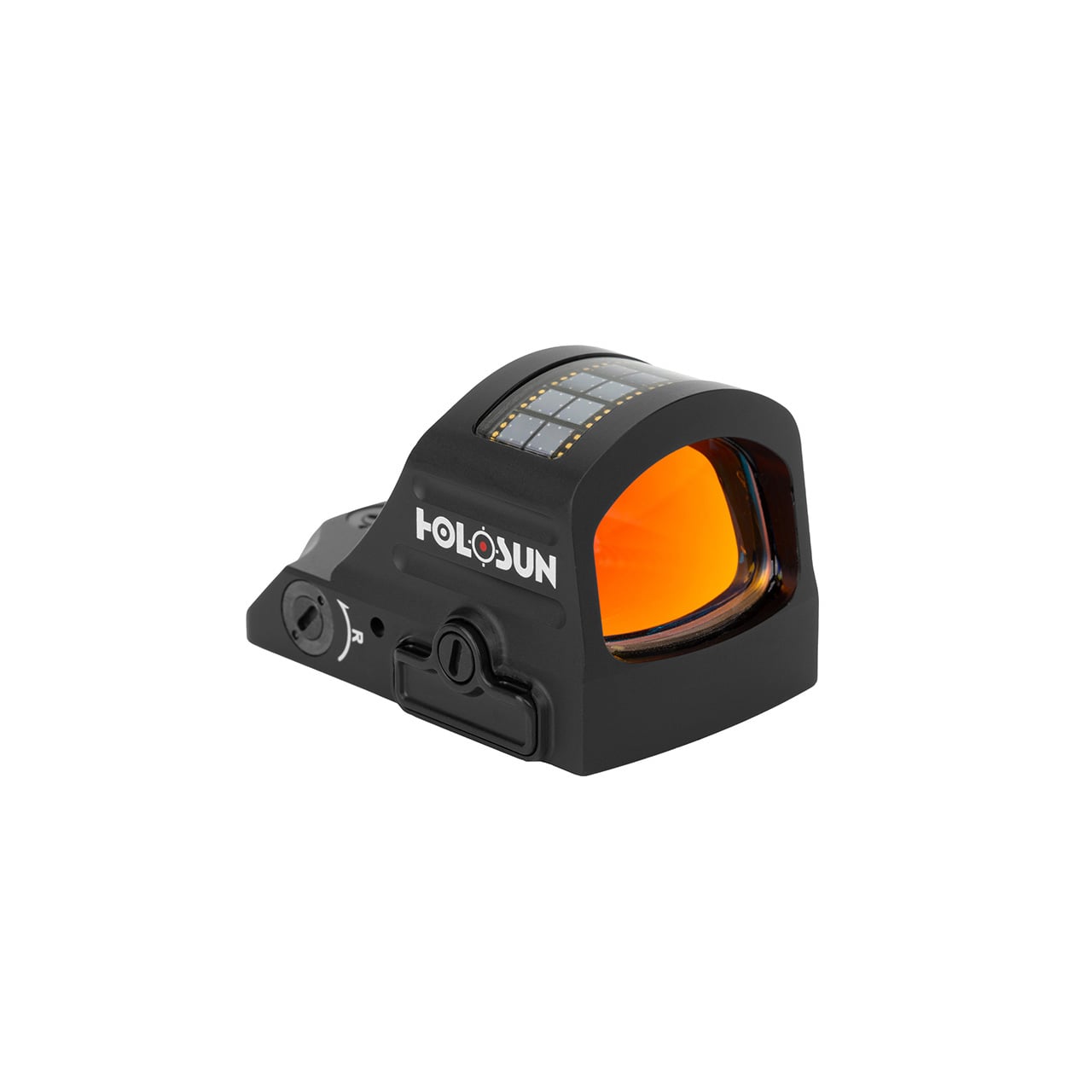


Red Dot vs Holographic Sight: How to Choose
Red dot vs holographic sight: how they differ, what each does best, and how to choose for your rifle or pistol. A practical optics comparison.
Red dot and holographic sights are the two dominant types of non-magnified combat optics. They look similar, they mount similarly, and they serve the same basic purpose: putting an aiming reference on the target for fast, both-eyes-open shooting. But they work on completely different technology, and the differences matter when you are choosing one for your rifle or pistol.
This guide explains how each type works, what each does best, and how to choose between them.
How a Red Dot Sight Works
A red dot sight uses an LED that projects a small dot of light onto a coated lens. The lens reflects the LED’s specific wavelength back to your eye while letting the rest of the light through, so you see a glowing dot floating on the target. It is a reflex (reflector) sight: the dot is a reflection, not a projection onto the target itself.
Red dots are simple, rugged, and extremely efficient. A single LED sips power, which is why modern red dots run for years on one battery and are often left on permanently. They are compact, light, and relatively affordable. The reticle is usually a simple dot, commonly 2 or 3.5 MOA in size.
We carry red dots including the Holosun HS507C-X2, a pistol red dot, and the ACSS-reticle Holosun HS507C-X2 ACSS Vulcan variant.
How a Holographic Sight Works
A holographic sight works differently. It uses a laser to illuminate a holographic image of the reticle that is recorded in a film layer within the optic’s glass. You are looking at a laser-lit hologram of the reticle suspended in the viewing window, not a reflected LED dot.
This technology has a few practical consequences. Holographic reticles can be more complex (a common design is a large ring around a center dot, which is fast to pick up and useful for ranging). The reticle stays usable even if the front glass is cracked or partially obscured, because the hologram is laser-illuminated rather than reflected. Holographic sights also tend to have a slight edge in reticle clarity for shooters with astigmatism, who sometimes see a red dot as a smear. The trade-off is power: the laser system draws more current than an LED, so holographic sights have shorter battery life than red dots.
We carry holographic sights including the EOTech EXPS2 and the EOTech EXPS3, the standard-setting holographic weapon sights.
Red Dot vs Holographic: Head to Head
- Battery life: Red dot wins decisively. Years on a battery versus hundreds to low thousands of hours for holographic. Red dots can be left on; holographic sights you turn off.
- Reticle options: Holographic offers more complex reticles (ring-dot designs) that some shooters acquire faster. Red dots are usually a simple dot.
- Astigmatism: Holographic is often clearer for shooters who see a red dot as a smear.
- Durability with damaged glass: Holographic reticle remains usable with cracked front glass; a red dot needs its lens intact to reflect the dot.
- Size and weight: Red dots are generally smaller and lighter.
- Cost: Red dots are generally less expensive at comparable quality tiers.
- Pistol use: Red dots dominate here. Holographic sights are rifle/carbine optics; pistol optics are red dots.
Which Should You Choose?
- Choose a red dot if you want maximum battery life, lighter weight, lower cost, or you are setting up a pistol. For most general-purpose carbine and pistol use, a quality red dot is the practical choice and the one most shooters should default to.
- Choose a holographic sight if you want the fast ring-dot reticle, you have astigmatism that smears a red dot, or you want reticle clarity and the always-large field of view that holographic sights are known for. The trade is battery life and cost.
Both can be paired with a magnifier behind the optic to add magnification on demand while keeping the fast non-magnified sight for close work. That combination is popular precisely because it gets you both close-range speed and a magnified option without committing to a fixed magnified optic.
Bottom Line
Red dots win on battery life, weight, cost, and pistol use, and are the practical default for most shooters. Holographic sights win on reticle options, astigmatism clarity, and resilience with damaged glass, at the cost of battery life. Both can take a magnifier for distance.
We stock both: Holosun red dots and EOTech holographic sights. Browse the full optics lineup to compare, and reach out if you want help matching an optic to your setup.
FAQ
A red dot reflects an LED-projected dot off a coated lens. A holographic sight uses a laser to illuminate a recorded hologram of the reticle in the glass. The result looks similar, but the technology differs, which drives differences in battery life, reticle options, and behavior with damaged glass.
Red dots, by a wide margin. An LED red dot can run for years on one battery and is often left on permanently. Holographic sights use a more power-hungry laser system and last hundreds to low thousands of hours, so they are typically turned off when not in use.
Often, yes. Shooters with astigmatism sometimes see a red dot as a smear or starburst. The laser-illuminated holographic reticle is frequently clearer for those shooters. If a red dot looks distorted to you, try a holographic sight.
Generally no. Holographic sights are rifle and carbine optics; they are too large and power-hungry for a pistol slide. Pistol optics are red dots, which are compact and run for years on a battery. For a pistol, choose a red dot.
Yes. Both red dots and holographic sights can be paired with a flip-to-side magnifier mounted behind the optic. This gives you magnification on demand for distance while keeping the fast non-magnified sight for close range. It is a popular setup for general-purpose carbines.
Both quality optics are rugged. The notable difference: a holographic reticle stays usable even if the front glass is cracked or obscured, because it is laser-illuminated. A red dot needs its lens intact to reflect the dot. For glass-damage resilience, holographic has the edge.
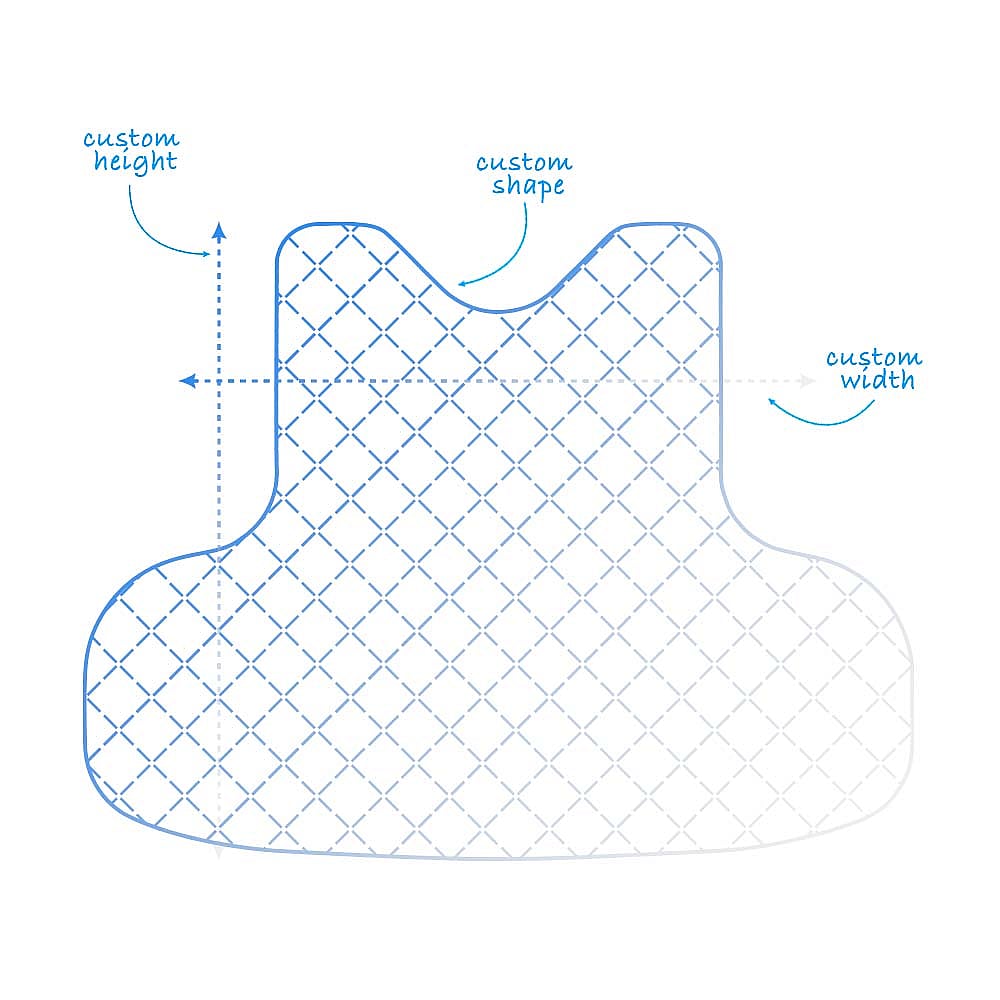
Custom Soft Armor: How to Get Inserts That Actually Fit Your Carrier
Most soft armor doesn't fit the carrier you actually own. Here's how our Custom Soft Armor program solves the fit problem and when to choose custom…
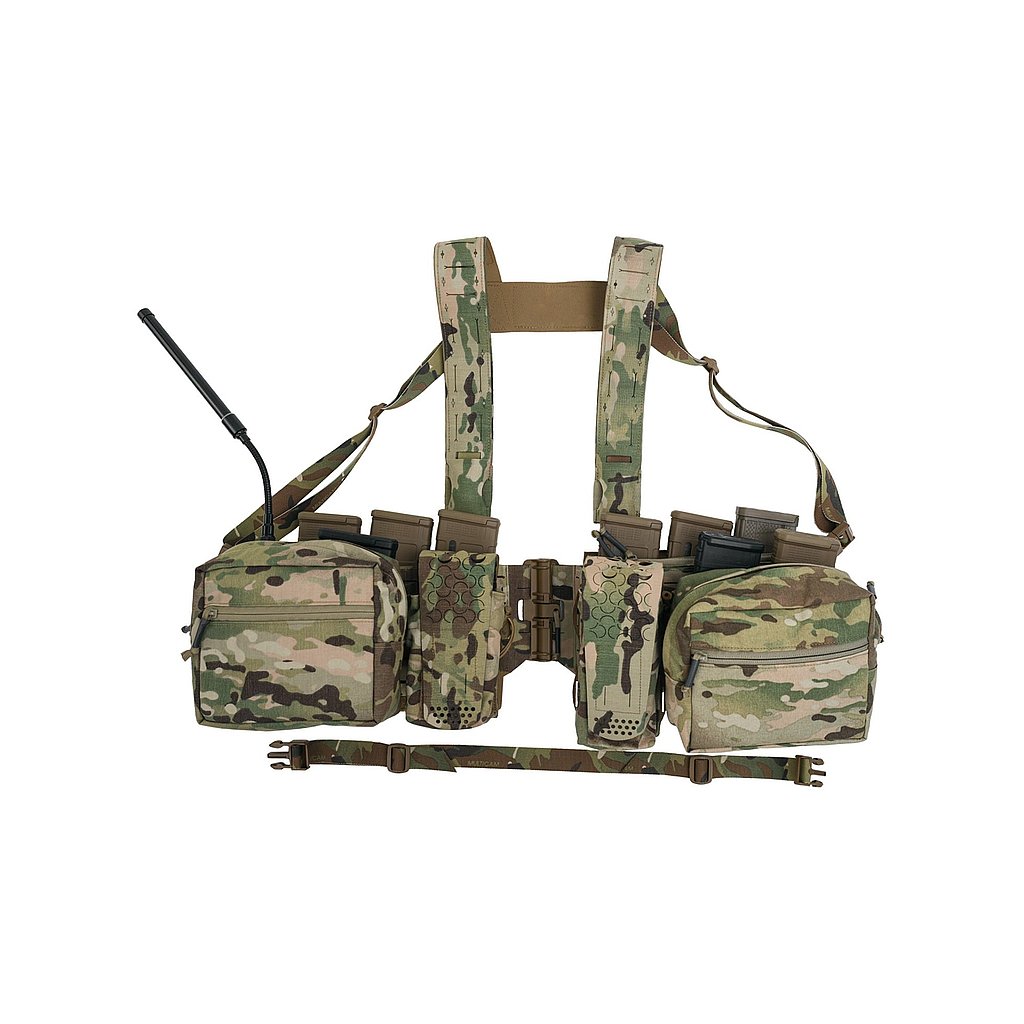
Layering a Chest Rig Over a Plate Carrier: When and How
Layering a chest rig over a plate carrier gives you ballistic protection plus high-capacity gear carriage. The SRV Split Chest Rig is purpose-built for this layered…
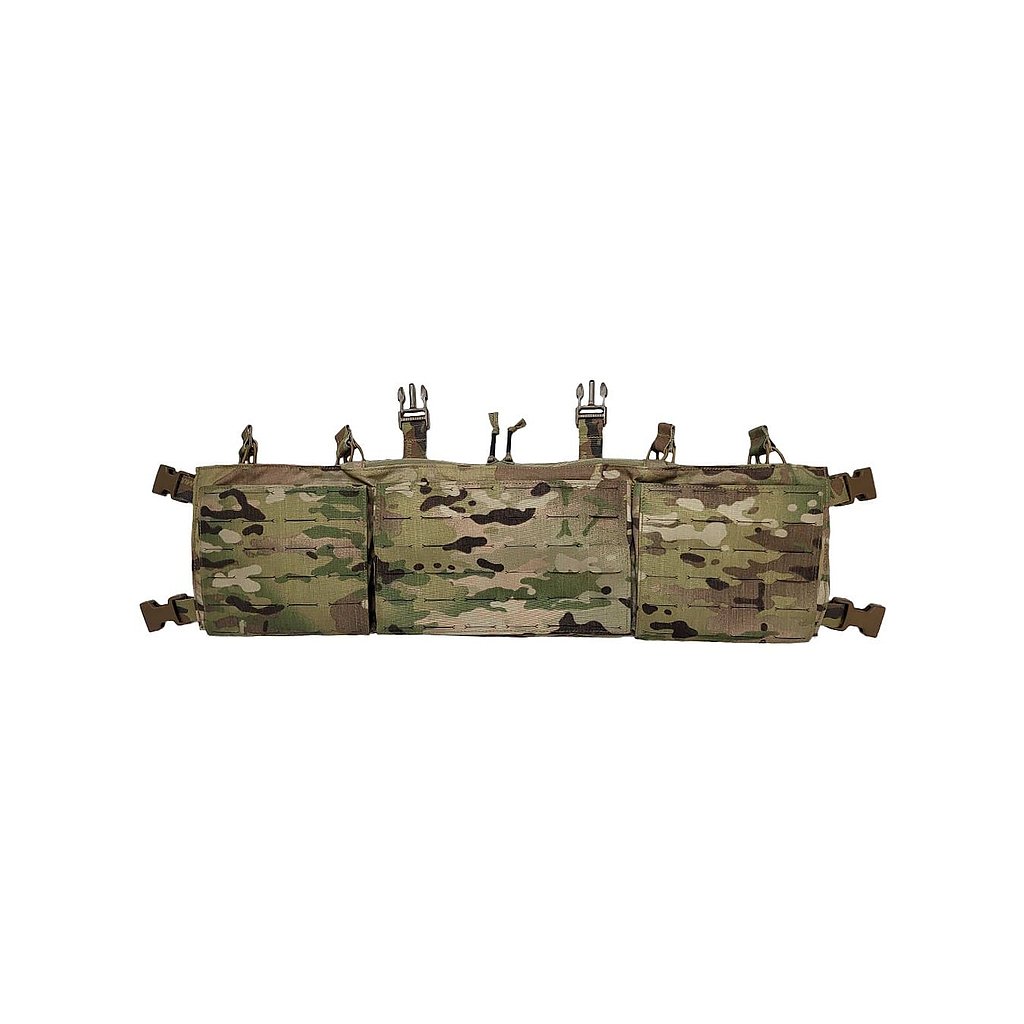
Best Chest Rig: How to Pick the Right Rig for Your Role
The best chest rig is the one that matches your role, mag count, and platform. Here is how to pick between continuous, modular, split, and minimalist…