



Gunshot Wound First Response: The First Five Minutes
Gunshot wound first response: what to do in the first five minutes. The bleeding-control sequence, the tools, and the priorities that save lives.
The minutes immediately after a gunshot wound are the ones that decide the outcome. Severe bleeding can become fatal faster than emergency services can arrive, which means the first response often falls to whoever is present: the victim, a bystander, a teammate. Knowing the bleeding-control sequence, and having the tools on hand, is what turns a survivable wound into a survival.
This guide explains the first-response framework for a gunshot wound: the priorities, the sequence, and the tools. It is educational. It is not a substitute for a hands-on trauma course, and taking one is the single most valuable thing you can do to prepare.
First: Scene Safety and Calling for Help
Before any treatment, two things. First, make sure the scene is safe. You cannot help anyone if you become a second casualty. If there is an active threat, the priority is getting to a position of safety. Second, call 911 or have someone else call immediately. Definitive care is the hospital; everything you do on scene is buying time to get the victim there.
Once the scene is safe and help is coming, the focus turns to the wound. The leading cause of preventable death from a gunshot wound is blood loss, so bleeding control is the priority.
The Bleeding-Control Sequence
Modern trauma care for severe bleeding follows a clear priority order. The framework taught in bleeding-control courses moves through the options based on where the wound is and how severe the bleed is.
Massive Limb Bleeding: Tourniquet
If the wound is on an arm or a leg and bleeding heavily, the tourniquet is the first tool. It is applied high and tight on the limb above the wound, and it is tightened until the bleeding stops. A tourniquet works fast and it works reliably, and for life-threatening limb bleeding it is the priority over everything else. Note the time it was applied. For the full breakdown, see our tourniquet guide, and carry the tourniquet somewhere immediately accessible in a dedicated tourniquet holder.
Junctional and Deep Bleeding: Wound Packing
If the wound is in a junctional area (shoulder, armpit, groin, neck) where a tourniquet cannot be applied, or it is a deep wound, the technique is wound packing with hemostatic gauze. The gauze is packed firmly into the wound cavity onto the bleeding source, and firm direct pressure is held to let the clot form. See our hemostatic gauze guide for how clotting agents work.
Securing the Wound: Pressure Dressing
Once a wound is packed, or for moderate bleeding that does not need packing, a pressure dressing applies firm sustained pressure and frees the rescuer’s hands. See our pressure dressing guide.
Chest Wounds: Chest Seal
A penetrating wound to the chest or upper back needs a different tool. An open chest wound can let air into the chest cavity and collapse a lung. A chest seal is an occlusive dressing applied over the wound to address this. Penetrating chest trauma is a serious, time-critical injury and a clear reason to get the victim to definitive care fast.
Check for Multiple Wounds
One critical point that first responders miss under stress: a gunshot victim may have more than one wound. Bullets create entry and sometimes exit wounds, and a victim may have been struck more than once. After addressing the obvious wound, the victim should be checked, front and back, for additional wounds. A controlled wound on the front means nothing if an uncontrolled wound on the back is missed.
After Bleeding Is Controlled
Once the bleeding is controlled, the priorities are keeping the victim still, keeping them warm (a trauma victim losing blood is at risk of dangerous heat loss, which worsens their condition), monitoring them, and getting them to definitive care. Reassure them and keep them calm. Do not give them food or water. Stay with them until emergency services take over.
The Tools to Have on Hand
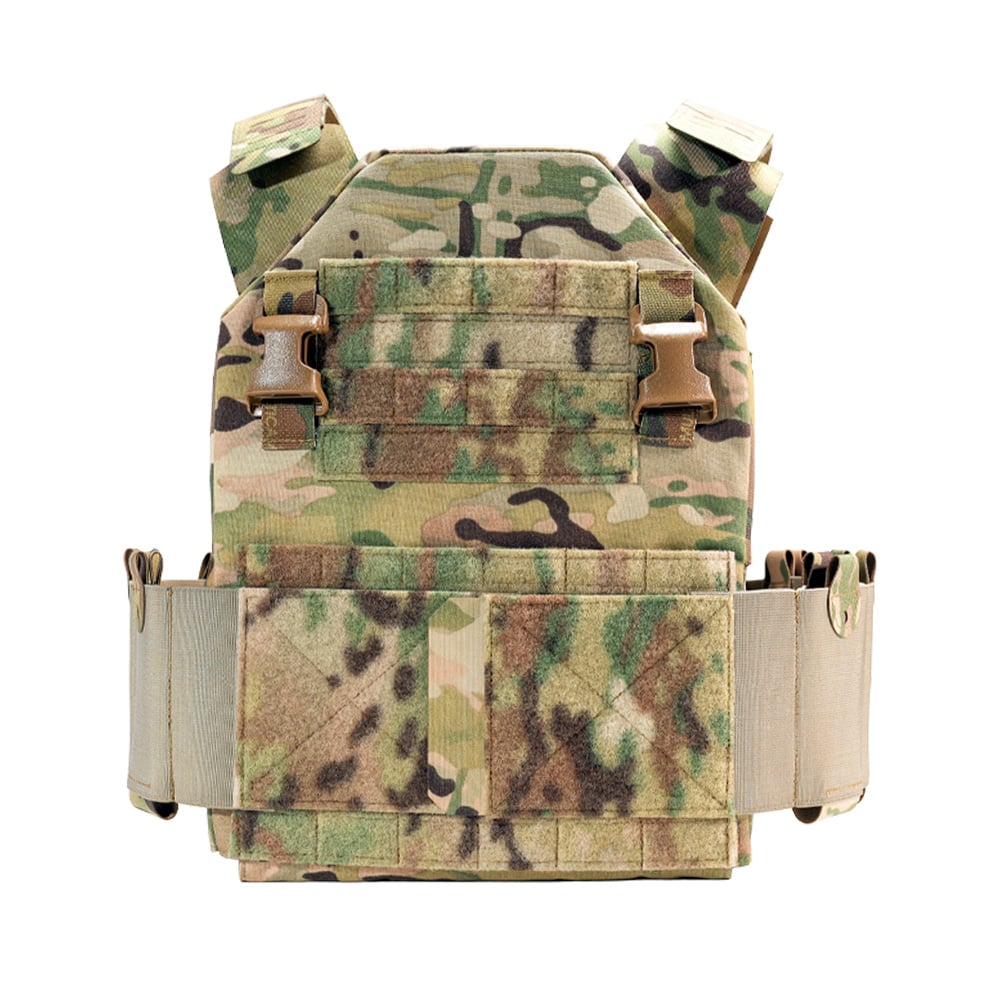
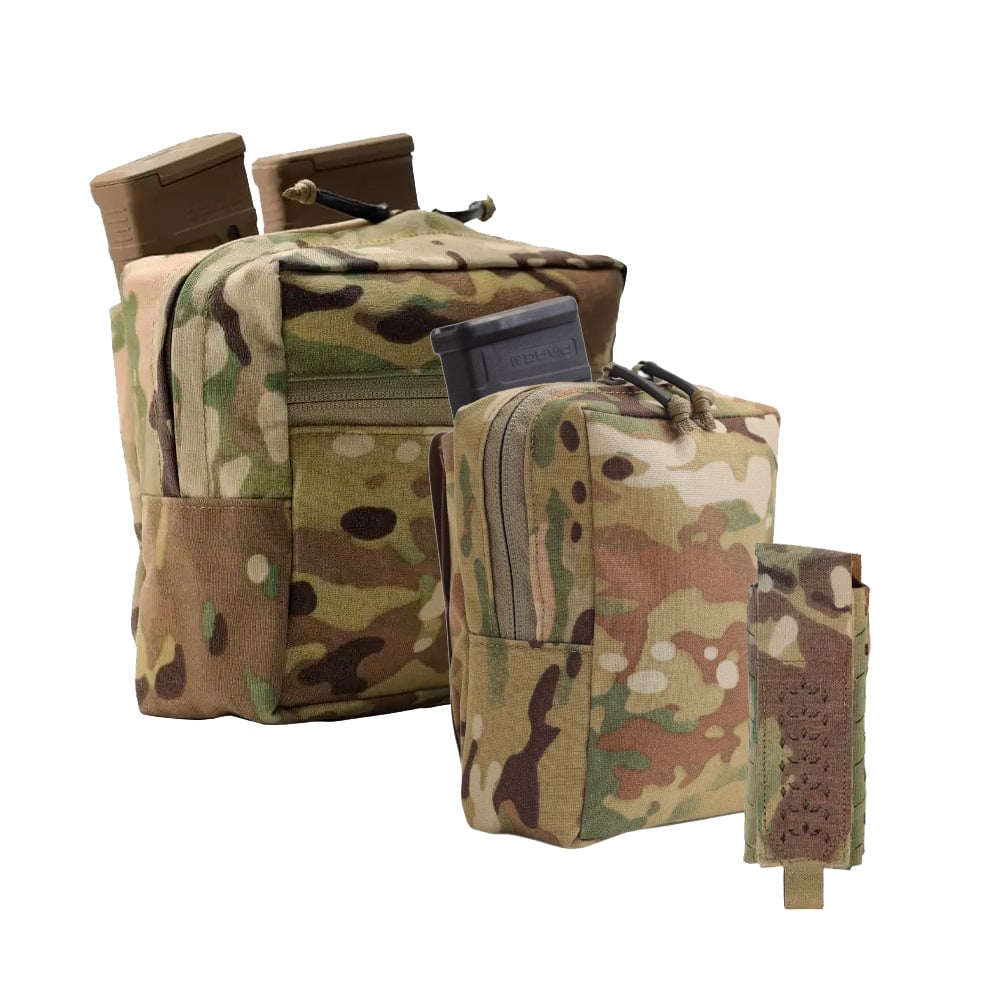
None of this works without the tools, and the tools do not work if they are not present. A bleeding-control kit should be where you can reach it: in the home, in the vehicle, on the range, on a battle belt or plate carrier. The core components:
- Tourniquet for massive limb bleeding. The CAT tourniquet is the proven standard.
- Hemostatic gauze for junctional and deep wounds. We stock Combat Gauze LE.
- Pressure dressing to secure wounds. We stock the Emergency Trauma Dressing.
- Chest seals for penetrating chest wounds.
- Gloves and trauma shears to work safely and expose the wound.
Our Individual Bleeding Control Kit assembles these into one package, and our complete IFAK guide walks through building a full kit from components.
The Most Important Step: Get Trained
Reading about bleeding control is a start. It is not the same as being able to do it under stress, with shaking hands, on a real wound. Tourniquet application, wound packing, and chest seal placement are all hands-on skills that have to be practiced. Recognized bleeding-control courses teach these skills in a few hours and are widely available. If you carry a trauma kit, get the training that makes it useful.
Bottom Line
Gunshot wound first response: secure the scene, call 911, then control bleeding in priority order. Tourniquet for massive limb bleeding, wound packing with hemostatic gauze for junctional and deep wounds, pressure dressing to secure, chest seal for penetrating chest wounds. Check for multiple wounds. Keep the victim still and warm until help arrives.
Have the tools on hand before you need them: the Individual Bleeding Control Kit assembles the essentials. See our tourniquet guide, hemostatic gauze guide, and complete IFAK guide for the full picture. Then get trained.
This article is educational and does not replace professional trauma training. Seek hands-on instruction from a recognized bleeding-control course.
FAQ
Ensure the scene is safe, then call 911. After that, control bleeding, which is the leading cause of preventable death from a gunshot wound. For massive limb bleeding, that means a tourniquet first.
No. Never attempt to remove a bullet or any embedded object. Removing it can cause further damage and worsen bleeding. Control the bleeding around the wound and leave bullet removal to surgeons at definitive care.
For junctional wounds (shoulder, armpit, groin, neck) and deep wounds where a tourniquet cannot be applied, the technique is wound packing with hemostatic gauze, followed by firm direct pressure and a pressure dressing to secure it.
A gunshot victim may have entry and exit wounds, or may have been struck more than once. After treating the obvious wound, check the victim front and back for additional wounds. A missed uncontrolled wound can be fatal even when the obvious one is handled.
Only if the scene is unsafe and they must be moved to safety. Otherwise keep the victim still. Unnecessary movement can worsen injuries. The exception is an active threat, where getting to safety takes priority.
Severe arterial bleeding can become life-threatening in minutes, faster than emergency services typically arrive. That is why on-scene bleeding control by whoever is present is so important: it buys the time needed to reach definitive care.
Training makes a major difference. Tourniquet application, wound packing, and chest seal placement are hands-on skills best learned in a recognized bleeding-control course. If you carry a trauma kit, get the training that makes it effective under stress.
Custom Soft Armor: How to Get Inserts That Actually Fit Your Carrier
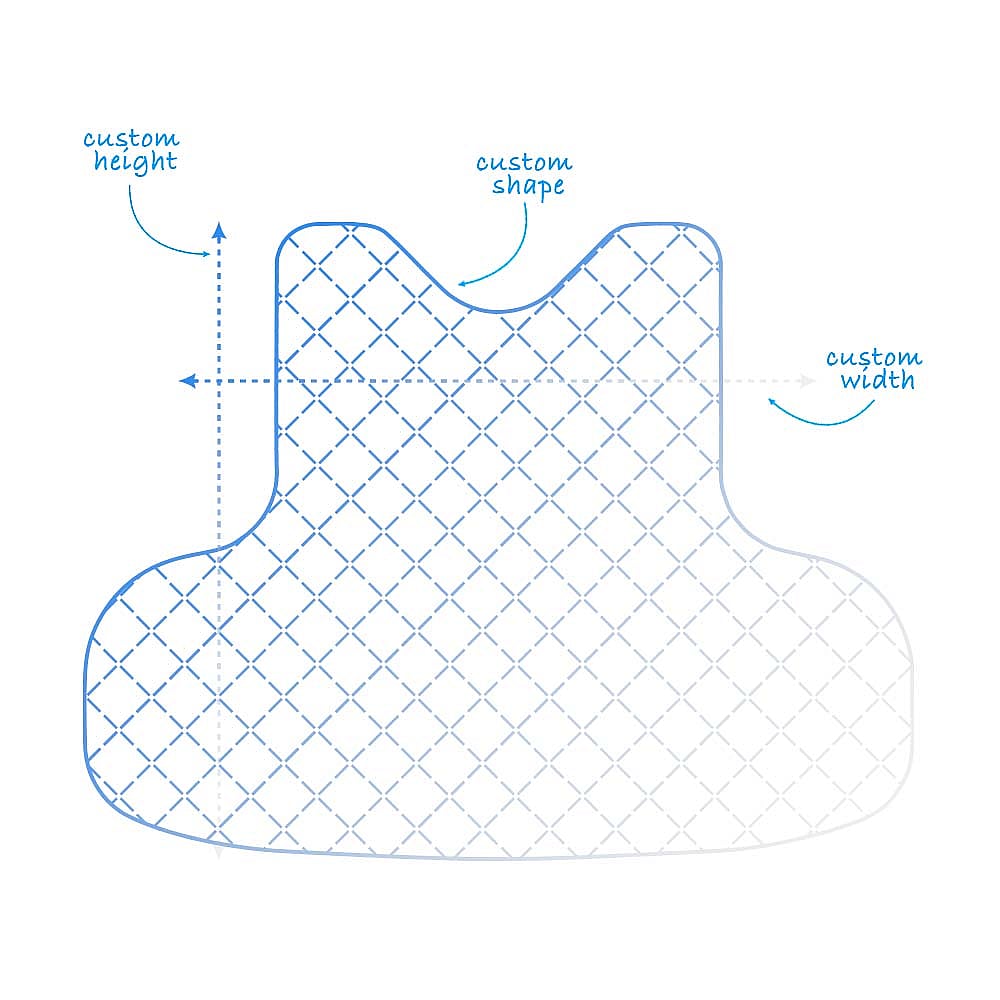
Most soft armor doesn't fit the carrier you actually own. Here's how our Custom Soft Armor program solves the fit problem and when to choose custom…
Layering a Chest Rig Over a Plate Carrier: When and How
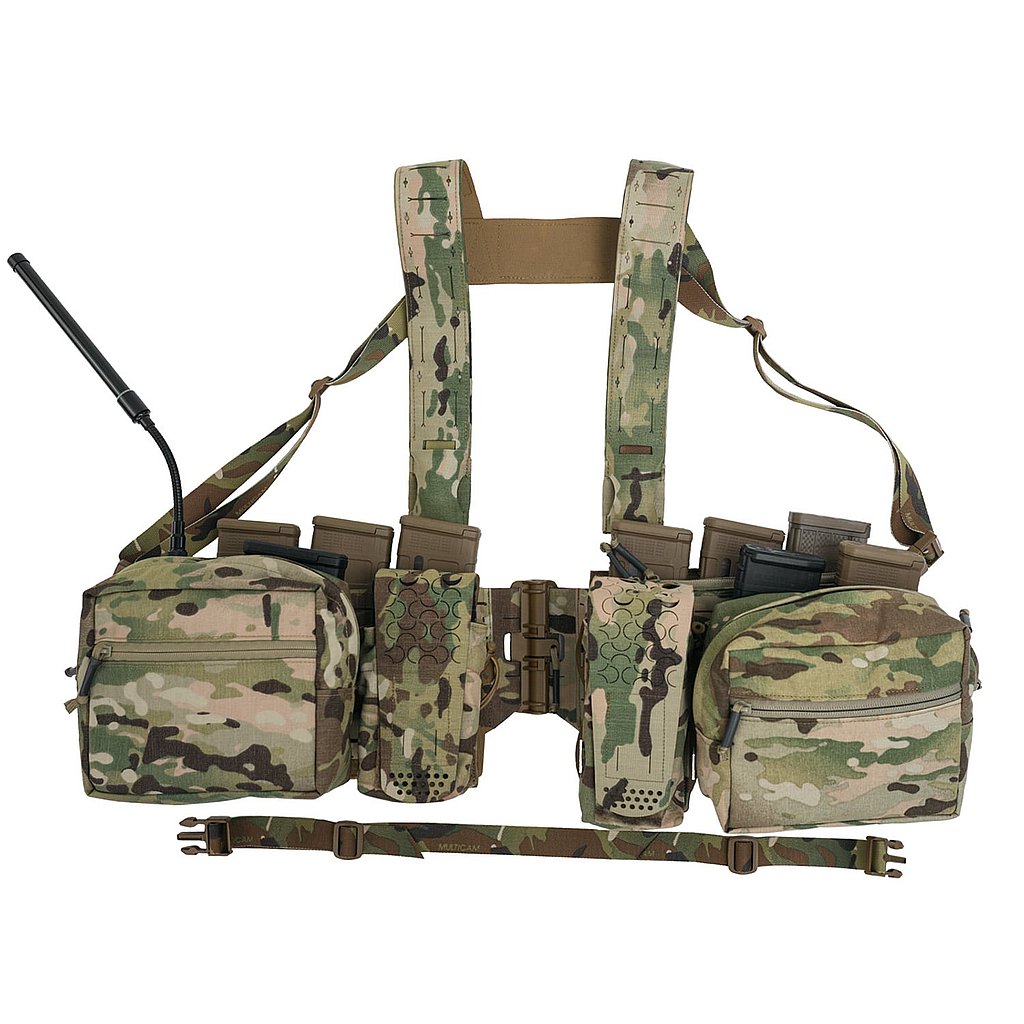
Layering a chest rig over a plate carrier gives you ballistic protection plus high-capacity gear carriage. The SRV Split Chest Rig is purpose-built for this layered…
Best Chest Rig: How to Pick the Right Rig for Your Role
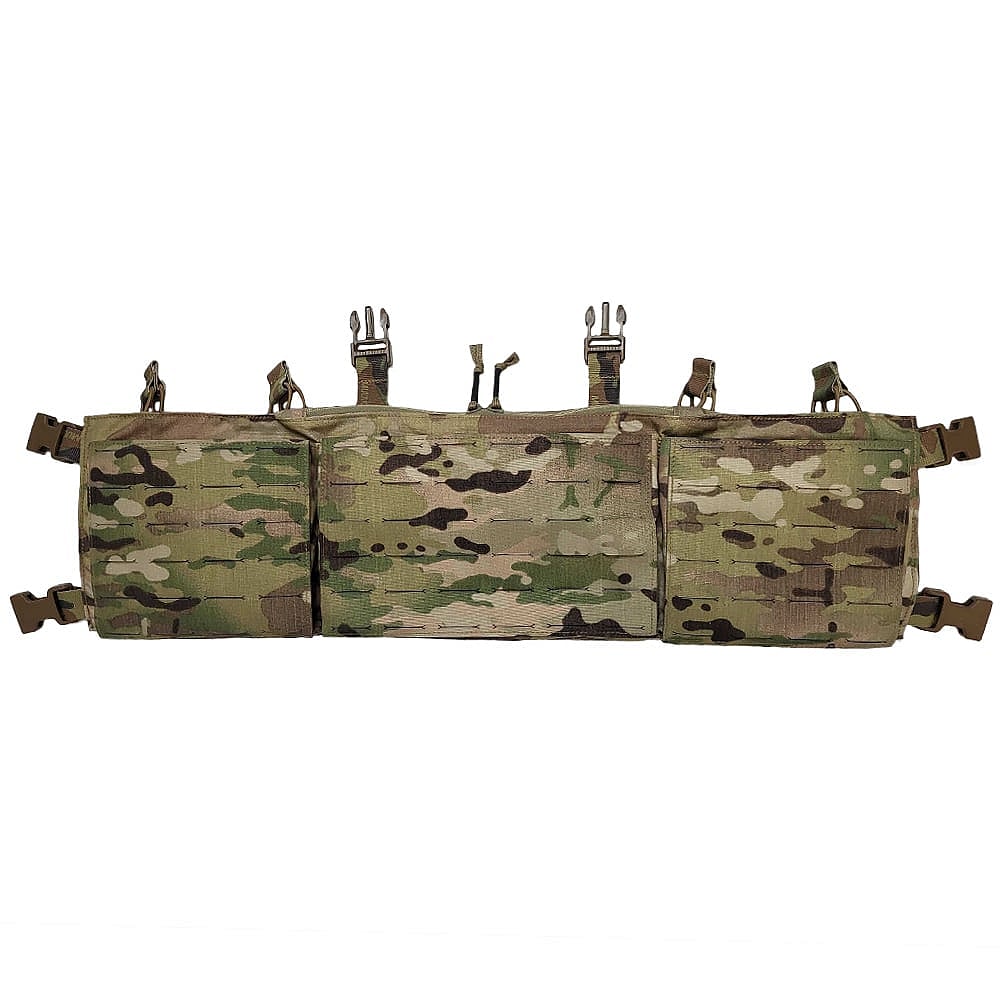
The best chest rig is the one that matches your role, mag count, and platform. Here is how to pick between continuous, modular, split, and minimalist…