



Pressure Dressing vs Israeli Bandage: How They Work
Pressure dressing vs Israeli bandage: what each one is, how they relate, and how the emergency trauma dressing fits into bleeding control.
Pressure dressing and Israeli bandage are two terms you will see constantly in trauma kit discussions, often used as if they are different products. They are closely related, and the confusion is understandable. A pressure dressing is a category of bleeding-control tool, and the Israeli bandage is the most famous example of that category. This guide sorts out the terminology and explains how these dressings actually work.
It is educational, not a replacement for hands-on trauma training.
What a Pressure Dressing Does
A pressure dressing is a bandage designed to apply firm, sustained, direct pressure to a wound. Direct pressure is the foundation of bleeding control: most bleeding stops when enough pressure is held on it for long enough. The problem is that holding manual pressure with your hands ties up a rescuer and is hard to sustain. A pressure dressing solves that by building the pressure into the bandage itself, so once it is applied it holds the pressure for you and frees your hands.
A pressure dressing typically combines three elements in one device: an absorbent pad that sits over the wound, an elasticized wrap that goes around the limb, and a mechanism (a pressure bar, a clip, or a tensioning device) that lets you cinch the wrap tight and lock the pressure in place.
The Israeli Bandage
The Israeli bandage, also called the emergency bandage or the Israeli emergency bandage, is the best-known pressure dressing design. It was developed by an Israeli military medic and became one of the most widely issued pressure dressings in the world.
What made the Israeli bandage notable is its integrated pressure bar: a built-in plastic bar that the wrap threads through. After wrapping, you reverse direction at the pressure bar, which applies focused pressure over the wound pad and lets the rescuer tension the whole dressing tight with one continuous motion. It also has a closure clip to secure the end. The Israeli bandage made it possible for one person, even an injured person treating themselves, to apply a high-quality pressure dressing quickly.
“Israeli bandage” is sometimes used generically for any pressure dressing with an integrated pressure bar, the same way people use brand names as general terms. Strictly, it refers to that specific design lineage.
The Emergency Trauma Dressing (ETD)
The Emergency Trauma Dressing, or ETD, is another widely used pressure dressing in the same family. Like the Israeli bandage, the ETD combines an absorbent pad and an elasticized wrap into a single device designed for one-handed or self-application. It is a proven, field-standard pressure dressing.
We stock the Emergency Trauma Dressing (ETD) as our primary pressure dressing. It is compact, vacuum-sealed, and sized to fit in an IFAK. For a lighter option, we also carry the My Medic Emergency Pressure Bandage, and the NAR Elastic Wrap Bandages for securing dressings and packed wounds.
Pressure Dressing vs Israeli Bandage: The Real Relationship
To put the terminology to rest: pressure dressing is the category. Israeli bandage and the ETD are both specific pressure dressings within that category. They share the same job, applying firm sustained pressure to a wound, and they share the same basic design logic, an absorbent pad plus an elasticized wrap plus a tensioning mechanism.
The practical differences between specific pressure dressings come down to the tensioning mechanism, the pad size, the wrap length, and how the particular design handles one-handed application. Any quality modern pressure dressing, whether it is branded as an Israeli bandage, an ETD, or an emergency bandage, will do the core job. The most important thing is not which one you carry but that you carry one and have trained with it.
How a Pressure Dressing Is Used
The general sequence, presented to explain the concept rather than to replace training: place the absorbent pad directly over the wound, wrap the elasticized bandage around the limb, engage the pressure bar or tensioning mechanism to focus and lock pressure onto the pad, continue wrapping to use up the bandage, and secure the end with the closure.
A pressure dressing is also the tool used to secure a wound that has been packed with hemostatic gauze: once the gauze is packed and the bleeding controlled, the pressure dressing holds it all in place. Pressure dressing and hemostatic gauze work together.
A pressure dressing is not a tourniquet. For massive arterial limb bleeding, the tourniquet comes first. The pressure dressing handles moderate bleeding, secures packed wounds, and is part of the broader bleeding-control sequence. See our tourniquet guide and hemostatic gauze guide for the other tools.
Bottom Line
Pressure dressing is the category; the Israeli bandage and the ETD are specific pressure dressings within it. They all apply firm sustained pressure to a wound and secure packed wounds. Which exact dressing you carry matters far less than carrying one and training with it.
We stock the Emergency Trauma Dressing (ETD) as our primary pressure dressing. For the complete bleeding-control picture, see our tourniquet guide, hemostatic gauze guide, and complete IFAK guide.
This article is educational and does not replace professional trauma training. Seek hands-on instruction from a recognized bleeding-control course.
FAQ
An Israeli bandage is a type of pressure dressing. Pressure dressing is the category; the Israeli bandage is the best-known example, distinguished by its integrated pressure bar. All Israeli bandages are pressure dressings, but not all pressure dressings are Israeli bandages.
Both are pressure dressings in the same family, combining an absorbent pad and elasticized wrap for one-handed application. They differ in the specific tensioning mechanism, pad size, and wrap design. Functionally they do the same job; either is a solid choice for a trauma kit.
A pressure dressing applies firm, sustained, direct pressure to a wound, with the pressure built into the bandage so it holds without a rescuer’s hands. It controls moderate bleeding and secures wounds that have been packed with hemostatic gauze.
No. A tourniquet completely stops blood flow to a limb and is used for massive arterial bleeding. A pressure dressing applies firm direct pressure to a wound. For severe limb bleeding the tourniquet comes first; the pressure dressing handles moderate bleeding and secures packed wounds.
The pressure bar is the built-in plastic component the wrap threads through. Reversing the wrap direction at the bar focuses pressure onto the wound pad and lets the rescuer tension the entire dressing tight in one continuous motion, which is what makes one-handed and self-application possible.
Yes, that is a core design goal. Modern pressure dressings like the Israeli bandage and ETD are built for one-handed and self-application, so an injured person can apply one without assistance. Training makes self-application far more reliable under stress.
Pressure dressings are vacuum-sealed and the sterile pad carries an expiration date. Check the date periodically and replace expired dressings. A compromised vacuum seal also means the dressing should be replaced.
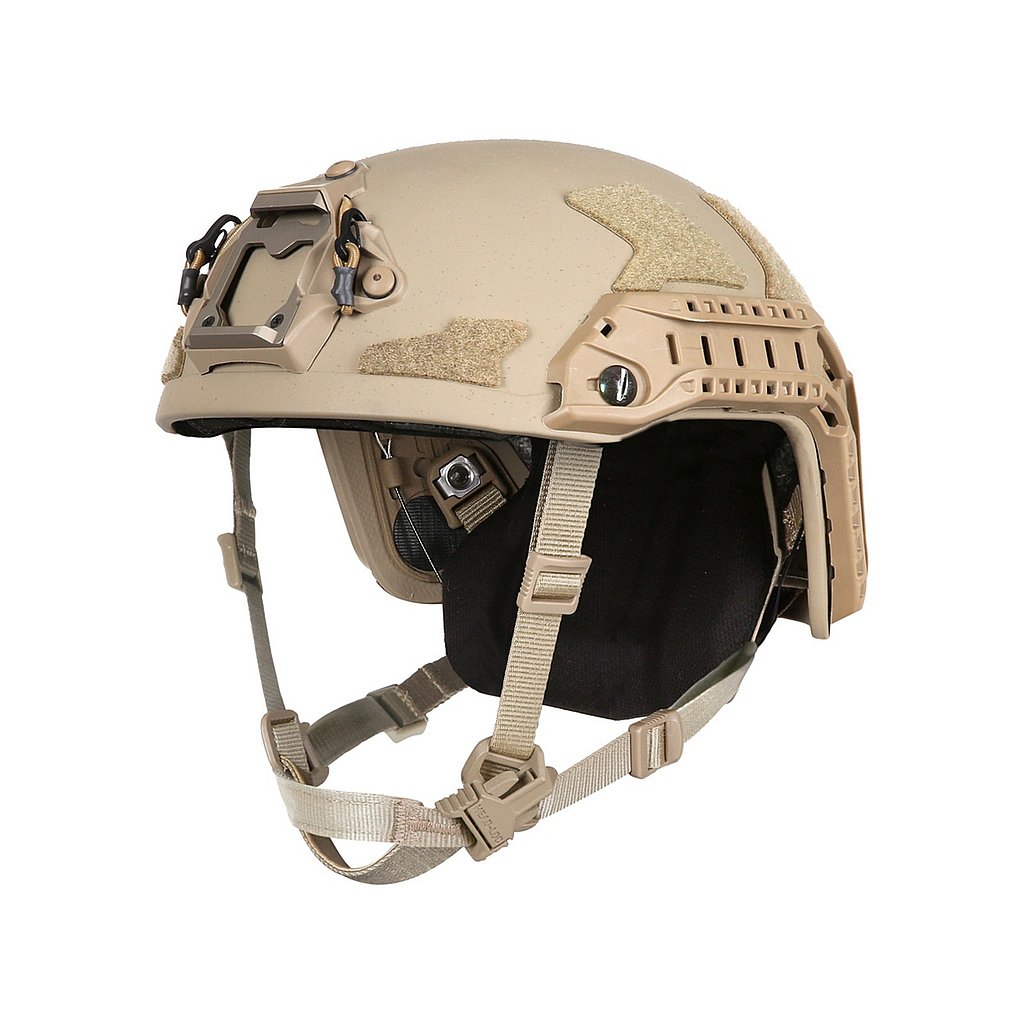
Ops-Core FAST SF Gen II Guide: Sizing, Weight, Protection and Setup
Ops-Core makes the FAST helmet, the high cut design most of the market has copied since. Ops-Core is part of Gentex Corporation, and its helmets are…
Ops-Core FAST SF Gen II vs PGD ARCH GEN3: Which High Cut Helmet to Buy
We carry two high cut ballistic helmets: the Ops-Core FAST SF Gen II and the PGD ARCH GEN3. Both are rated NIJ Level IIIA, both have…
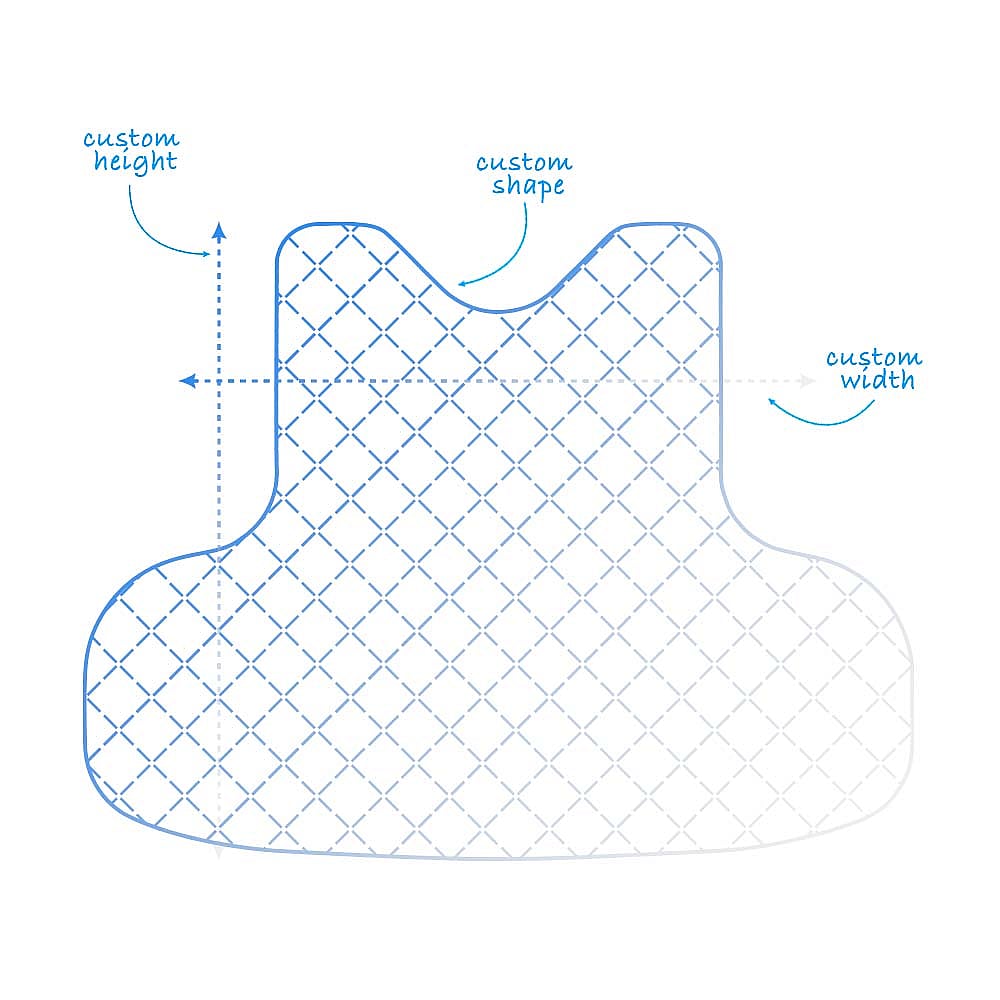
Custom Soft Armor: How to Get Inserts That Actually Fit Your Carrier
Most soft armor doesn't fit the carrier you actually own. Here's how our Custom Soft Armor program solves the fit problem and when to choose custom…