



Tourniquet Holder Guide: Rigid, Elastic, and Laser-Cut Compared
A tourniquet holder keeps your TQ accessible in seconds when it matters. Here is how to choose between rigid cases, elastic holders, and laser-cut pouches, and where to mount one.
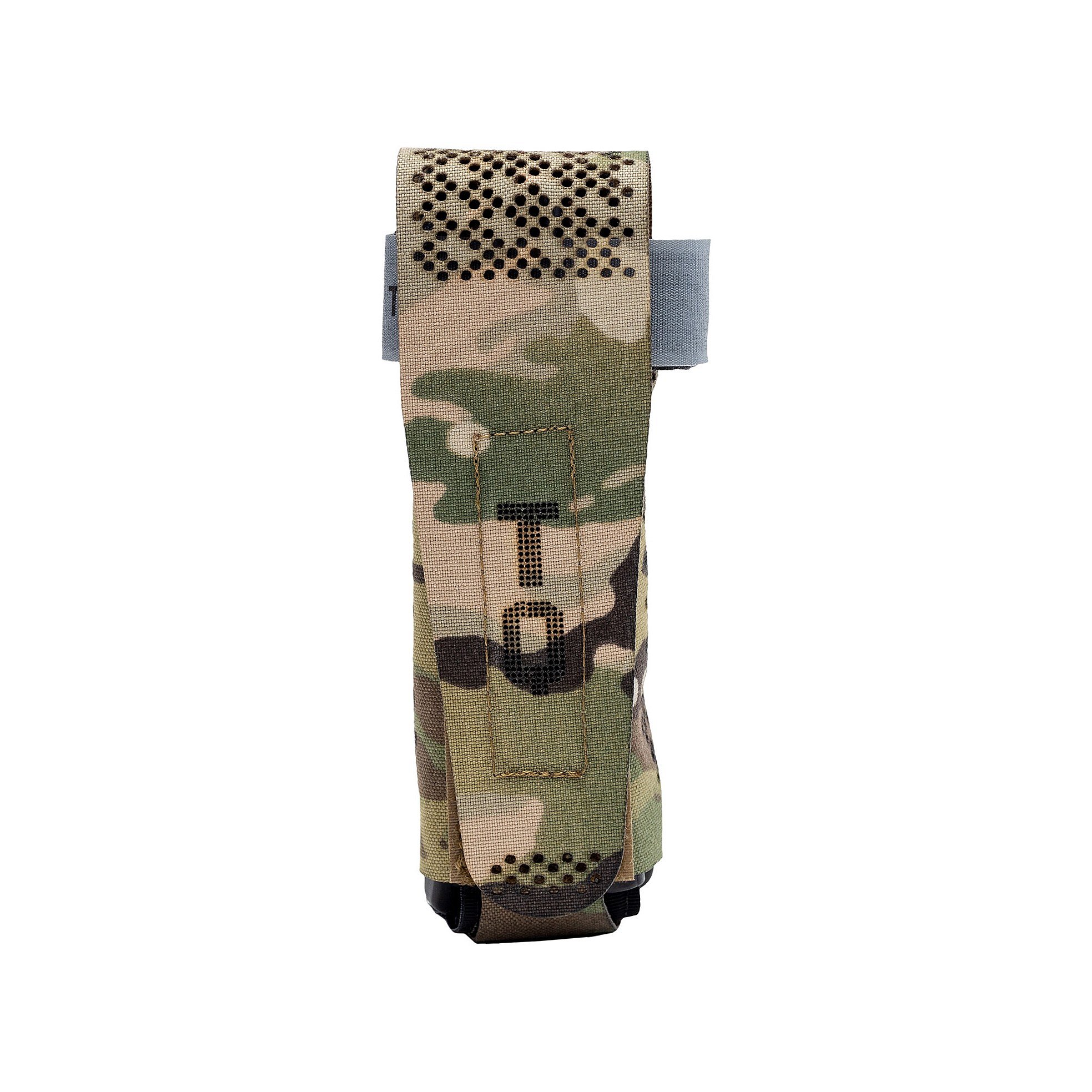
A tourniquet holder is the carrier that keeps your tourniquet mounted, protected, and accessible until the moment you need it. It is easy to treat the holder as an afterthought once you have bought the tourniquet itself. That is a mistake. A tourniquet you cannot reach in two seconds under stress is a tourniquet that does not do its job. The holder is what makes the tourniquet usable.
This guide covers what a tourniquet holder does, the three holder designs we stock and how to choose between them, where to mount a holder on a carrier or belt, and the mistakes that make a holder useless. For the tourniquet itself (CAT vs SOF vs RATS, how to apply one), see our complete tourniquet guide.
Why a Dedicated Tourniquet Holder Matters
Most people carry their first tourniquet inside an IFAK. That is fine as a backup. But there is a problem with relying only on the IFAK tourniquet: in a real bleeding emergency, you may not have time to open a pouch, dig past chest seals and gauze, and extract a tourniquet. Massive arterial bleeding can render someone unconscious in well under a minute. Seconds matter.
A dedicated tourniquet holder solves this. The tourniquet sits in the open, mounted where you can reach it with either hand, ready to deploy in one motion without opening anything. The standard best practice is one tourniquet inside your IFAK as backup, and one tourniquet in a dedicated holder where it is immediately accessible. The holder tourniquet is the one you reach for first; the IFAK tourniquet is your second.
A tourniquet holder also protects the tourniquet. A CAT left loose in a pouch or clipped bare to a belt gets exposed to UV, abrasion, grit, and moisture. UV in particular degrades the webbing and the windlass over time. A holder shields the tourniquet from the environment and extends its service life.
The Three Holder Designs
Tourniquet holders fall into three broad design categories. Each makes a different trade-off between retention security, draw speed, bulk, and protection. We stock all three.
Rigid Case
A rigid tourniquet case is a hard polymer shell that holds the tourniquet in a fixed, protected position. The RIGID Gen 7 CAT TQ Case is our rigid option, sized specifically for the CAT Gen 7 tourniquet.
The rigid case offers the most positive retention and the most protection. The tourniquet cannot shift, snag, or be knocked loose, and the hard shell shields it completely from abrasion and impact. The trade-off is bulk: a rigid case is the largest of the three holder types, and the tourniquet draws by pulling it free of the shell, which is a hair slower than ripping it from an elastic holder.
Pick the rigid case if: you carry a tourniquet exposed to weather, friction, vehicle entry and exit, or repeated movement; you want zero chance of the tourniquet being knocked loose; or you prioritize protection over absolute minimum bulk.
Elastic Holder
An elastic tourniquet holder uses elastic webbing to grip the tourniquet against the carrier or belt. The Elastic Tourniquet Holder is our elastic option, a low-profile holder that keeps a CAT in a quiet, draw-fast configuration.
The elastic holder is the lowest-bulk and fastest-draw of the three. The tourniquet rips free of the elastic in one motion, and the holder itself adds almost nothing to the profile of the carrier or belt. The trade-off is protection: the tourniquet sits more exposed than it would in a rigid case, and over a long service life the elastic can lose some tension.
Pick the elastic holder if: minimal bulk is the priority; you want the fastest possible draw; or you carry on a plate carrier, chest rig, or battle belt where every bit of real estate matters.
Laser-Cut Pouch
A laser-cut tourniquet pouch is a fabric pouch built with laser-cut construction, sized to hold the tourniquet flat against the carrier. The Laser TQ Pouch is our own laser-cut option, built in Knoxville. It is the newest addition to our tourniquet holder lineup.
The laser-cut pouch sits between the rigid case and the elastic holder on every axis. It offers more protection than bare elastic but less bulk than a rigid shell. Its defining advantage is integration: laser-cut construction sits flat and clean against laser-cut MOLLE carriers and chest rigs, so the holder matches the rest of a modern laser-cut loadout rather than looking like a bolted-on afterthought. The slim laser-cut body does not add the profile that a rigid case does.
Pick the laser-cut pouch if: you run laser-cut carriers or chest rigs and want a TQ holder that integrates cleanly with the rest of the kit; you want a balance of protection and low profile rather than the extreme of either; or you want a Midwest Armor own-product built in Knoxville to match your other Midwest Armor gear.
Holder Comparison at a Glance
- Most protection: Rigid case. Hard shell, complete environmental shielding.
- Lowest bulk: Elastic holder. Almost no added profile.
- Fastest draw: Elastic holder. One-motion rip-free.
- Best laser-cut integration: Laser-cut pouch. Sits flat against laser-cut platforms.
- Best all-around balance: Laser-cut pouch. Middle ground on protection and bulk.
- Most positive retention: Rigid case. Tourniquet cannot shift or snag loose.
There is no single correct answer. The right holder depends on your platform, your environment, and whether you prioritize protection or minimum bulk. Many users own more than one: a rigid case for a vehicle or duty belt, an elastic holder or laser-cut pouch for a plate carrier.
MOLLE vs Belt Mounting
Tourniquet holders mount in one of two ways, and most holders support both.
- MOLLE mounting attaches the holder to the MOLLE or laser-cut webbing field on a plate carrier or chest rig. This is the right choice when the tourniquet lives on your armor setup. The holder weaves into the webbing grid and stays put.
- Belt mounting attaches the holder directly to a battle belt, duty belt, or EDC belt. This is the right choice when you carry a tourniquet on your belt line, which many users prefer because the belt is worn more consistently than a plate carrier.
If you run both a plate carrier and a battle belt, consider a tourniquet on each. The belt tourniquet is always with you; the carrier tourniquet is there when the carrier is on.
Where to Mount a Tourniquet Holder
Mounting position is as important as the holder itself. The rule: mount the tourniquet where you can reach it with either hand, because you do not know which arm will be wounded or which hand will be free.
- Front centerline of a plate carrier, low, near the bottom of the placard area. Reachable with either hand, central to the field of view.
- Strong-side cummerbund of a plate carrier. Fast for the strong hand, still reachable across the body with the support hand.
- Centerline or strong-side of a battle belt, where the tourniquet is reachable whether you are standing, seated, or prone.
- Support-side of a chest rig, keeping the strong side clear for primary mag pouches.
Avoid mounting a tourniquet somewhere it can only be reached by one specific hand, or somewhere it is buried under other gear. Whatever position you choose, practice the draw regularly. A tourniquet draw should be as rehearsed as a magazine reload.
Common Tourniquet Holder Mistakes
- Relying only on the IFAK tourniquet. The IFAK tourniquet is a backup. Carry a second tourniquet in a dedicated holder for immediate access.
- Mounting where only one hand can reach it. You do not know which arm will be wounded. Mount for either-hand access.
- Burying the holder under other gear. The tourniquet has to be in the open and unobstructed.
- Never practicing the draw. Draw speed under stress decays without rehearsal. Practice it.
- Leaving the tourniquet exposed to sun. UV degrades webbing and the windlass. If your holder leaves the tourniquet exposed, inspect and replace the tourniquet more often.
- Using a holder that does not fit the tourniquet model. A holder sized for a CAT may not properly retain a SOF-T or a different generation. Match the holder to your specific tourniquet.
Bottom Line
For laser-cut carriers and chest rigs, the Laser TQ Pouch is our recommendation: slim, Knoxville-built, and it integrates cleanly with the rest of a laser-cut loadout. For maximum protection in a vehicle or duty-belt context, the RIGID Gen 7 CAT TQ Case. For the lowest bulk and fastest draw, the Elastic Tourniquet Holder.
Whichever you choose, the holder is only half the system. For the tourniquet itself and how to apply one, see our complete tourniquet guide. For the full trauma kit context, see our complete IFAK guide.
FAQ
If you carry a tourniquet for emergency use, yes. The IFAK tourniquet is a backup, but a dedicated holder keeps a tourniquet in the open and immediately accessible. In a massive bleeding emergency, the seconds spent opening an IFAK pouch matter. A dedicated holder removes that delay.
There is no single best type. Rigid cases offer the most protection and positive retention. Elastic holders offer the lowest bulk and fastest draw. Laser-cut pouches balance the two and integrate cleanly with laser-cut carriers. Choose based on your platform, environment, and whether you prioritize protection or minimum bulk.
No. Holders are sized to specific tourniquet models and generations. A holder sized for a CAT Gen 7 may not properly retain a SOF-T or an older CAT generation. Confirm the holder matches your specific tourniquet before buying.
Mount it where you can reach it with either hand, because you do not know which arm will be wounded. Common positions are the front centerline of a plate carrier, the strong-side cummerbund, or the centerline of a battle belt. Keep it unobstructed and practice the draw.
Both, if you run both. A belt-mounted tourniquet is with you whenever you wear the belt. A carrier-mounted tourniquet is there when the carrier is on. If you can only carry one, the belt is worn more consistently for most users.
The RIGID Gen 7 CAT TQ Case is a hard polymer shell offering maximum protection and positive retention, at the cost of more bulk. The Laser TQ Pouch is a slim laser-cut fabric pouch that integrates cleanly with laser-cut carriers and chest rigs, offering a balance of protection and low profile. The RIGID case protects more; the Laser TQ Pouch is slimmer and matches laser-cut loadouts.
Yes, to varying degrees. A rigid case fully shields the tourniquet from UV, abrasion, and impact. A laser-cut pouch provides solid protection in a slim package. An elastic holder leaves the tourniquet more exposed. UV exposure is the main enemy of tourniquet shelf life, so more protection means a longer service life.
Yes, and many users do. Severe high-thigh wounds can require two tourniquets stacked. Carrying one in a dedicated holder plus one in an IFAK gives you that capacity. Treating teammates also draws down your supply, so carrying two is reasonable in a high-threat environment.
Ops-Core FAST SF Gen II Guide: Sizing, Weight, Protection and Setup
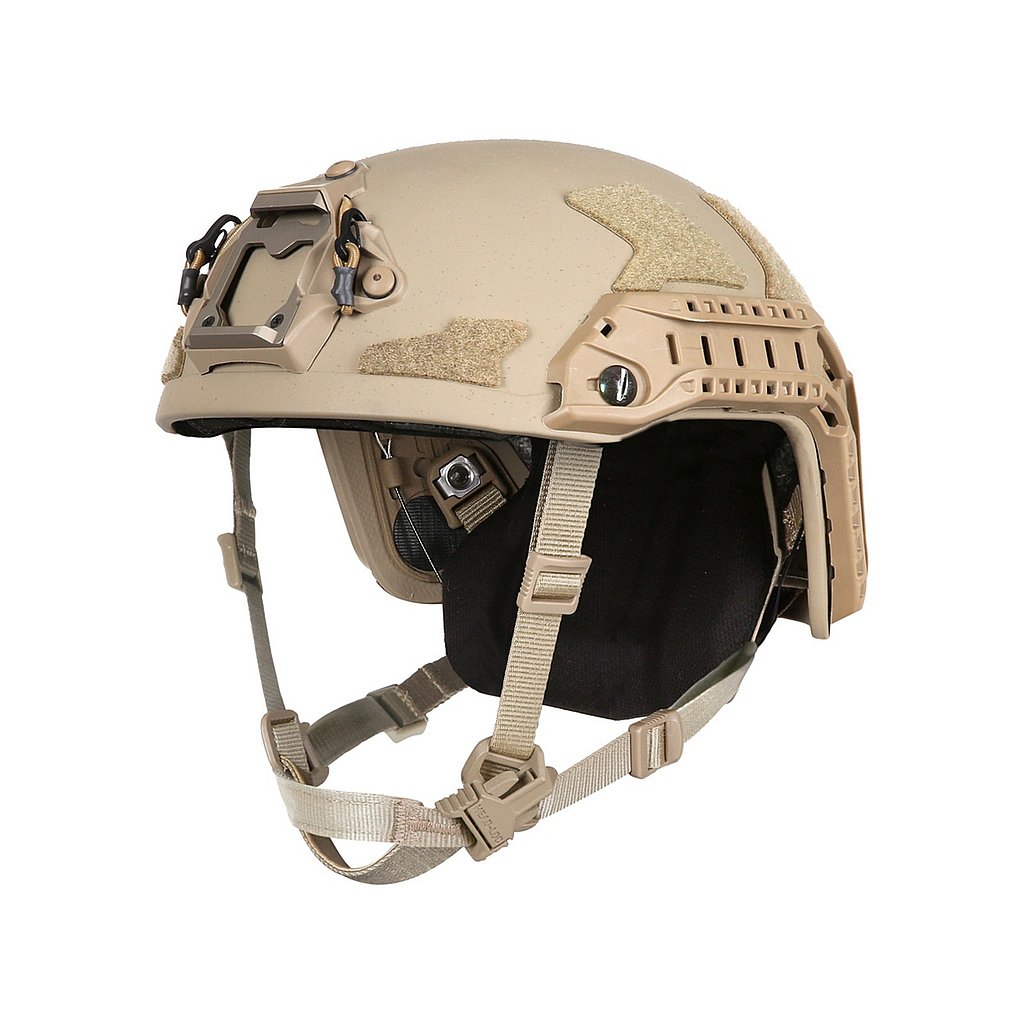
Ops-Core makes the FAST helmet, the high cut design most of the market has copied since. Ops-Core is part of Gentex Corporation, and its helmets are…
Ops-Core FAST SF Gen II vs PGD ARCH GEN3: Which High Cut Helmet to Buy
We carry two high cut ballistic helmets: the Ops-Core FAST SF Gen II and the PGD ARCH GEN3. Both are rated NIJ Level IIIA, both have…
Custom Soft Armor: How to Get Inserts That Actually Fit Your Carrier
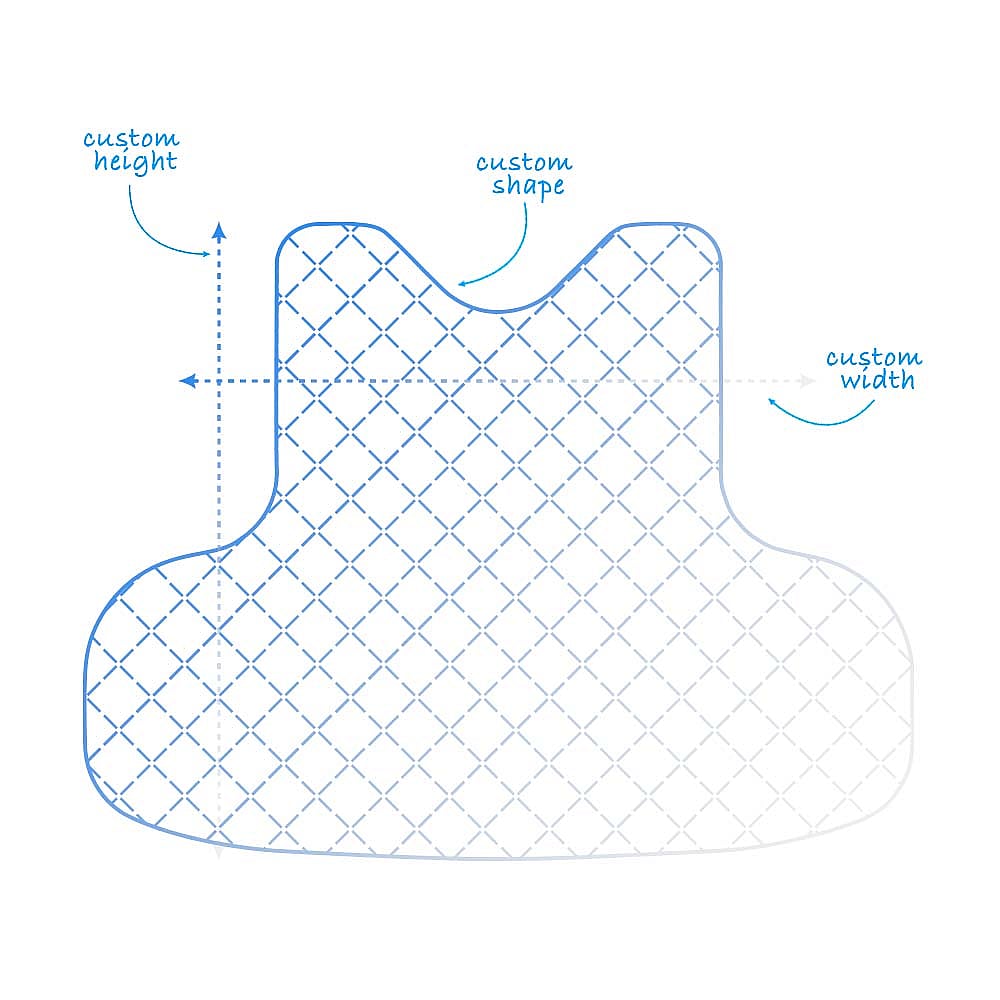
Most soft armor doesn't fit the carrier you actually own. Here's how our Custom Soft Armor program solves the fit problem and when to choose custom…