



Civilian Truck Rig: A Complete Plate Carrier Setup for Home Defense
A civilian truck rig is a plate carrier ready to deploy at a moment's notice. The Leap Plate Carrier Starter Kit is the simplest path: $299 for the complete carrier system, add plates and an IFAK.
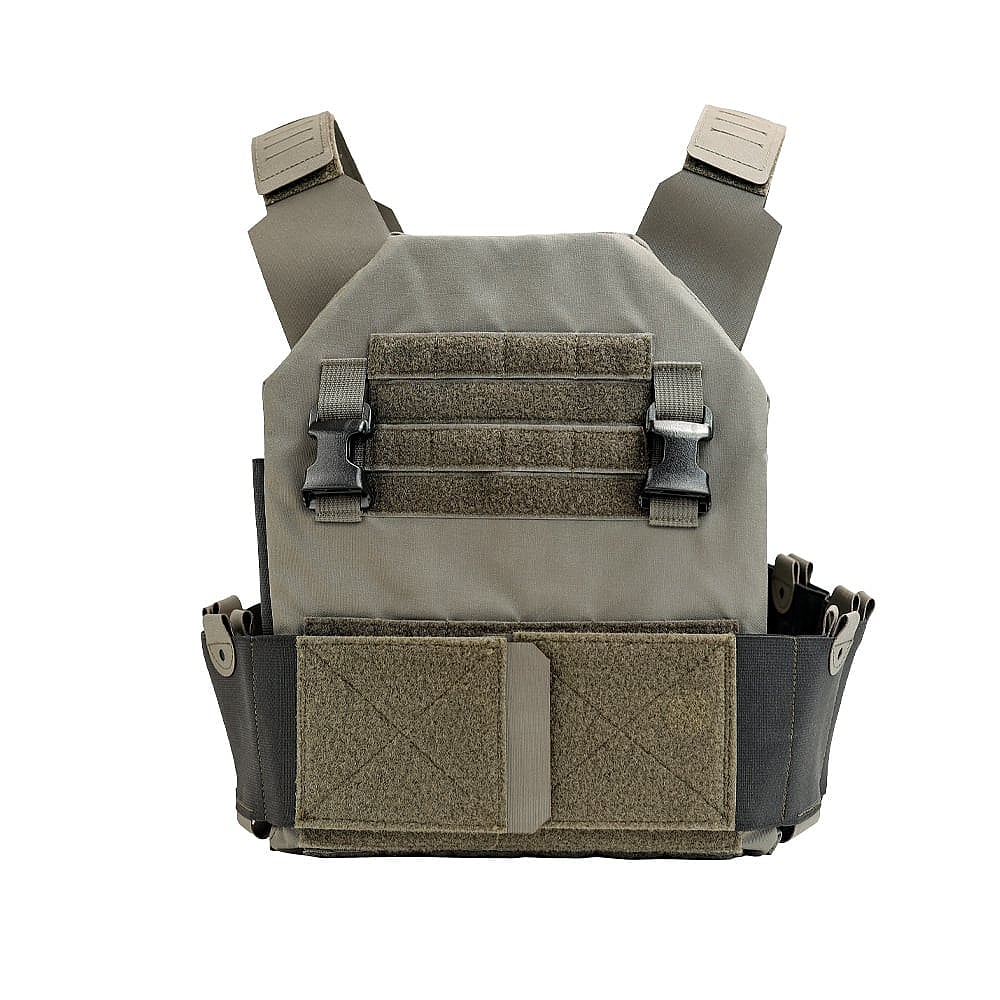
A truck rig is a plate carrier configured for civilian rifle response and home defense, kept ready to deploy at a moment’s notice. The name comes from how most civilians actually carry one: stowed in a truck, a closet by the front door, or next to a rifle in a safe. The truck rig is not worn daily; it is ready when needed. For most civilians who own a rifle for defensive purposes, a truck rig is the carrier setup that makes the rifle actually deployable in the scenario it was bought for.
This guide walks through what a civilian truck rig actually needs, how to build one without over-rigging, and why our Leap Plate Carrier Starter Kit is the most direct path for buyers who want one purchase to handle the whole carrier system.
The Easy Answer: Leap Plate Carrier Starter Kit
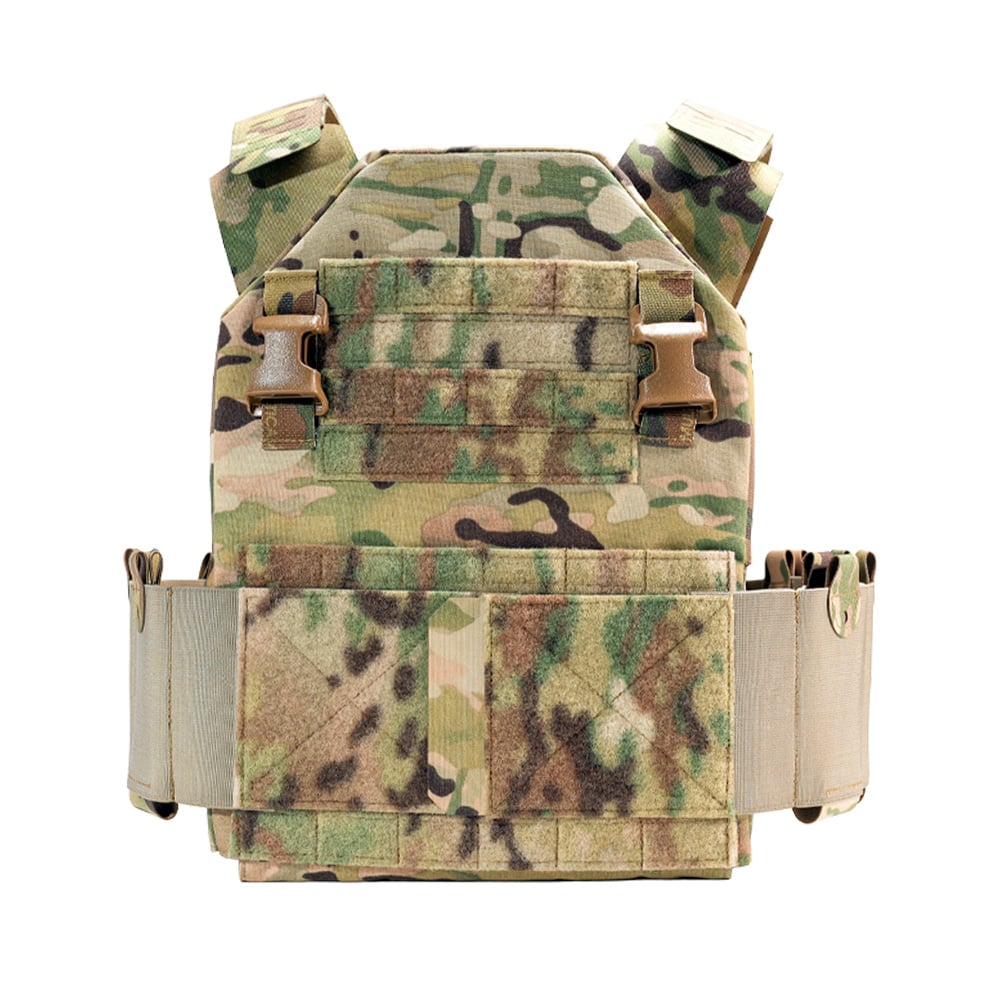
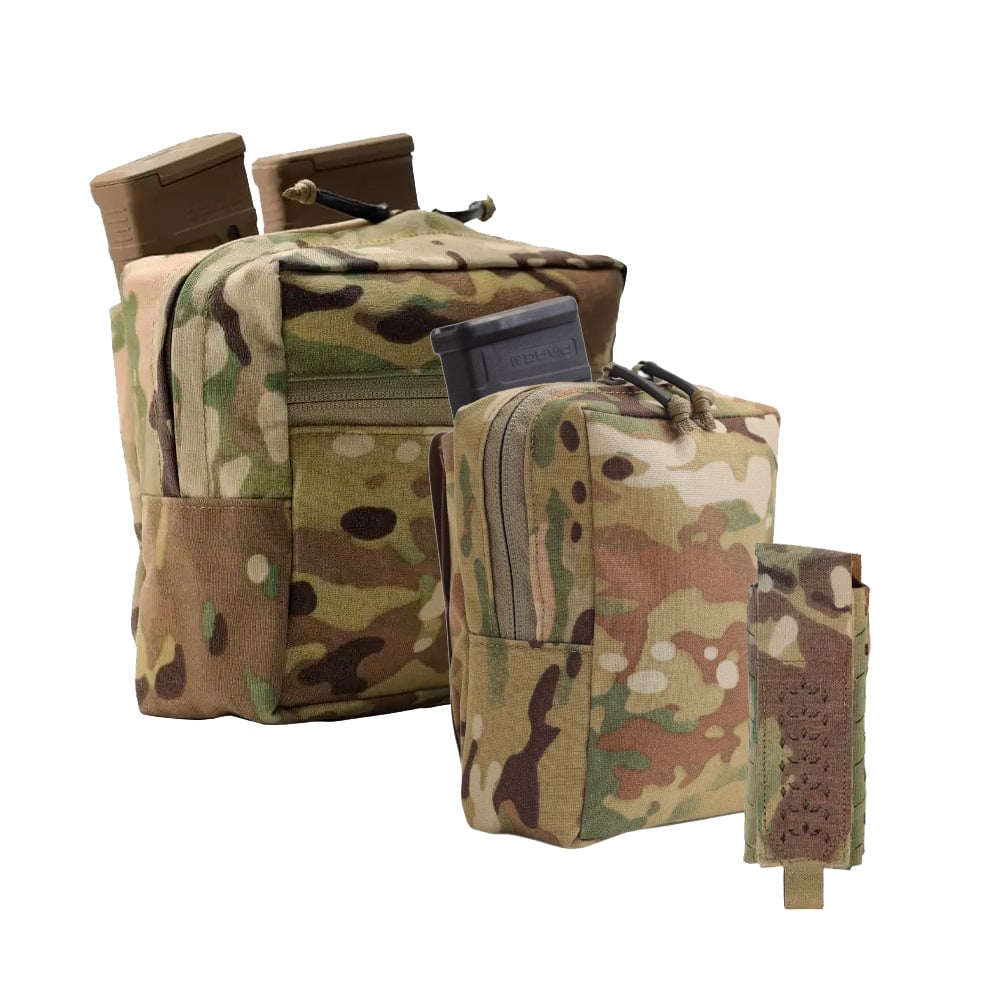
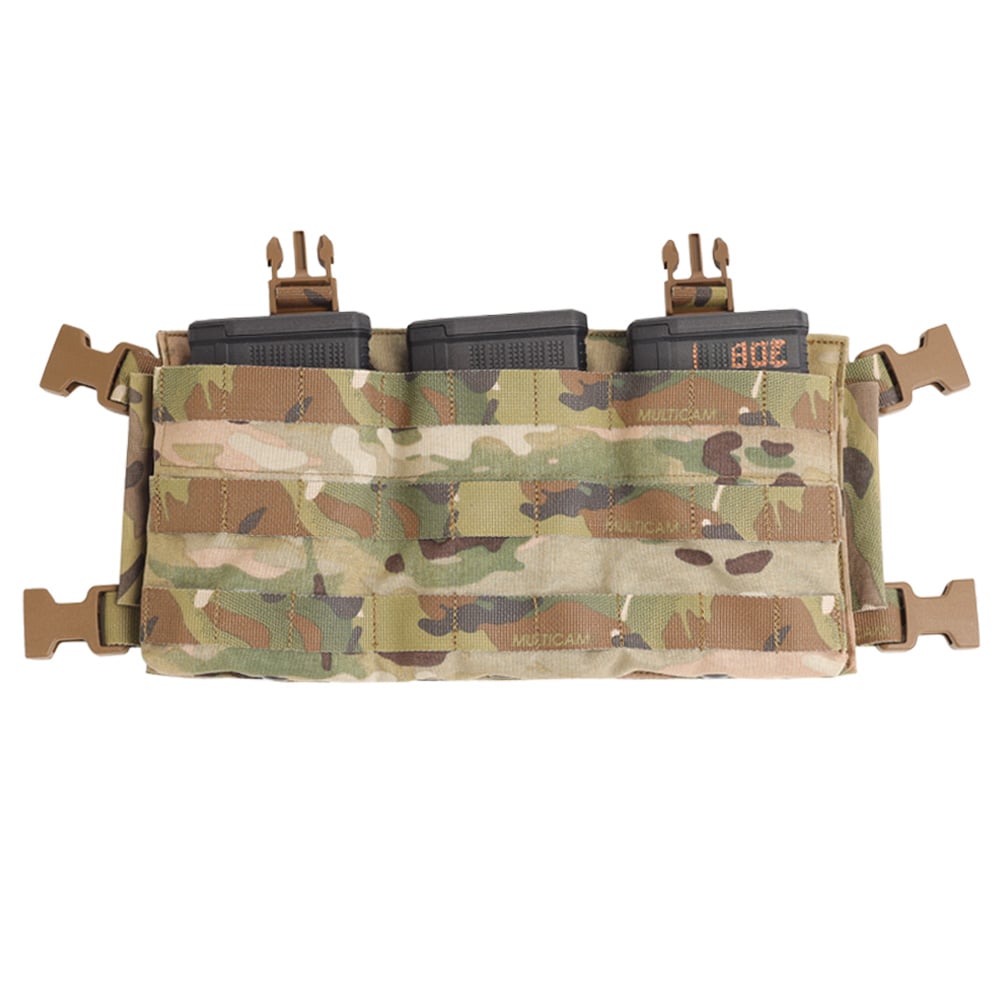
If you want the short version of this guide, here it is. The Leap Plate Carrier Starter Kit is the carrier-system foundation for most civilian truck rig builds. It includes the carrier front and back, a cummerbund (your choice of elastic or skeletal), a front MOLLE placard, a GP double mag pouch, a GP single mag pouch, and advanced padded shoulder covers. At $299 it lands at the right price point for civilians who want a complete carrier system without sourcing eight separate SKUs.
The kit does not include hard armor plates. You add plates based on the threat level you are configuring for, which is the right design decision because plate selection depends on your specific use case (handgun-only threat profile vs rifle threat, weight tolerance, budget, and willingness to manage ceramic plates carefully). The carrier system is the same regardless of which plates you choose, so the kit handles the carrier decision and leaves the plate decision separate.
For most civilian truck rig builds, this kit plus a pair of Level 3 or Level 4 hard plates plus an IFAK is a complete deployment-ready system. The rest of this guide is for buyers who want to understand the why behind each component, or who plan to add capability beyond the starter kit baseline.
What a Truck Rig Actually Needs
The biggest mistake in civilian truck rig builds is over-rigging. The military and LEO loadout patterns that dominate online tactical content are configured for sustained engagements: 6 rifle mags, full medical, comms gear, NVGs, water, sustainment supplies. A civilian truck rig is configured for a different scenario: respond to a home invasion or active threat, contain the situation until law enforcement arrives, get out of the way of responding officers.
That scenario does not require six magazines. It requires the carrier, plates that match your threat profile, two or three magazines, an IFAK in case anyone gets hit, and the ability to don the rig in under thirty seconds. Anything beyond that adds weight without adding capability.
The Carrier System
The carrier holds the plates and provides the mounting interface for everything else. For civilian truck rig use, you want a carrier that fits well, dons quickly, and accepts a small to moderate loadout without becoming bulky. The Leap is purpose-built for this profile: lightweight, fast to don, with a placard system that lets you scale capacity up or down without rebuilding the carrier.
The Starter Kit gives you the carrier in your color choice, the cummerbund style that fits your preference (elastic for comfort, skeletal for fewer pressure points and faster cooling), and the front placard plus mag pouches that handle the standard 2-3 rifle mag loadout most civilian builds settle on.
Hard Plates
Plate selection is where most civilian truck rig builds get the most decision paralysis. Three real options:
- Level 3 (III) hard plates: stop common rifle threats including 7.62×39 (AK) and 5.56 M193. Right for most civilian threat profiles. Lighter and less expensive than Level 4.
- Level 3+ plates: add coverage against the M855 5.56 green-tip round that defeats some Level 3 plates. Worth the small premium if you anticipate that specific threat.
- Level 4 (IV) hard plates: stop the .30-06 M2 AP armor-piercing round and almost everything below it. Right for buyers who want maximum protection and accept the weight.
For most civilian truck rig builds, Level 3+ plates are the right choice: the threat envelope covers all common rifle threats including the M855 round that some legacy Level 3 plates struggle with, the weight is manageable, and the price is below Level 4. We carry plates from LTC and Hesco that fit the Leap carrier directly.
For the full plate level discussion including the 0101.06 to 0101.07 transition, see our complete body armor guide.
IFAK (Non-Negotiable)
If you are building a truck rig, you should also have an IFAK on the rig or accessible alongside it. The presence of a firearm in any incident dramatically increases the chance someone needs immediate trauma care, and a truck rig without medical kit solves only half the problem.
For civilian truck rig builds, the Individual Bleeding Control Kit is the right starting IFAK. It includes a tourniquet, hemostatic gauze, vented chest seal, and gloves: the four items that handle the leading causes of preventable death from gunshot trauma. The kit mounts on the back of the cummerbund or on a wing of the carrier.
For full IFAK detail, see our complete IFAK guide.
Building Out From the Starter Kit
The Leap Starter Kit gets you the carrier system. The most common upgrades civilian buyers add to that baseline:
- Hard plates: Level 3+ or Level 4, paired in size to the Leap carrier (Medium SAPI cut for most adults).
- IFAK: Individual Bleeding Control Kit or IPOK depending on use case.
- Tourniquet holder: a dedicated belt-mount or carrier-mount holder so the tourniquet is immediately accessible without opening the IFAK pouch.
- Admin pouch: optional but useful — a pen, multitool, spare optic batteries, license/ID. The Admini Pouch is the minimalist option that fits the truck rig profile.
- Drop pouch: optional, only worth adding if you train sustained drills and want to retain magazines during reloads.
This is also where most civilian buyers stop. Six rifle mags, dump pouches, comms gear, NVGs, and full sustainment kit are LEO and military patterns. They are not wrong choices, but they are not the right choices for most civilian truck rig builds.
Where to Store the Truck Rig
The truck rig is only useful if you can deploy it fast. Three common storage approaches:
- Hung on a hook in the closet next to your home defense rifle. Fastest deployment. Works for most home defense scenarios.
- Stowed in a vehicle (the literal “truck rig” name origin). Useful for buyers who want the rig accessible during travel or remote work, and who do not want it visible at home. Watch for heat exposure in summer; UV and thermal cycling degrade soft components over time.
- Stored in the same safe as your home defense rifle. Most secure but slower deployment. The right choice if you have children at home or other reasons not to leave the rig accessible.
Whichever storage location you choose, practice donning the rig regularly. A truck rig you have never put on under stress is a rig you cannot rely on under stress. Set a timer; aim for under 30 seconds from “stationary” to “rig on, rifle in hand, ready to move.”
Common Truck Rig Mistakes
- Over-rigging: 6 rifle mags on a civilian rig that will never see a sustained engagement. Match capacity to the realistic scenario.
- Skipping the IFAK: easily the most common omission. The presence of a firearm in any incident makes medical kit a mandatory part of the system.
- Buying based on aesthetics: kit that looks great in photos but does not fit your actual threat profile ends up unused.
- Never training in the rig: a rig that has not been live-tested under stress will fail under stress.
- Overlooking storage location: a rig stored in the garage attic is a rig you will not deploy in the moment of need.
Bottom Line
For most civilians building a truck rig for home defense or rifle response, the simplest path is the Leap Plate Carrier Starter Kit at $299, plus a pair of Level 3+ or Level 4 hard plates from LTC or Hesco, plus an Individual Bleeding Control Kit for the medical side. That is the truck rig in three line items, and it covers the realistic scenario you would actually deploy it in.
For deeper detail on any single component, see our supporting guides: plate carriers, body armor selection, IFAKs, and plate carrier loadout.
FAQ
A truck rig is a plate carrier configured for civilian rifle response and home defense, stored ready to deploy rather than worn daily. The name comes from common storage practice (in a truck, by the front door, or next to a home defense rifle). For most civilians, a truck rig is the carrier setup that makes a defensive rifle actually deployable.
The Leap Plate Carrier Starter Kit covers the carrier system at $299. Hard plates add $200-$700 depending on level (Level 3 cheapest, Level 4 most expensive). An IFAK adds $70-$155. A complete truck rig runs $570 to $1,150 depending on plate selection and IFAK choice. Worth budgeting on the higher end if you want quality plates and a complete medical kit.
Most civilian threat profiles are well-covered by Level 3+ plates, which stop the M855 5.56 round and all common rifle threats. Level 4 adds coverage for armor-piercing rounds at additional cost and weight. Match the level to your realistic threat, not the worst-case scenario.
Two or three rifle magazines is plenty for most civilian truck rig scenarios. Most home defense incidents end at the first magazine. The Leap Starter Kit ships with a double mag pouch and a single mag pouch, which handles three magazines including the one in the rifle.
You can, but most civilians do not. A truck rig is configured around fast deployment, not all-day comfort under civilian clothing. If you want body armor for daily wear, look at concealed body armor rather than a truck rig. See our concealed body armor guide.
Closet next to your home defense rifle is the fastest deployment. Vehicle storage works if heat exposure is managed. Safe storage is most secure but slower. Pick the location that matches your specific threat scenario and household considerations.
In most US states, yes. Federal law restricts body armor ownership only for people with prior violent felony convictions. State-level restrictions exist in Connecticut, New York, and a few others. See our body armor legality guide for state-by-state details.
The Leap accepts standard SAPI-cut hard plates. Most adults run Medium SAPI plates (10×12 inches with the standard SAPI shoulder cut). LTC and Hesco both make plates sized for the Leap carrier; we can recommend specific plate models when you order.
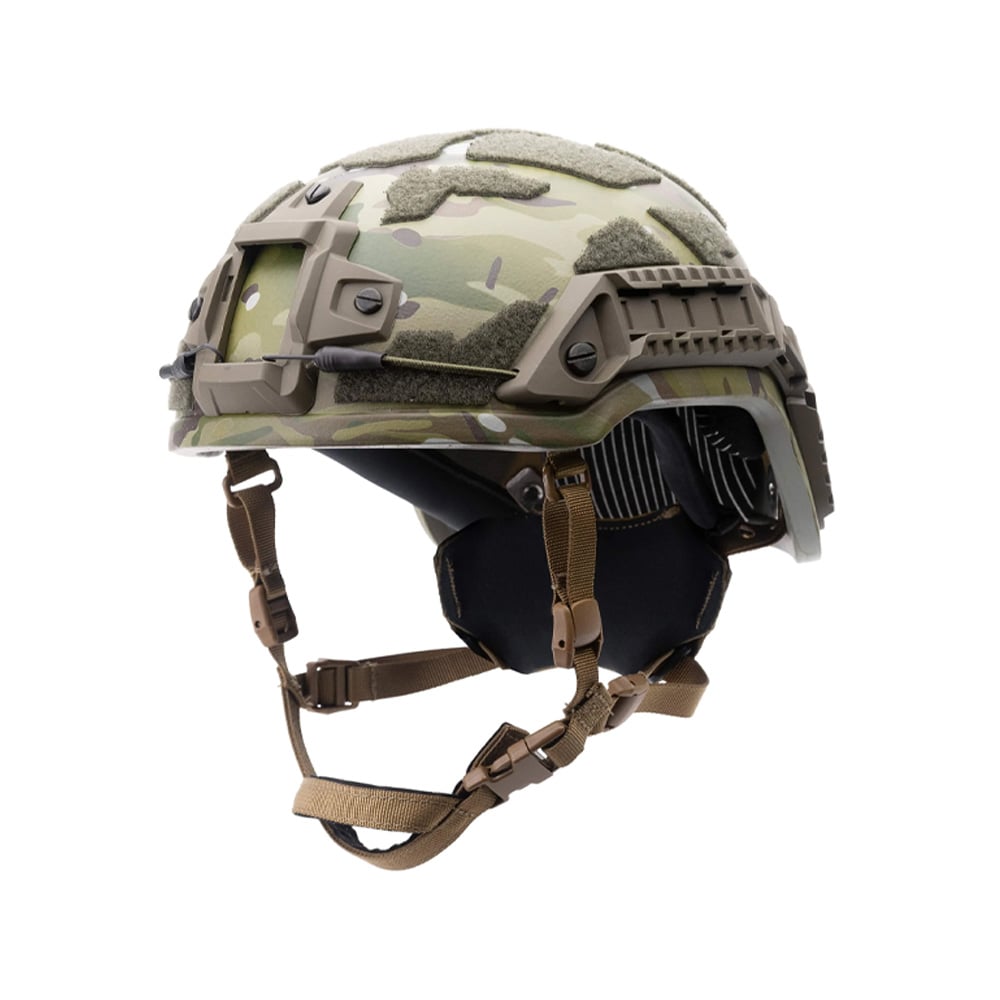
For civilian home defense, usually no. A helmet adds significant cost and the threat profile that justifies it (rifle-armed adversary specifically targeting your head) is rare. Skip the helmet for most civilian truck rig builds. If you want one, see our complete helmets guide.
Most adults fit a Medium-cut Leap with Medium SAPI plates. Sizing depends on torso length and chest circumference. Call us before ordering if you are between sizes; phone sizing guidance is faster than returns.
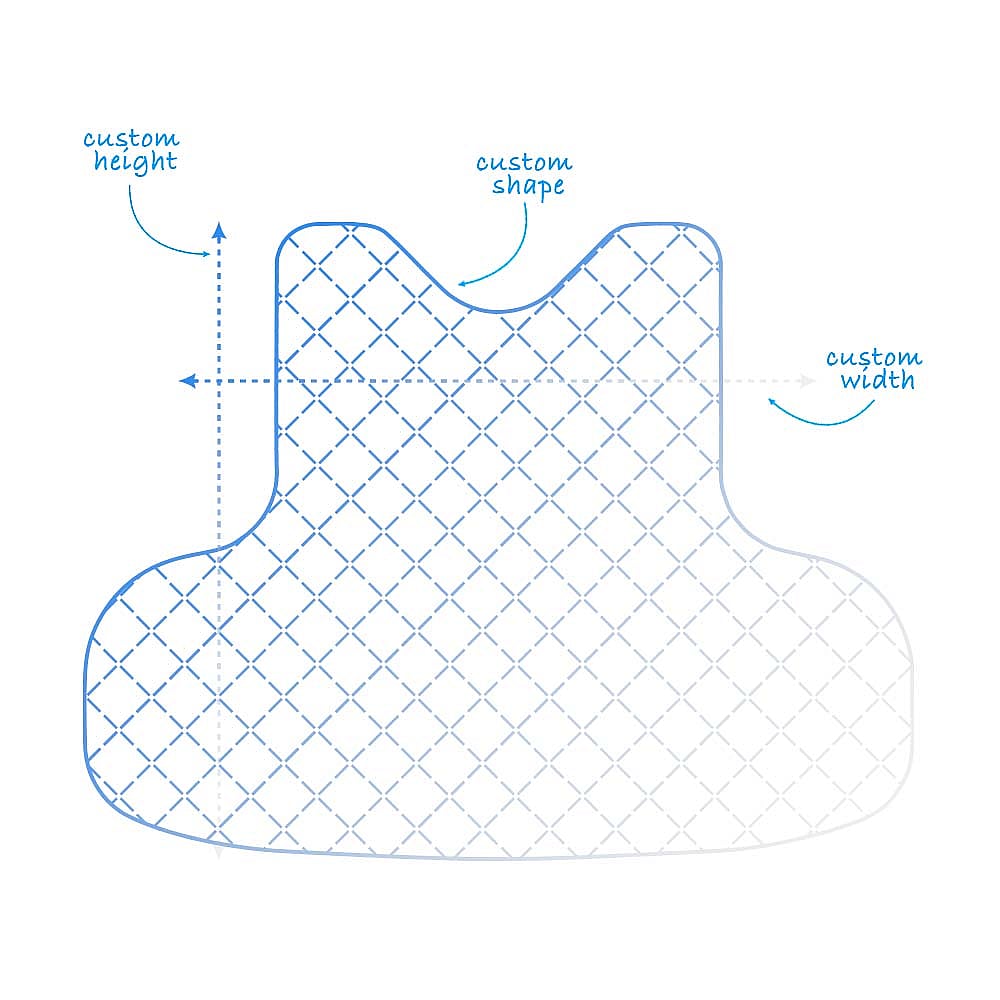
Custom Soft Armor: How to Get Inserts That Actually Fit Your Carrier
Most soft armor doesn't fit the carrier you actually own. Here's how our Custom Soft Armor program solves the fit problem and when to choose custom…
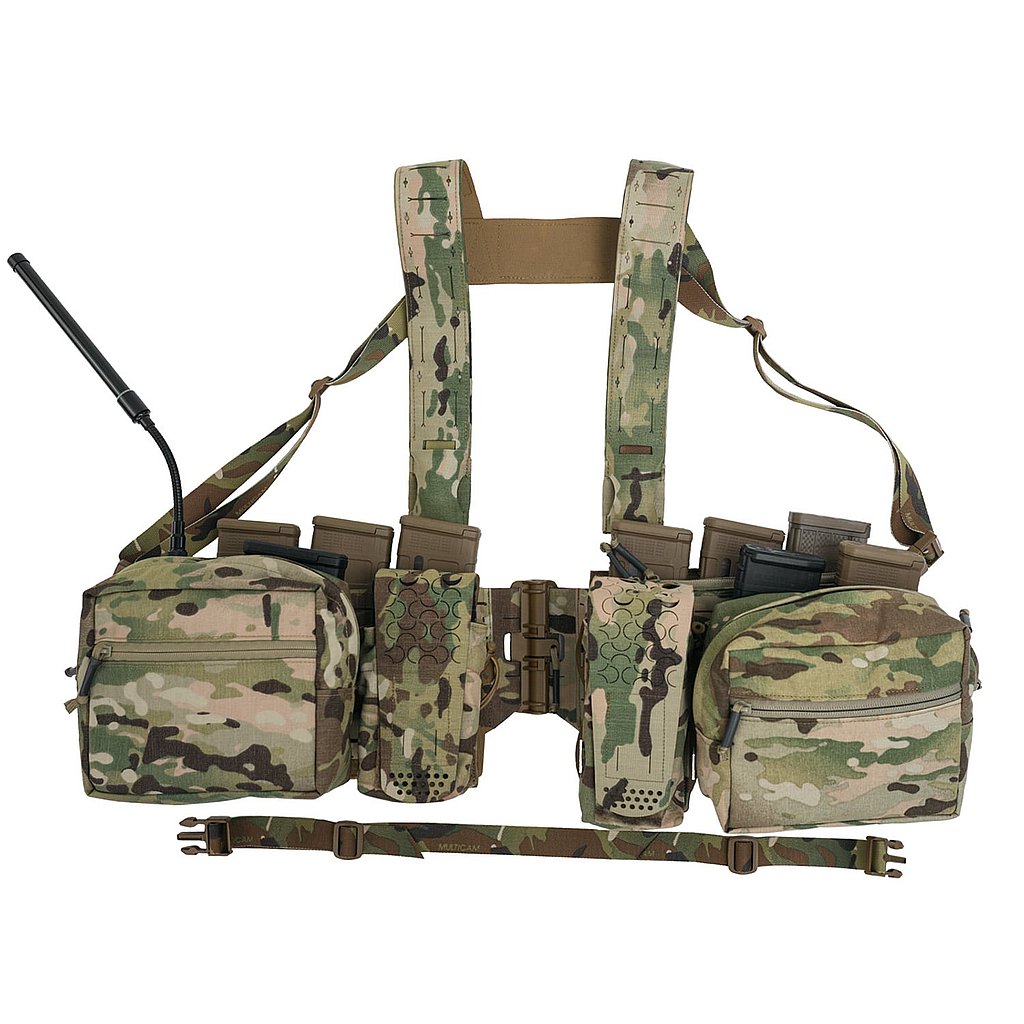
Layering a Chest Rig Over a Plate Carrier: When and How
Layering a chest rig over a plate carrier gives you ballistic protection plus high-capacity gear carriage. The SRV Split Chest Rig is purpose-built for this layered…
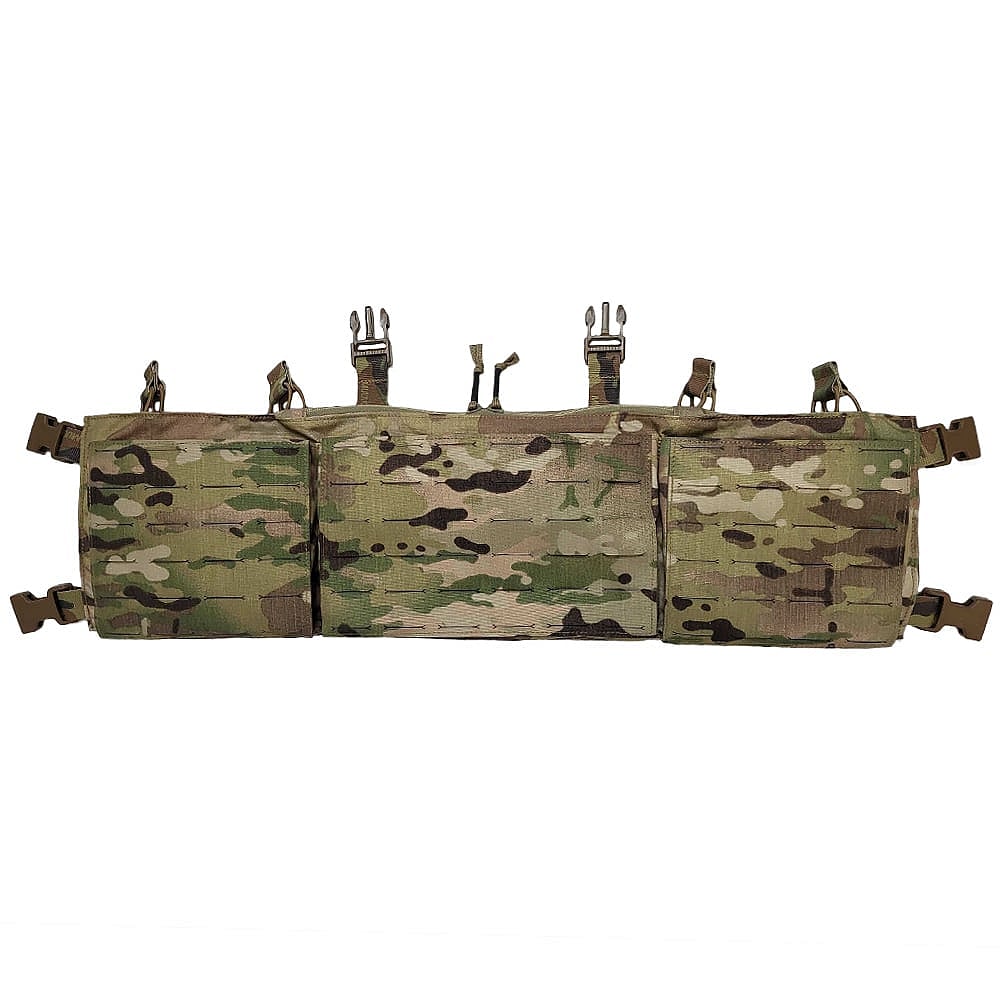
Best Chest Rig: How to Pick the Right Rig for Your Role
The best chest rig is the one that matches your role, mag count, and platform. Here is how to pick between continuous, modular, split, and minimalist…