



Ballistic Helmets: The Complete Guide to Cuts, Threat Levels, Fit, and Accessories
Ballistic helmets, bump helmets, cut types, threat levels, and accessory mounting. The complete buyer guide from Midwest Armor, featuring the PGD ARCH GEN3 high cut helmet plus the helmet covers, NVG shrouds, and retention upgrades we make and stock.
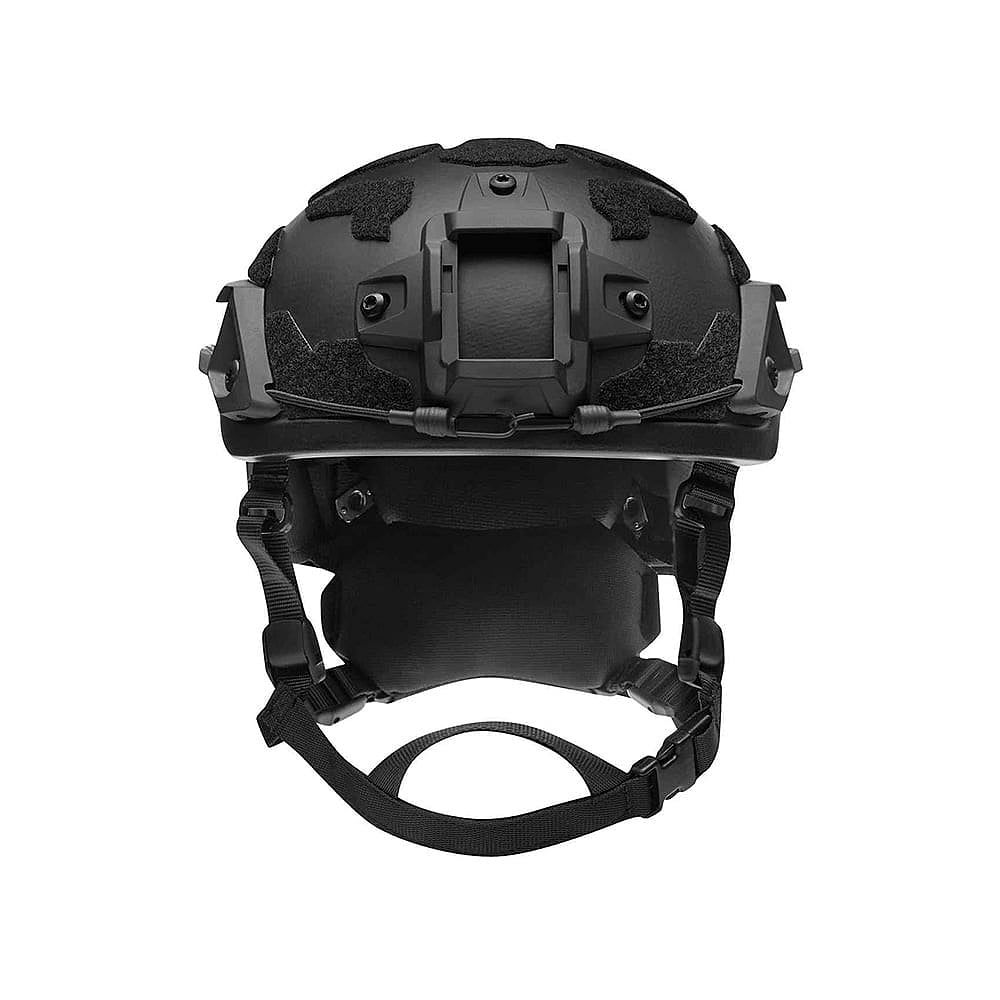
The right ballistic helmet protects you from fragmentation, secondary projectiles, and (in some cases) rifle threats. The wrong one is heavy, hot, badly fitted, and ends up in a closet. After more than a decade of selling tactical gear to law enforcement, military, federal agencies, and serious civilian buyers, we have seen most of the mistakes that get made when buyers shop on price alone or buzzwords alone. This guide walks through every decision that matters: cut type, threat level, weight, retention, accessory mounting, and how to think about platform compatibility.
If you are shopping for your first ballistic helmet, read top to bottom. If you are upgrading from an existing helmet, the section on cut types and the accessory section are where most buyers find the answer they were missing.
Ballistic Helmets vs Bump Helmets: Pick the Right Category First
Before you compare cut types, brands, or threat levels, decide whether you actually need a ballistic helmet at all. The two categories solve different problems.
Ballistic Helmets
A ballistic helmet (sometimes called a kevlar helmet, military helmet, or bulletproof helmet) is built from layered aramid (Kevlar) or UHMWPE composites and is rated to stop fragmentation and small-arms threats. The terms get used interchangeably online, but they all refer to the same category of protective shell built around ballistic-rated material. Most ballistic helmets on the market are rated to NIJ Level 3A (IIIA), which stops common pistol calibers and fragmentation up to a defined velocity envelope. Ballistic helmets are heavier (2.5 to 4 lb depending on cut and material) and significantly more expensive than bump helmets.
Buy a ballistic helmet if: you are LEO, military, private security, executive protection, or a civilian who has a credible reason to expect handgun threats or fragmentation in your operating environment. Ballistic helmets are also the right choice if you intend to mount real night vision or active illumination, because the durability of a ballistic shell handles those mounting loads better than a polymer bump shell.
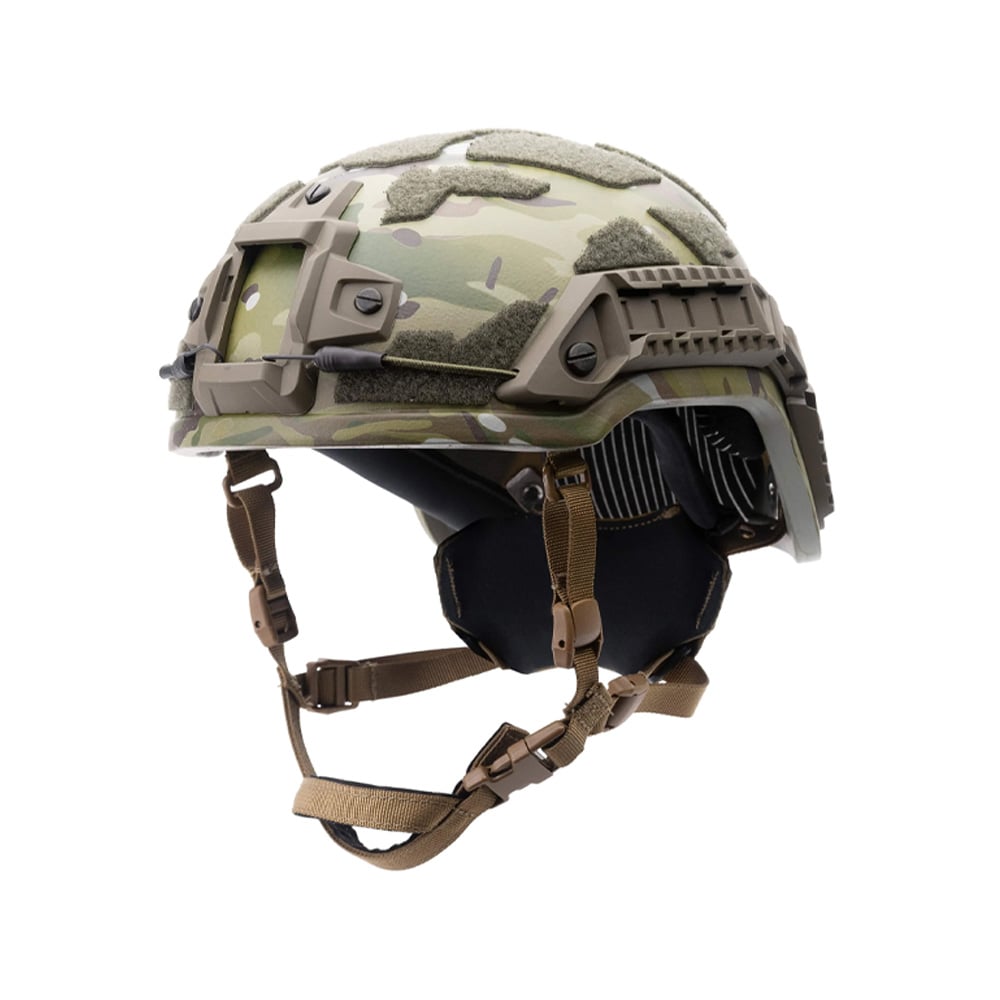
Our ballistic helmet pick: the PGD ARCH GEN3. Manufactured by Protection Group Denmark in Europe to NIJ Level 3A, available in high cut, with rail and shroud compatibility for accessory mounting. We carry the ARCH GEN3 because the build quality, fit, and accessory ecosystem compete head-to-head with American premium options at a more reasonable price point. If you want the original high cut and the lightest system, we also carry the Ops-Core FAST SF Gen II.
Bump Helmets
A bump helmet is a non-ballistic shell, usually polymer or composite, that protects against impact (falling debris, low ceilings, vehicle ingress, climbing falls) but is not rated to stop bullets or fragmentation. Bump helmets are lighter (1.0 to 1.8 lb), substantially cheaper, and accept the same accessory mounts (NVG shroud, rails, lights) as their ballistic counterparts.
Buy a bump helmet if: you are training, doing airsoft or force-on-force, breaching practice, climbing, or any other context where impact protection matters but ballistic threats do not. Bump helmets are also a smart purchase as a training shell to preserve your ballistic helmet from accessory wear and tear.
One pattern we see often: a serious user owns one ballistic helmet for live operations and one bump helmet for training. The bump takes the daily abuse, the ballistic stays clean and ready. We do not stock bump helmets right now. Call or email us and we will help you match one to the ballistic helmet you run.
Helmet Cut Types: Full, Mid, and High Cut Explained
The biggest decision after ballistic vs bump is cut type. The cut determines how much of your head the helmet covers, how much it weighs, how it interacts with hearing protection and communications, and ultimately how it feels after eight hours of wear.
Full Cut Helmets
Full cut helmets cover the most surface area: the crown, the temples, around the ears, and partway down the back of the head. They are the heaviest cut type and offer the most ballistic coverage. Full cut is the traditional military pattern (think the older PASGT shell shape) and is still the standard for combat infantry roles where ballistic coverage outweighs weight and comms compatibility.
Pick full cut if: you are a military or LEO role with mandated coverage requirements, you do not need over-the-ear active hearing protection that interfaces with the helmet, or your threat profile favors maximum ballistic coverage over comms integration. We do not currently stock full cut ballistic helmets; for most modern buyers, high cut with active hearing protection is the better answer.
Mid Cut Helmets
Mid cut helmets sit between full and high cut. They retain some side coverage but trim away material around the ears so over-the-ear hearing protection (Peltor ComTac, Ops-Core AMP, MSA Sordin) fits without interfering with the helmet shell. Mid cut is the original Advanced Combat Helmet (ACH) profile fielded by US forces and is still common in patrol and tactical roles where active hearing protection is essential but full ballistic coverage is preferred over the lightweight high cut.
Pick mid cut if: you want the comms compatibility of high cut without giving up as much ballistic coverage. We do not currently stock mid cut helmets either; the same logic applies as full cut.
High Cut Helmets
High cut helmets are the lightest, the most accessory-friendly, and the most popular cut type sold today. The shell is trimmed dramatically around the ears, leaving room for over-the-ear comms, active hearing protection, and side rails for lights and counterweights. High cut helmets dominate the special operations and tier-one civilian market because they are the cut type most compatible with how modern operators actually fight: with comms, with night vision, with lights, with active hearing protection.
The PGD ARCH GEN3 is our value high cut option. The shell is rated to NIJ Level 3A, ships with a built-in NVG shroud and ARC rails for accessories, and accepts all the same standard mounts as American premium high cut shells. The ARCH geometry sometimes fits buyers better than competing American shells. For the lightest high cut we carry, see the Ops-Core FAST SF Gen II below.
Pick high cut if: you run comms, hearing protection, or NVGs as part of your standard load. For most civilian and tactical buyers, high cut is the right answer.
Threat Levels: What Ballistic Helmets Actually Stop
Ballistic helmets are tested under either the legacy NIJ 0106.01 standard for helmet ballistic resistance, or under the more recent body armor standard NIJ 0101.06 applied to helmets, or under military V50 fragmentation testing. Most helmets on the market list multiple ratings. Here is what each common rating means in practice.
NIJ Level 3A (IIIA)
Stops common handgun threats including 9mm, .357 Magnum, and .44 Magnum at standard velocities. The most common ballistic helmet rating on the market and the rating on the PGD ARCH GEN3.
Special Threat / Rifle-Resistant
A small subset of premium helmets are rated for rifle threats. These helmets are heavier, more expensive, and reserved for roles where rifle threats are credible. Most buyers do not need rifle-rated helmets. If you have a documented requirement for rifle resistance (federal protective service, executive protection in a specific risk environment, military operator with documented rifle exposure), reach out to us and we can source rifle-rated options on a special order basis.
Fragmentation V50
Fragmentation testing measures the velocity at which 50% of test fragments penetrate the helmet (V50). Most modern ballistic helmets exceed 2,000 ft/s V50 against 17-grain FSP (Fragment Simulating Projectile). This is the metric that matters most for combat use, since fragmentation from explosive devices is a more common battlefield threat than direct small arms fire on the head.
Major Helmet Platforms: ACH, MICH, FAST, and PASGT Explained
You will see helmets described by platform name in addition to cut type. Here is what those platform names actually mean.
PASGT
PASGT (Personnel Armor System for Ground Troops) is the original modern combat army helmet, fielded by the US military from the early 1980s through the early 2000s. The PASGT shape is the classic full cut Fritz silhouette. Most PASGT helmets are now retired or sold surplus.
ACH (Advanced Combat Helmet) and MICH
ACH replaced PASGT in the early 2000s. ACH helmets are mid cut by default, lighter than PASGT, and accept the standard 4-hole NVG shroud. MICH (Modular Integrated Communications Helmet) is the original SOCOM-derived shell that became the basis for the ACH program. The terms MICH, ACH, and (in some catalogs) ACH/MICH are often used interchangeably for mid cut helmet shells. The PGD ARCH/MICH Helmet Rails are a popular accessory upgrade for adding side rails and NVG mounts to legacy MICH or ACH shells.
FAST (Future Assault Shell Technology)
FAST (Future Assault Shell Technology) is the high cut platform from Ops-Core, part of Gentex Corporation. USSOCOM selected the FAST SF for its family of tactical headborne systems in 2019. FAST helmets are lightweight, high cut, and designed from the ground up for accessory integration: rails for lights and counterweights, NVG shroud at the front, and minimal coverage around the ears for comms compatibility. The Ops-Core FAST set the template the rest of the high cut market (including the PGD ARCH GEN3) follows. We carry the current FAST SF Gen II: NIJ Level IIIA, 2.09 lbs as a complete size Large system, with PowerPath ARC rails. For night vision, add the Ops-Core Helmet Counterweight on the back. If you already own a FAST shell, the Ops-Core FAST Helmet Cover we make is sized to fit it.
PGD ARCH
PGD ARCH is Protection Group Denmark’s modern high cut platform, now in its third generation (GEN3). The PGD ARCH GEN3 is competitively priced and offers a slightly different shell geometry than American FAST shells; some buyers find it fits their head shape better. The accessory ecosystem (rails, NVG mount, retention dial, helmet cover) is fully supported.
Sizing and Retention: Why Most Buyers Get This Wrong
A correctly sized helmet sits level on your head, two finger-widths above your eyebrows, with the chin strap snug enough that you can fit two fingers under it. The helmet should not move when you shake your head. Most buyers oversize their helmets because the small size feels tight initially; this is wrong. A helmet that is too large will rotate forward when you run, fall forward when you look down, and ride up when you wear comms underneath.
Measure your head circumference at the widest point (around the forehead and the back of the skull) and match to the manufacturer’s size chart. Most adults are size Medium or Large. Check the specific chart for the helmet you are buying, since manufacturers use slightly different size cut-offs.
Retention System Upgrades
The retention system is the chinstrap and harness that holds the helmet on your head. Most ballistic helmets ship with H-Nape or Wendy Cap retention by default. The PGD Helmet Dial Retention System is a major comfort upgrade: a single rear dial adjusts the fit similar to a hard hat, eliminating the need to micro-adjust four separate strap points. For users who wear their helmet for long shifts, the dial retention is the single best comfort upgrade you can make.
Padding and Liner Systems
The pad system inside the helmet handles impact dispersion and comfort. Stock pad systems are usually adequate. For users in vehicle ingress/egress roles, breach training, or anyone who expects repeated impacts, the D3O Halo Helmet Liner System upgrades the impact protection significantly using D3O’s reactive polymer technology (the same material in motorcycle armor and high-end athletic gear). The Halo is the right upgrade for buyers whose helmet sees regular bump or impact loads, and it works in both ballistic helmets and bump helmets.
Accessories: NVGs, Rails, Lights, and Helmet Covers
Modern helmets are platforms. The shell is just the starting point. Most buyers will eventually mount NVGs, lights, comms, and counterweights. Here is what to know.
NVG Shrouds
Every modern ballistic helmet ships with a 3-hole or 4-hole NVG shroud at the front. The shroud accepts a Wilcox L4 G24, Norotos NVG mount, or aftermarket equivalent. The Unity SUMMIT Shroud is our recommended NVG shroud upgrade. Built by Unity Tactical, the SUMMIT is engineered for tighter NVG retention and reduced wobble compared to stock shrouds, which matters when you are running real night vision (PVS-14, BNVDs, GPNVGs) and even small amounts of slop in the mount add up over a long shift.
Side Rails
Side rails (ARC rails, Ops-Core M-LOK rails, or similar) mount on the sides of high cut helmets and accept lights, counterweights, ear-pro brackets, and IR strobes. Most modern high cut helmets ship with side rails included, including the PGD ARCH GEN3. For older shells without rails, the PGD ARCH/MICH rails are an aftermarket upgrade option.
Helmet Covers
Helmet covers protect the shell from scuffs, provide IR-defeat surfaces, and accept patches and IR strobes. We make several covers in Knoxville:
- Helmet Cover With Retention System: our universal helmet cover with integrated retention to keep it secure on the shell
- Ops-Core FAST Helmet Cover: cut for Ops-Core FAST shells
- Ghillie Scrim Helmet Cover: for buyers who need foliage-defeat camouflage for hunting, sniping, or recon work
All covers are cut and sewn in Knoxville from Berry Compliant Cordura with American hardware.
How to Buy
Most ballistic helmets are non-returnable for safety and warranty reasons, so the right time to ask questions is before you order. We answer the phone in Knoxville, and we will help you size, match cut type to role, and identify the right configuration for your use case. If you are a department or agency buyer, we offer government and quantity pricing.
Browse our full helmet and accessory lineup at our helmets category. Our recommended starting point for most buyers is the PGD ARCH GEN3 (or the Ops-Core FAST SF Gen II if weight comes first) plus the PGD Dial Retention upgrade and a Midwest Armor helmet cover. Reach out if you need rifle-rated options, full or mid cut shells, or special-order configurations not on the site.
FAQ
Most modern Level 3A ballistic helmets weigh 2.5 to 3.5 lb depending on cut and material. High cut helmets are lightest (around 2.5 to 2.8 lb for size Large), full cut helmets are heaviest (3.0 to 3.5 lb). Lightweight composite shells shave another 0.3 to 0.5 lb off the standard weight. Rifle-rated helmets are heavier (around 4 lb).
Most manufacturers warrant ballistic helmet performance for 5 to 10 years from manufacture date. The aramid fibers degrade slowly with UV exposure, heat, and moisture. A helmet stored in a closet will last longer than one carried on every patrol shift. Inspect the shell annually for cracks, delamination, or impact damage.
No helmet is bulletproof. Level 3A helmets are rated to stop common handgun threats and fragmentation up to a defined velocity envelope. Most ballistic helmets, including the PGD ARCH GEN3, are not rated for rifle threats. If you specifically need rifle resistance, reach out to us about special-order rifle-rated options. Even rated helmets can fail under threats above their rating, so threat matching is the most important decision you make.
A single drop from helmet height onto a hard surface usually does not compromise ballistic performance, but it can damage the shell finish, the NVG shroud, or the rails. Repeated impacts (training, vehicle ingress, breaching) accumulate damage. Inspect the shell carefully after any significant impact and consider a D3O Halo liner if your role involves regular impacts.
You need full retention for any role where the helmet might be displaced (running, vehicle work, breaching, falling, ground fighting). A simple chinstrap is fine for static patrol or executive protection where the helmet is unlikely to be knocked off. The PGD Dial Retention is more comfortable than basic chinstrap retention for extended wear and is the upgrade we recommend most often.
Measure your head circumference at the widest point and match to the manufacturer size chart. Most adults are Medium or Large. Do not oversize; a helmet that is too large will rotate, fall forward, and shift when you run. A correctly sized helmet sits level, two fingers above your eyebrows, snug but not painful.
Both are high cut ballistic helmets, both are Level 3A rated, both accept the same accessory mounting standards (rails, NVG shrouds). The main differences are weight (the FAST SF Gen II is 2.09 lbs as a complete size Large system, the ARCH GEN3 is listed at 2.98 lbs), shell geometry and price ($1,800 against $599). The full side by side is in FAST SF Gen II vs PGD ARCH GEN3.
The shroud is what holds the NVG mount. If your helmet does not have a shroud, you would need to install one yourself, which usually requires drilling new holes in the shell and voids the manufacturer warranty on most ballistic helmets. The PGD ARCH GEN3 ships with a built-in shroud, and we sell the Unity SUMMIT as an upgrade for tighter NVG retention.
SOCOM units use a mix of helmets depending on the unit, mission, and timeframe. Units do not publicly list their equipment. What is on the record: in 2019 USSOCOM selected the Ops-Core FAST SF for its family of tactical headborne systems. For a personal purchase, the FAST SF Gen II is the same family, and the PGD ARCH GEN3 is a strong lower cost option in the same class.
Wipe the exterior with a damp cloth and mild soap. Do not soak the helmet. Do not use solvents, harsh cleaners, or bleach. The pads and chinstrap usually remove for separate washing. UV exposure (storing the helmet in direct sunlight, leaving it on the dashboard of a vehicle) will degrade the aramid fibers; store the helmet in a cool, dry, dark place when not in use.
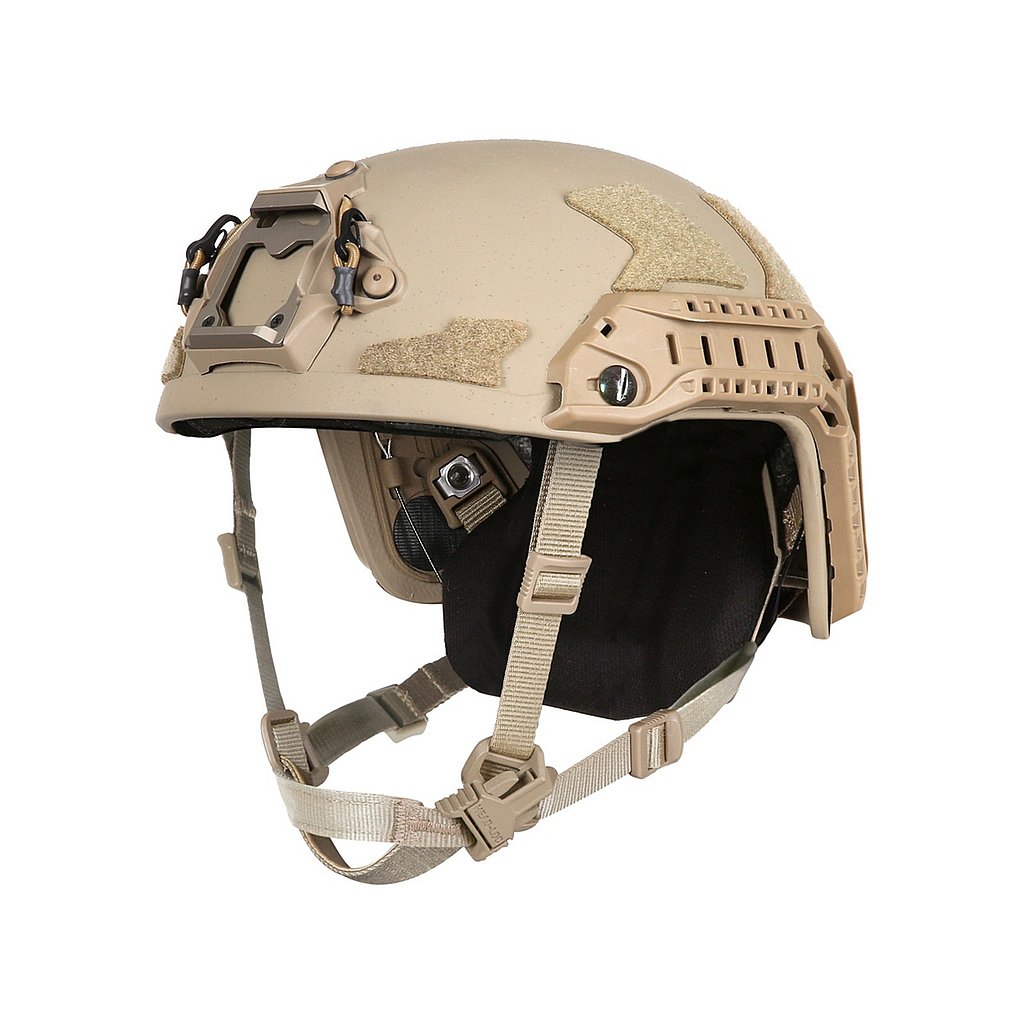
Ops-Core FAST SF Gen II Guide: Sizing, Weight, Protection and Setup
Ops-Core makes the FAST helmet, the high cut design most of the market has copied since. Ops-Core is part of Gentex Corporation, and its helmets are…
Ops-Core FAST SF Gen II vs PGD ARCH GEN3: Which High Cut Helmet to Buy
We carry two high cut ballistic helmets: the Ops-Core FAST SF Gen II and the PGD ARCH GEN3. Both are rated NIJ Level IIIA, both have…
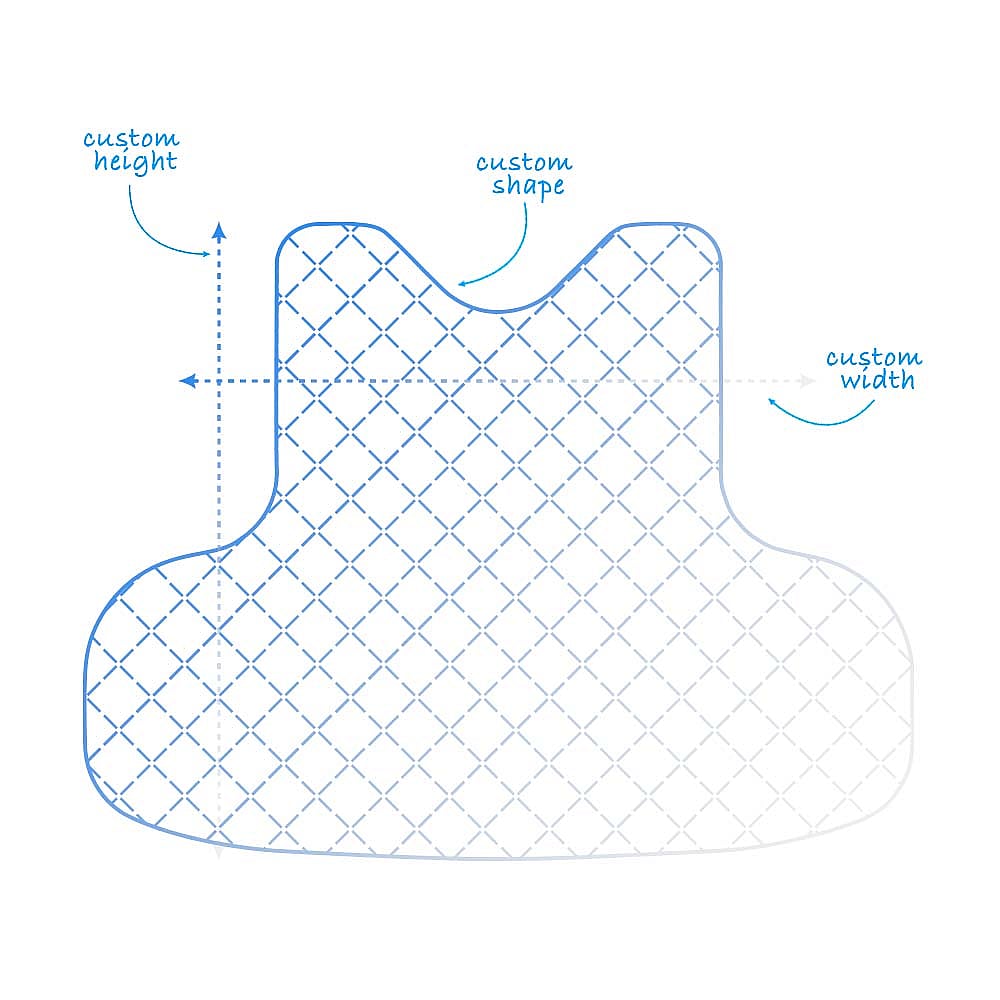
Custom Soft Armor: How to Get Inserts That Actually Fit Your Carrier
Most soft armor doesn't fit the carrier you actually own. Here's how our Custom Soft Armor program solves the fit problem and when to choose custom…