



Guides
LTC Plates: The Complete Lineup and How to Choose
LTC plates explained: the Level IV, Level III, and special threat lineup from Leading Technology Composites, how they compare, and how to…
Deep guides on body armor, plate carriers, pouches, and the gear we build. Written from over a decade of designing and testing this stuff.
LTC plates explained: the Level IV, Level III, and special threat lineup from Leading Technology Composites, how they compare, and how to…
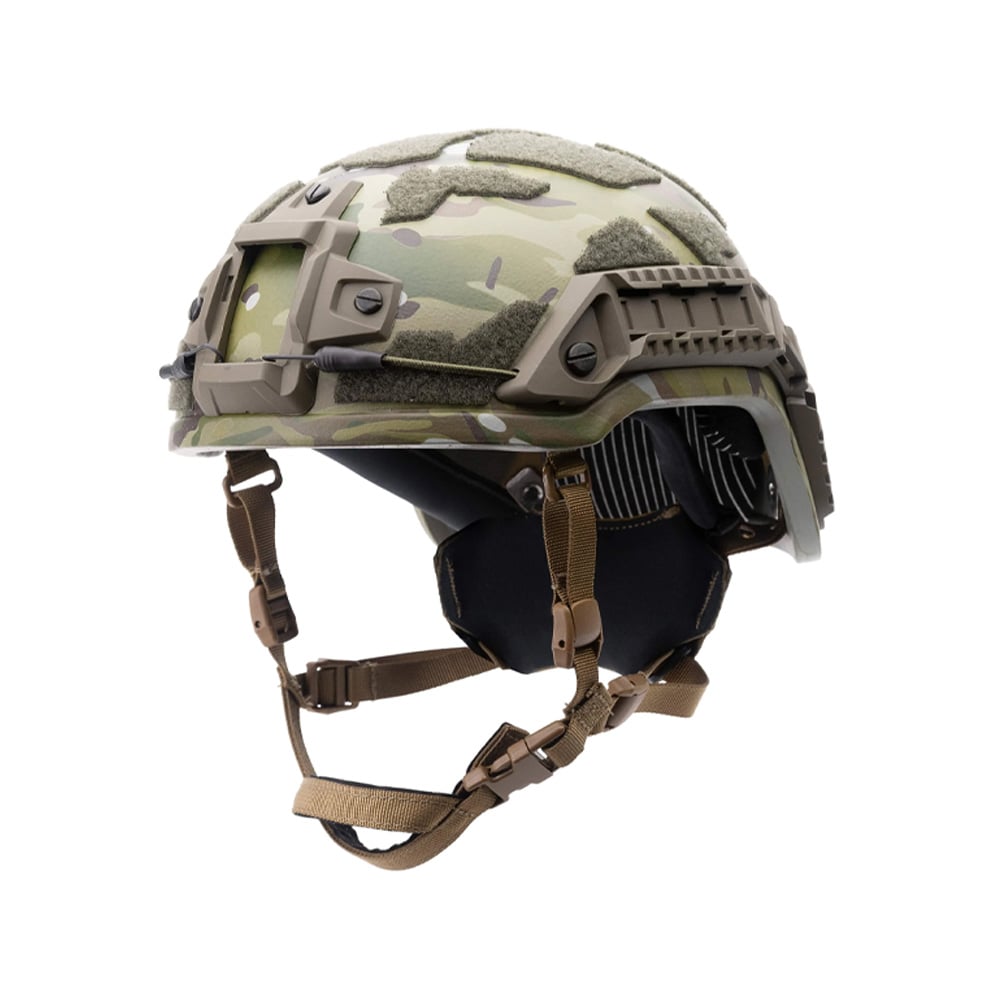
Helmet accessories and setup: rails, covers, pads, retention systems, and NVG mounts. How to build out a ballistic or bump helmet the…
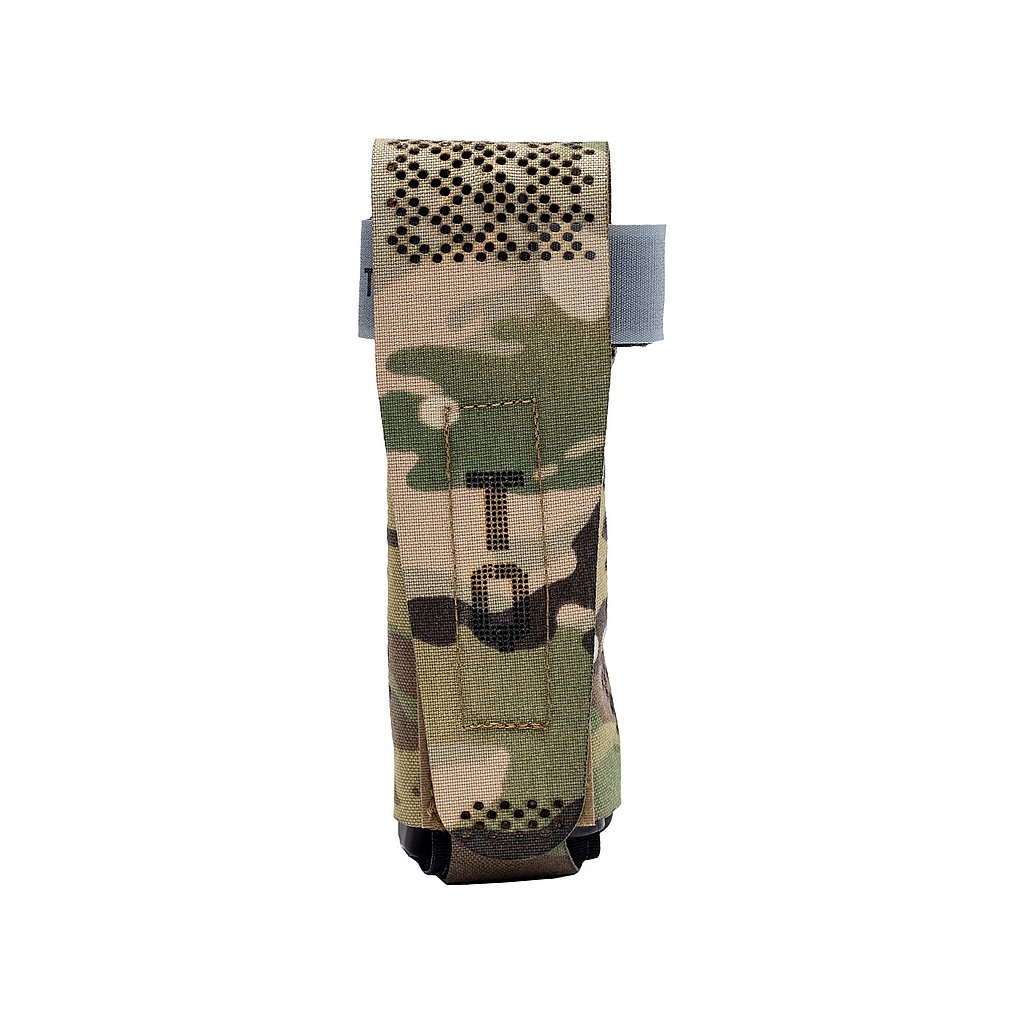
A tourniquet holder keeps your TQ accessible in seconds when it matters. Here is how to choose between rigid cases, elastic holders,…
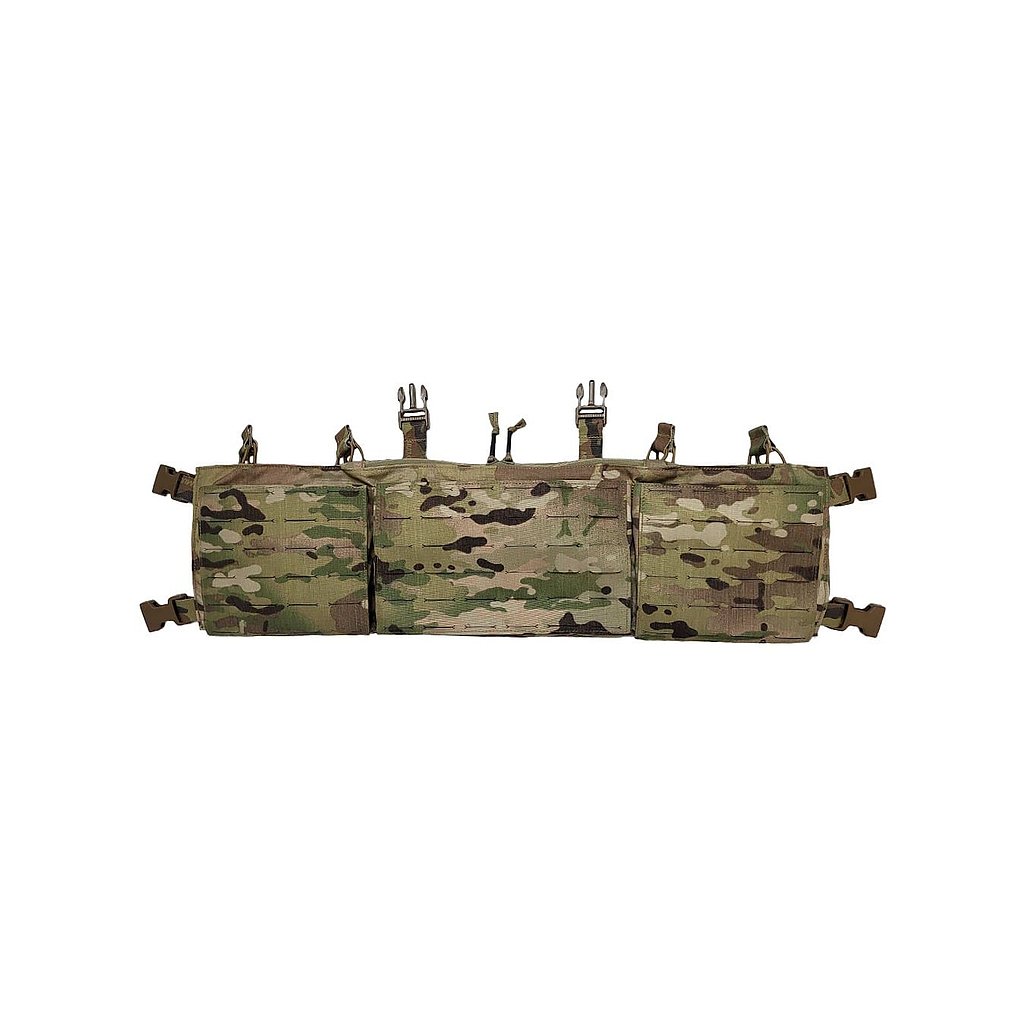
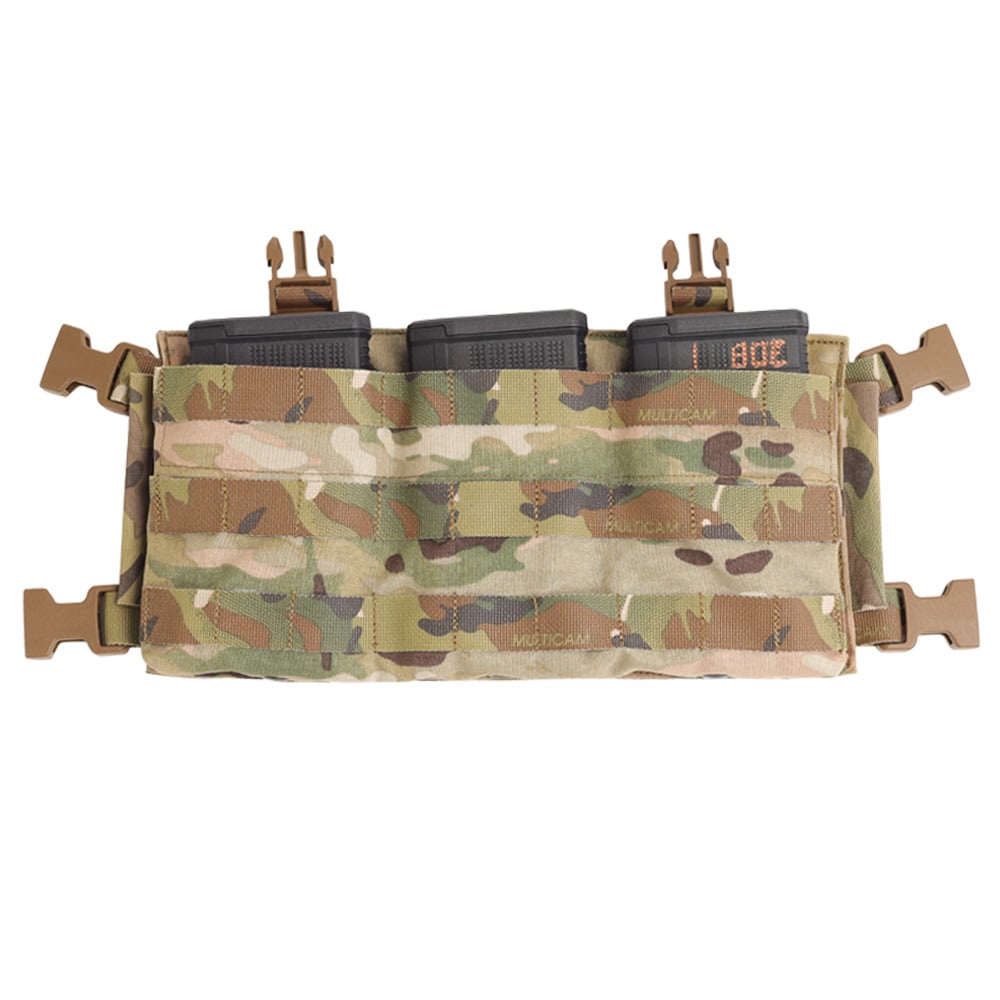
Chest rigs and plate carriers solve different problems, and buying the wrong one because you did not understand the difference is why…
Hesco plates explained: the Level 3, Level 3+, Level 4, and special threat lineup, how they compare, and how to choose the…
Gunshot wound first response: what to do in the first five minutes. The bleeding-control sequence, the tools, and the priorities that save…
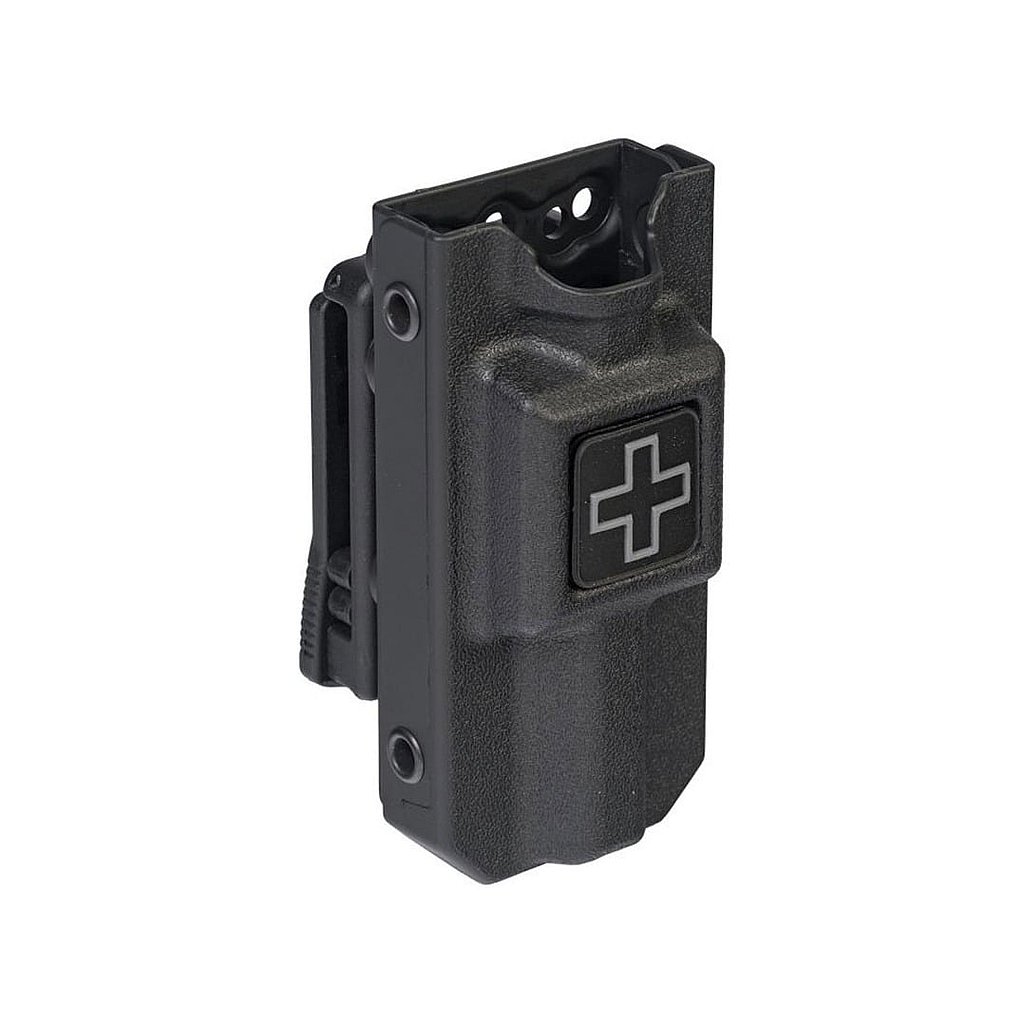
A tourniquet is the single most important piece of medical gear you can carry. Here's how the CAT, SOF, and RATS tourniquets…
A sucking chest wound is a life-threatening penetrating chest injury. Here is how chest seals work, vented vs non-vented, and how to…
Pressure dressing vs Israeli bandage: what each one is, how they relate, and how the emergency trauma dressing fits into bleeding control.
QuikClot and hemostatic gauze stop bleeding that a tourniquet cannot reach. Here is how clotting agents work, how wound packing works, and…