



Body Armor Levels Explained: Level 3A, 3, and 4 (IIIA, III, IV)
A straight breakdown of what Level IIIA, III, and IV armor each actually stops. Tested rounds, real-world threats, weight penalties, and how to match the level to what you are protecting against.
Levels are where most body armor buyers get confused, and the confusion costs money. Someone sees “Level IV plates” and assumes that is just the best of everything. Someone else hears “Level IIIA” and thinks they are covered against rifle threats. Both are wrong, in opposite directions.
Levels are not a simple better-or-worse scale. Each level stops a specific set of threats and does not stop others. Picking the right level means matching the threats you actually face to the armor that stops them. Nothing more, nothing less. Our full Body Armor Guide covers the NIJ rating system, testing methodology, and buyer decision-making in detail. This article goes deep on the practical question: what does each level stop, and which one do you need?
The Short Version
If you only read one paragraph, read this one.
- Level IIIA stops most common handgun rounds up to .44 Magnum. Does not stop rifle rounds. Usually soft armor.
- Level III stops most common rifle rounds including 7.62 NATO (.308) ball ammunition. Does not reliably stop armor-piercing rifle rounds or certain high-velocity rounds. Always hard armor.
- Level IV stops .30-06 M2 AP (armor-piercing) and all lesser rifle threats. Heaviest. Always hard armor.
Handgun threat only: Level IIIA. Rifle threat, non-AP: Level III. Rifle threat that includes armor-piercing: Level IV. That is the decision tree in one sentence.
Level IIIA: The Handgun Standard
Level IIIA (read “three-A”) is the top of the soft armor range under the NIJ 0101.06 standard. It is what most concealable body armor, plate carrier soft armor backers, and patrol vest inserts are rated at.
What Level IIIA Stops
Per NIJ 0101.06, Level IIIA is tested against:
- .357 SIG, 8.1 g (125 gr) FMJ Flat Nose at 1,470 ft/s (448 m/s)
- .44 Magnum, 15.6 g (240 gr) Semi Jacketed Hollow Point at 1,430 ft/s (436 m/s)
That means in practice, Level IIIA reliably stops every common handgun round in civilian and law enforcement use. 9mm, .40 S&W, .45 ACP, 10mm, .357 Magnum, and the test rounds above. The two test rounds represent the highest-energy threats the panel is certified against; everything below that energy envelope is also stopped.
Level IIIA is also typically rated against shotgun threats in slug configurations, though shotgun performance is variable and not part of the core NIJ spec. Most IIIA soft armor handles 12-gauge slug impacts at standard distances.
What Level IIIA Does Not Stop
Rifle rounds. All of them. A Level IIIA panel is not going to stop a 5.56 NATO, a 7.62×39, a .308, or any other rifle cartridge. The energy and velocity are too high, and the bullet construction is too different.
Some marketing gets fuzzy here. “Enhanced” IIIA or “IIIA+” ratings occasionally claim performance against certain rifle rounds, but these are not standardized and do not carry an NIJ certification at that additional threat level. If rifle protection matters, step up to Level III.
When Level IIIA Makes Sense
Concealed carry of armor under clothing for EDC. Patrol officers whose primary threat profile is handgun fire. Private security, executive protection, and civilian home defense setups where the threat is overwhelmingly handgun-based. Backing layer behind a hard plate in a plate carrier, to catch edge shots and handgun rounds that miss the plate.
Most of the soft armor we build at Midwest Armor, including our in-house MASS and MASS Air panels, is Level IIIA. It covers the overwhelming majority of real-world threats for civilian and LEO wearers, and it does so at a weight and flexibility that makes all-day wear possible.
Level III: The Rifle Entry Point
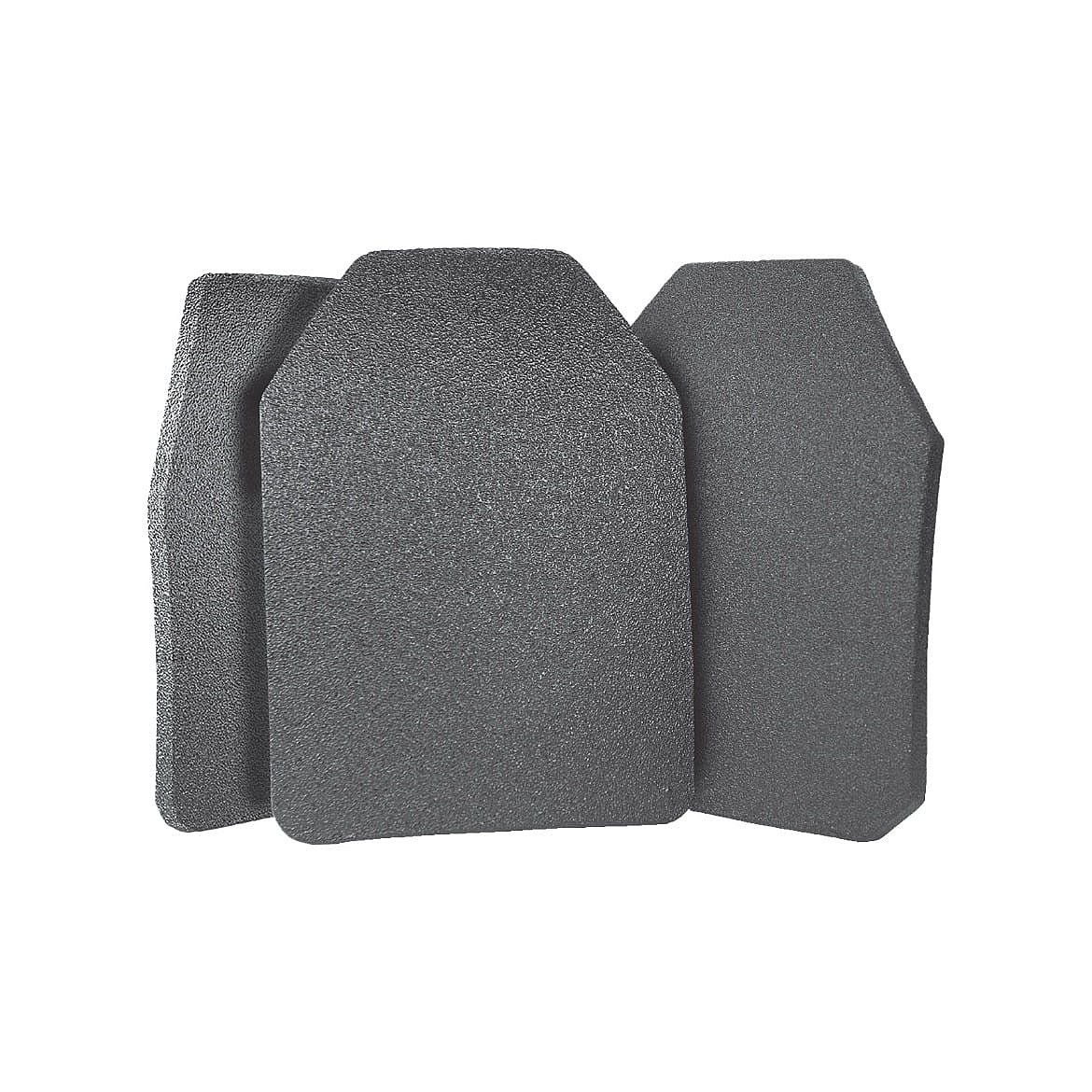
Level III is where body armor stops being soft and starts being hard. A Level III plate is a rigid composite, ceramic, steel, or UHMWPE panel designed to stop rifle rounds through a mix of energy absorption and ballistic material.
What Level III Stops
Per NIJ 0101.06, Level III is tested against:
- 7.62x51mm NATO (.308 Winchester) FMJ, 147 gr, at 2,780 ft/s
One test round, but it is a serious one. 7.62 NATO FMJ is a common military and civilian rifle cartridge with enough energy to cleanly penetrate most materials. A Level III plate that passes NIJ 0101.06 testing has proven it can stop this round with acceptable backface deformation on the backing material.
In practice, Level III stops:
- 5.56×45 NATO (M193, M855) and civilian .223 Remington variants
- 7.62×39 (AK-style) FMJ
- .308 Winchester / 7.62 NATO FMJ
- Most hunting rifle rounds in the medium-caliber range
- All handgun rounds (by default, since rifle threats carry more energy)
What Level III Does Not Stop
This is where it gets important. Level III does not reliably stop:
- Armor-piercing (AP) rifle rounds. 7.62 NATO M61 AP, 5.56 M855A1 enhanced penetrator, and .30-06 M2 AP will defeat most Level III plates. If you need AP protection, you need Level IV.
- Very high velocity rounds. Some civilian hunting calibers and certain specialty rounds exceed the test envelope even at FMJ construction.
- M855 “green tip” 5.56 in some configurations. M855 with the steel penetrator tip is a gray area. Some Level III plates stop it reliably, others do not. NIJ 0101.06 Level III does not specifically certify against M855. If M855 is a realistic threat, verify the plate’s specific test data or step up to Level III+ or Level IV.
Level III Materials and Trade-offs
Level III plates come in three main construction types. Each has trade-offs.
Steel. Cheapest, heaviest (often 7-9 lbs per plate), longest shelf life in storage, and carries the spalling problem. When a round hits steel, it can fragment and throw shrapnel sideways at the wearer’s neck and arms. Anti-spall coatings help but do not fully eliminate this. Steel is why we do not build or sell steel plates at Midwest Armor. The weight penalty alone disqualifies it for most wearers.
UHMWPE (polyethylene). Lightest (often under 4 lbs per plate), floats in water, no spalling, but sensitive to heat (do not leave in a hot car) and has a defined shelf life. Performs excellently against FMJ threats but can have difficulty with certain armor-piercing or very fast rounds at close range. Our go-to for Level III applications where weight is the primary constraint.
Ceramic composite. Middle weight (5-7 lbs), excellent multi-hit capability against the threats it is rated for, but fragile if dropped. A dropped ceramic plate may develop internal fractures that compromise its performance without being visible. Inspect ceramic plates after any impact.
When Level III Makes Sense
Most civilian rifle threat scenarios. Home defense setups where a rifle threat is possible but AP ammunition is not a realistic concern. LEO patrol rifle response. Training and range use where weight and durability matter more than defeating the hardest possible threat. The majority of plate carriers sold today are Level III hard plates backed by Level IIIA soft armor, and that combination covers the vast majority of civilian and LEO threat profiles.
Level IV: Armor-Piercing Rifle Threats
Level IV is the ceiling of the current NIJ 0101.06 standard. It is certified specifically against armor-piercing rifle rounds. If you are protecting against AP threats, you need Level IV. If you are not, Level IV is often more plate than you actually need.
What Level IV Stops
Per NIJ 0101.06, Level IV is tested against:
- .30-06 M2 AP (armor-piercing), 166 gr, at 2,880 ft/s
.30-06 M2 AP is a serious threat. A Level IV plate that stops this round stops virtually every other common rifle threat that wearers face, including AP variants of 5.56, 7.62 NATO, and 7.62×39.
In practice, Level IV stops everything Level III stops, plus the armor-piercing variants. There are exotic threats (.50 BMG, certain specialty rounds) that exceed even Level IV’s envelope, but those are outside the NIJ standard entirely.
The Trade-Offs
Level IV plates are almost always ceramic composite, sometimes with polyethylene backing. They are the heaviest plates you will run, typically 6-8 lbs per plate. They are also the most fragile to drops and impacts, because the ceramic strike face that makes AP protection possible is also what cracks if the plate is mishandled.
NIJ 0101.06 Level IV testing is a single-shot test. Most Level IV plates will stop the certified AP round once. Multi-hit capability against AP rounds is possible but not guaranteed by the certification. If you need certified multi-hit AP performance, look for plates that specifically advertise multi-hit AP data beyond the baseline NIJ spec.
When Level IV Makes Sense
Military roles with realistic AP threat exposure. LEO tactical units that may face AP rifle fire. Specialized security roles with threat intelligence indicating AP ammunition in circulation. Civilian preppers and enthusiasts who want the top end of the certified spectrum and accept the weight cost.
For most civilian defensive scenarios, Level IV is overkill and the weight penalty is not worth it. A Level III setup with quality soft armor handles the actual threat envelope most wearers face. But if AP rifle fire is in your threat model, Level IV is the right call.
How to Match Level to Threat
Strip away the marketing and match your level to your actual threat profile. The decision tree is short.
Handgun threats only: Level IIIA soft armor. This covers concealed carry, patrol response to handgun threats, home defense in most civilian contexts, and executive protection roles where the realistic threat is handgun fire.
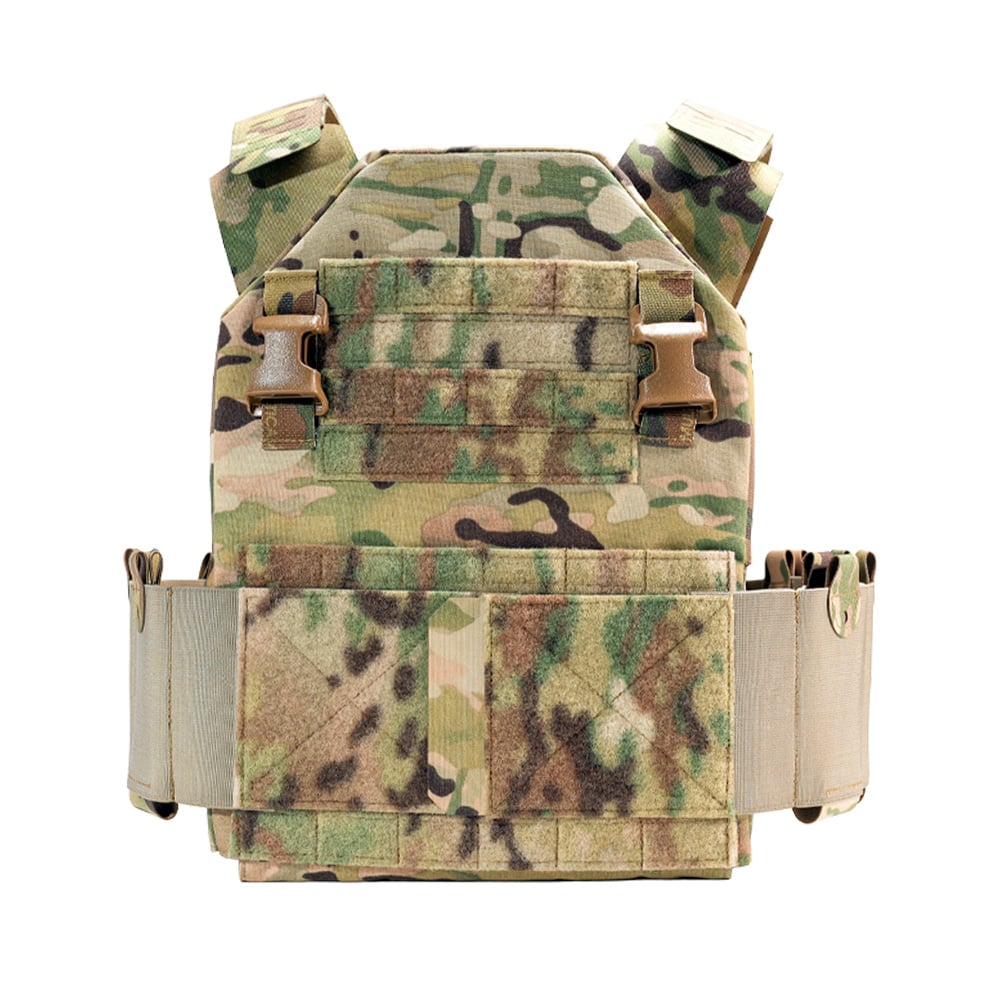
Rifle threats, non-AP: Level III hard plates plus Level IIIA soft armor backing. This is the workhorse loadout for LEO patrol rifle response, civilian home defense where a rifle threat is possible, and most training environments. The soft armor catches handgun rounds and edge shots; the hard plate handles rifle rounds.
Rifle threats including armor-piercing: Level IV hard plates plus Level IIIA soft armor backing. Military, LEO tactical, and specialized security only. Accept the weight penalty.
If you cannot cleanly name the threats you are protecting against, that is a sign to think harder about your actual use case before buying. Armor you do not use is dead weight. Armor that does not match your threat is false confidence.
Common Misconceptions
“Higher level is always better.”
No. Higher level is heavier and more expensive, and if the threat is not in that envelope, you have paid for weight you do not need. A Level IV plate stops .30-06 AP, but if you are never facing .30-06 AP, you are wearing two extra pounds per plate every day for no reason.
“Level III stops everything except AP.”
Mostly yes, with caveats. Level III is tested against 7.62 NATO FMJ, which is a strong baseline. But M855 “green tip” 5.56 with a steel penetrator is a gray area that depends on the specific plate. Some high-velocity hunting rounds exceed the test envelope. Verify the plate’s specific test data if you have a specific threat concern beyond the base NIJ certification.
“IIIA stops rifle rounds sometimes.”
No. Level IIIA is a handgun rating. It will not reliably stop any common rifle round. Marketing language about “enhanced” ratings or edge performance is not a certification. If rifle threats are in your profile, get hard plates.
“NIJ Certified and Tested to NIJ Standard are the same thing.”
They are not. NIJ Certified means the product has been submitted to a certified lab, passed the full testing protocol, and is listed on the NIJ Compliant Products List. Tested to NIJ Standard means the manufacturer tested the product to the same threats but did not go through the formal certification process. Both can indicate competent products. Certified is the higher standard of verification.
At Midwest Armor, our in-house MASS and MASS Air soft armor is tested to NIJ 0101.06 Level IIIA in our own lab and validated against the full threat protocol, but we do not currently hold formal NIJ certification. For customers who need certified panels, we resell Onyx and Slate armor, both of which are NIJ certified and American made. We cover this in detail on the Custom Soft Armor page.
What We Actually Recommend
After a decade of building this gear in Knoxville and helping customers pick the right loadout, here is the breakdown we give most buyers.
Civilian home defense, no rifle threat concerns: Level IIIA soft armor, concealable carrier or minimalist plate carrier. Lightweight, discreet, covers handgun threats fully.
Civilian home defense, rifle threat concerns: Level III hard plates (UHMWPE for weight savings), Level IIIA soft armor backing. Minimalist plate carrier. Covers the realistic civilian threat envelope without the weight of Level IV.
LEO patrol: Level IIIA soft armor for daily wear, with Level III rifle plates in a ready-to-don plate carrier for rifle response. This matches the actual threat pattern: handgun exposure on most calls, rifle exposure in specific response scenarios.
Military or LEO tactical with AP threat exposure: Level IV hard plates, Level IIIA soft armor backing. Accept the weight. Rotate plates for inspection after any drop or impact.
If your situation does not fit one of these profiles cleanly, text us at 865.859.9850 or email support@midwestarmor.com and we will help you think through the threat match. This is our job. We have been doing it in Knoxville for over a decade.
For the full picture on NIJ ratings, testing, certification, and buyer decision-making, read the complete Body Armor Guide. If you are considering custom-fit soft armor instead of stock sizing, the Custom Soft Armor page walks through the full process. For choosing and configuring the carrier that holds your plates, see our Plate Carriers Guide.
Ops-Core FAST SF Gen II Guide: Sizing, Weight, Protection and Setup
Ops-Core makes the FAST helmet, the high cut design most of the market has copied since. Ops-Core is part of Gentex Corporation, and its helmets are…
Ops-Core FAST SF Gen II vs PGD ARCH GEN3: Which High Cut Helmet to Buy
We carry two high cut ballistic helmets: the Ops-Core FAST SF Gen II and the PGD ARCH GEN3. Both are rated NIJ Level IIIA, both have…
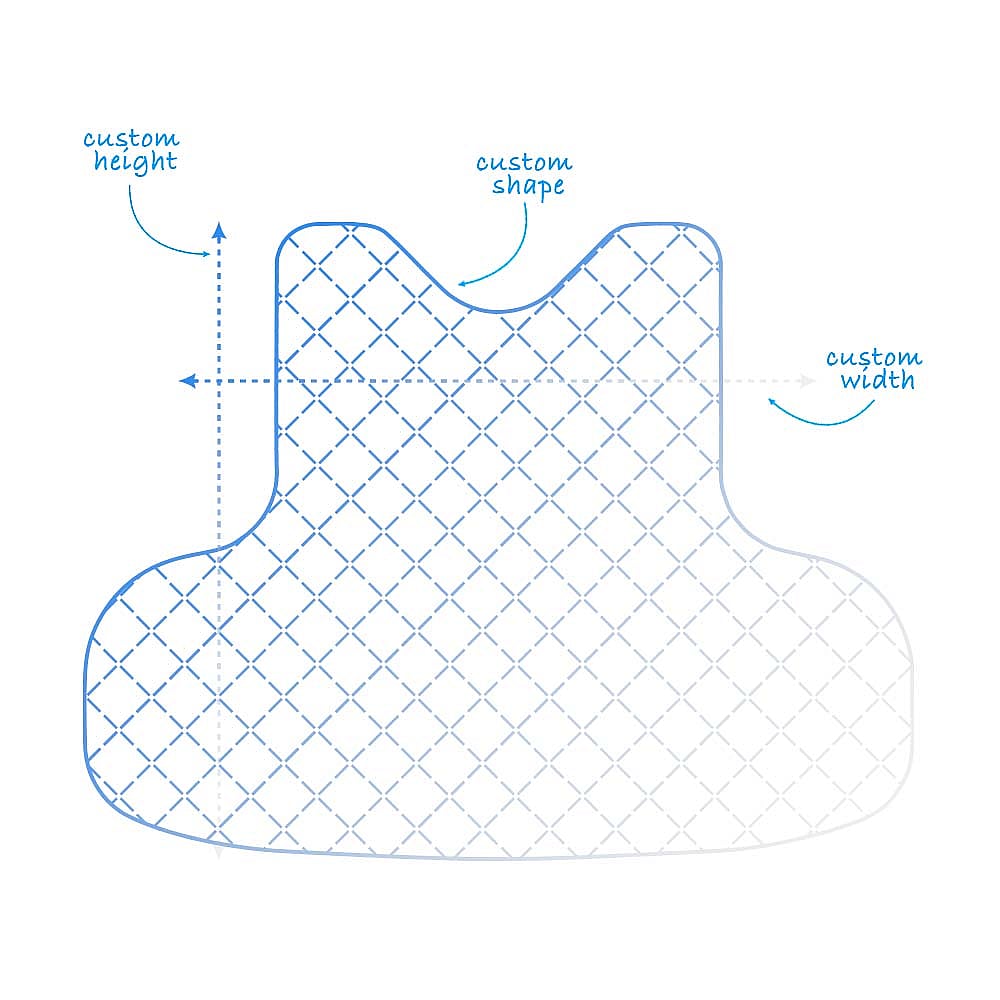
Custom Soft Armor: How to Get Inserts That Actually Fit Your Carrier
Most soft armor doesn't fit the carrier you actually own. Here's how our Custom Soft Armor program solves the fit problem and when to choose custom…