



MOLLE vs Laser Cut: Which Attachment System
MOLLE vs laser cut: how the two attachment systems compare on weight, profile, durability, and compatibility, and which to choose for your gear.
MOLLE and laser cut are the two attachment systems that define how modern tactical gear connects together. Both let you mount pouches, placards, and accessories to a plate carrier, chest rig, or belt. They do the same job through different construction, and the difference affects weight, profile, durability, and how the gear looks and feels. This guide compares them so you can choose the right system for your setup.
For the full breakdown of how the attachment grid works, see our complete MOLLE and PALS guide. This article focuses on the MOLLE-versus-laser-cut comparison specifically.
What Is MOLLE?
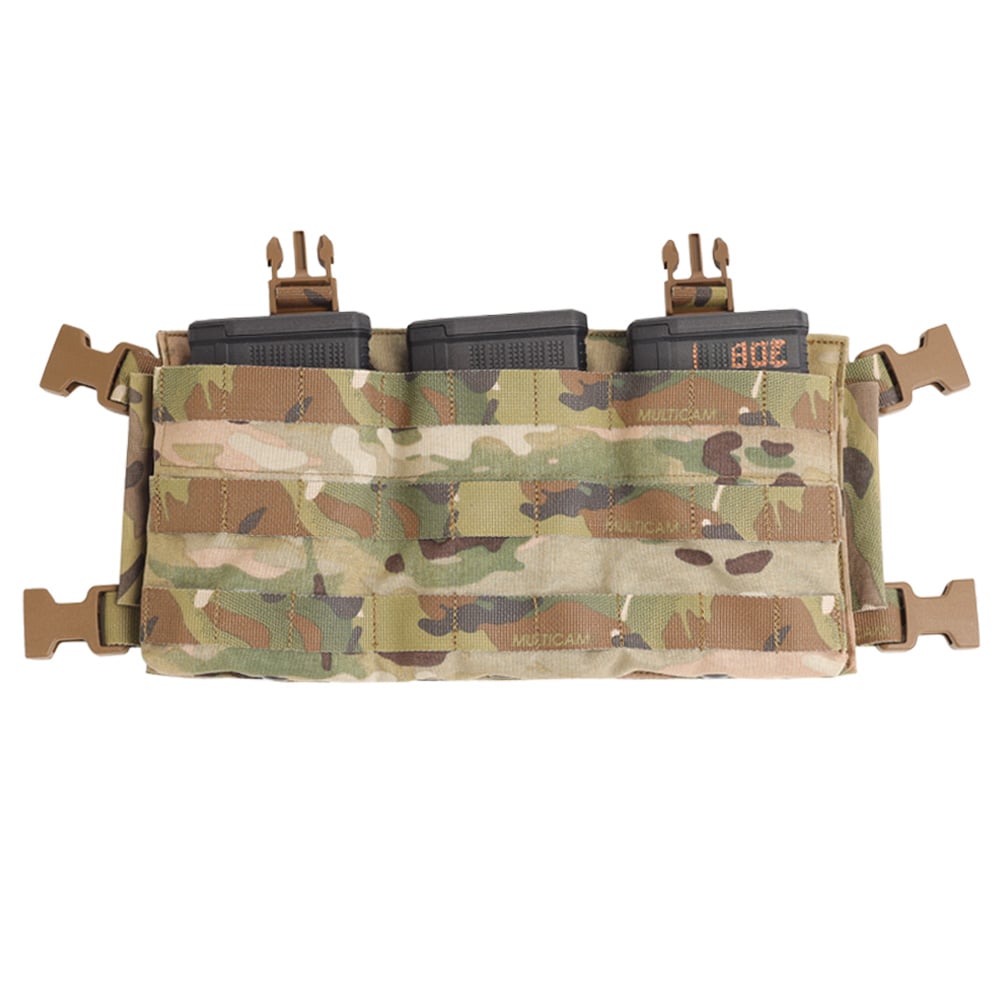
MOLLE (Modular Lightweight Load-carrying Equipment) is the traditional webbing-based attachment system. It uses rows of horizontal nylon webbing stitched onto the gear, creating a grid of loops. Pouches attach by weaving straps through the webbing rows on both the pouch and the carrier, interlocking the two. The webbing grid is the PALS (Pouch Attachment Ladder System) pattern.
MOLLE has been the military and tactical standard for decades. It is proven, universally compatible, and extremely rugged. The webbing rows are stitched down and can take enormous abuse.
What Is Laser Cut?
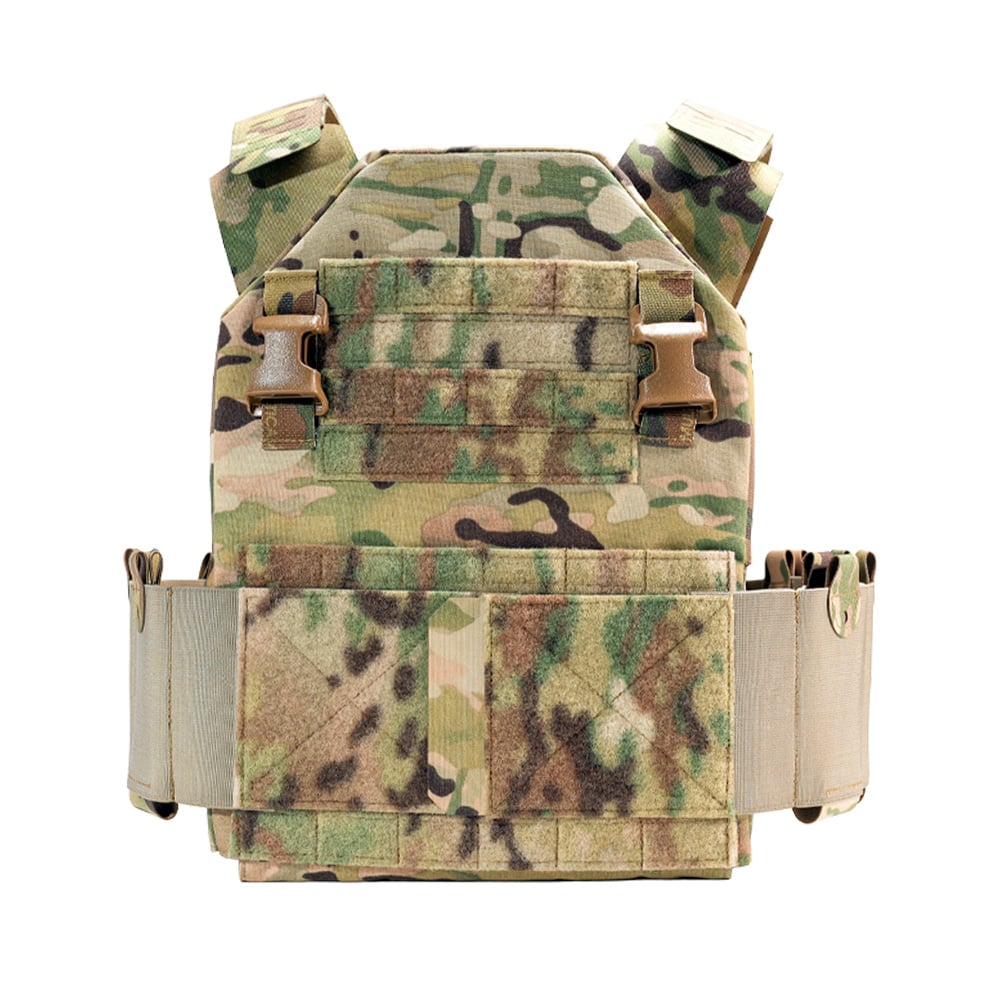
Laser cut (also called laser-cut MOLLE or hybrid attachment) achieves the same modular grid by cutting slots directly into a single laminated layer of material, rather than stitching webbing rows on top. The result is a grid of slots laser-cut into a thin, stiff panel. Pouches attach through these slots the same way they would through webbing.
Laser cut is the newer approach, enabled by laminated materials and precision laser cutting. It produces a thinner, lighter, lower-profile attachment surface than stitched webbing, which is why it has become popular on modern plate carriers and chest rigs.
Head to Head
- Weight: Laser cut wins. A single laminated layer is lighter than stitched rows of webbing.
- Profile: Laser cut wins. It sits flatter and thinner against the carrier, giving a sleeker, lower-profile setup.
- Durability: MOLLE wins at the extreme. Stitched webbing is more forgiving of extreme abuse and edge wear over a very long service life. Laser-cut laminate is durable but the slots can show wear at the edges under hard use.
- Compatibility: Both accept standard MOLLE/PALS pouches. Laser cut is designed to be cross-compatible with webbing-mount pouches, so you are not locked out of the existing pouch ecosystem.
- Appearance: Laser cut has the cleaner, more modern look; MOLLE has the traditional webbing appearance.
- Cost: Comparable, varying by specific product.
Which Should You Choose?
- Choose laser cut if you want the lightest, lowest-profile, most modern setup. It is the better choice for a sleek plate carrier or chest rig where weight and a flat profile matter, and it still accepts standard pouches.
- Choose MOLLE if you want maximum proven durability for extreme, sustained abuse, or you simply prefer the traditional webbing system. It is the rugged, universal standard.
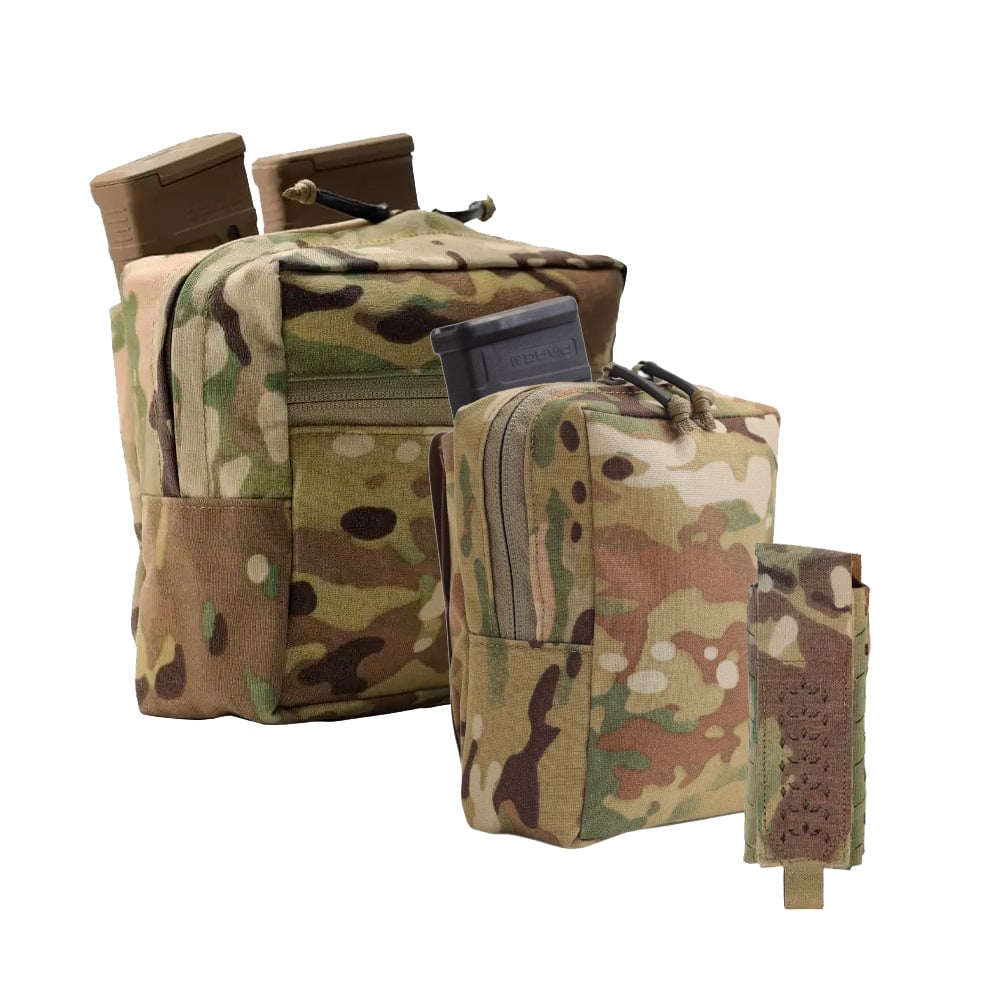
For most modern users, laser cut is an excellent default: lighter, flatter, and still compatible with the pouch ecosystem. MOLLE remains the right call when ultimate durability under sustained hard use is the priority. We build gear in both systems. Our laser-cut line, including laser-cut carriers, placards, and our Laser TQ Pouch, gives you the low-profile modern setup, and our MOLLE products cover the traditional webbing approach. Both are cross-compatible, so you can mix as needed.
Bottom Line
Laser cut is lighter, flatter, and more modern; MOLLE is the traditional, maximally rugged webbing standard. Both accept standard pouches and are cross-compatible, so the choice comes down to whether you prioritize low profile and weight (laser cut) or ultimate durability and tradition (MOLLE). For most modern setups, laser cut is an excellent default.
We build gear in both systems. See our complete MOLLE and PALS guide for how the attachment grid works, and browse our laser-cut and MOLLE lineups to compare.
FAQ
MOLLE uses stitched rows of nylon webbing to create the attachment grid. Laser cut achieves the same grid by cutting slots into a single laminated panel. Laser cut is thinner, lighter, and lower-profile; MOLLE is the traditional, extremely rugged webbing standard. Both accept standard pouches.
Yes. Laser-cut attachment is designed to be cross-compatible with standard MOLLE/PALS pouches. You can mount webbing-style pouches on a laser-cut panel and vice versa, so choosing laser cut does not lock you out of the existing pouch ecosystem.
MOLLE has the edge for extreme, sustained abuse: stitched webbing is very forgiving of hard use over a long service life. Laser-cut laminate is durable and lighter, but the slot edges can show wear under the hardest use. For most users both are plenty durable; MOLLE wins at the extreme.
Yes. A single laminated laser-cut layer is lighter than stitched rows of webbing, and it sits flatter against the carrier. Lower weight and a thinner profile are the main reasons laser cut has become popular on modern plate carriers and chest rigs.
That is subjective, but laser cut generally has the cleaner, more modern, lower-profile appearance, while MOLLE has the traditional webbing look. If a sleek setup matters to you, laser cut is usually the preferred aesthetic.
Yes. Because they are cross-compatible, you can run laser-cut pouches on a MOLLE carrier or MOLLE pouches on a laser-cut panel. Many setups mix the two based on what is available and what fits each role best.
Ops-Core FAST SF Gen II Guide: Sizing, Weight, Protection and Setup
Ops-Core makes the FAST helmet, the high cut design most of the market has copied since. Ops-Core is part of Gentex Corporation, and its helmets are…
Ops-Core FAST SF Gen II vs PGD ARCH GEN3: Which High Cut Helmet to Buy
We carry two high cut ballistic helmets: the Ops-Core FAST SF Gen II and the PGD ARCH GEN3. Both are rated NIJ Level IIIA, both have…
Custom Soft Armor: How to Get Inserts That Actually Fit Your Carrier
Most soft armor doesn't fit the carrier you actually own. Here's how our Custom Soft Armor program solves the fit problem and when to choose custom…