

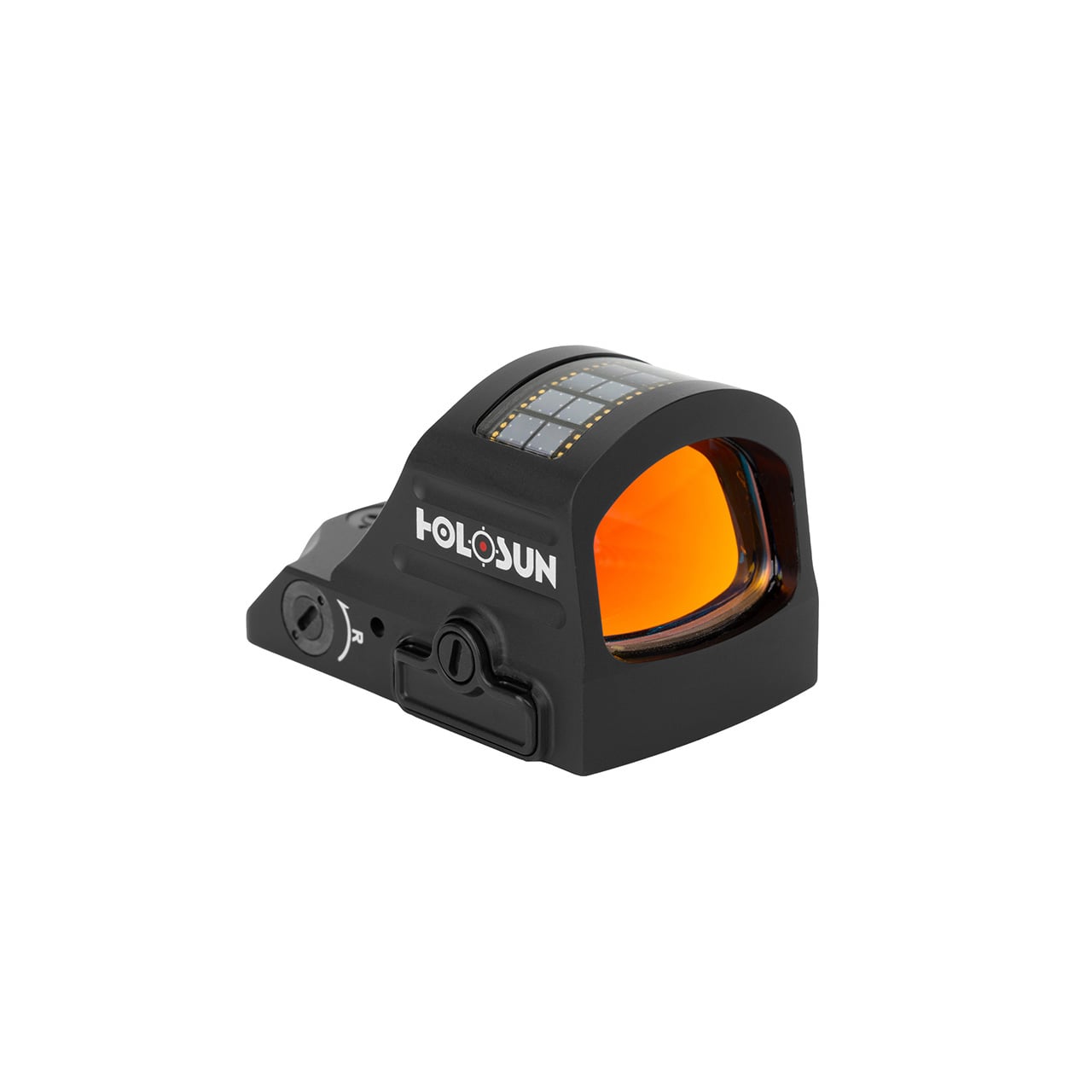


Chest Rig Setup: What They Are, When to Use One, and How to Build the Right Loadout
Chest rigs and plate carriers solve different problems, and buying the wrong one because you did not understand the difference is why so many setups sit unused. Styles, harness considerations, loadout building, and picking the right rig for your role.
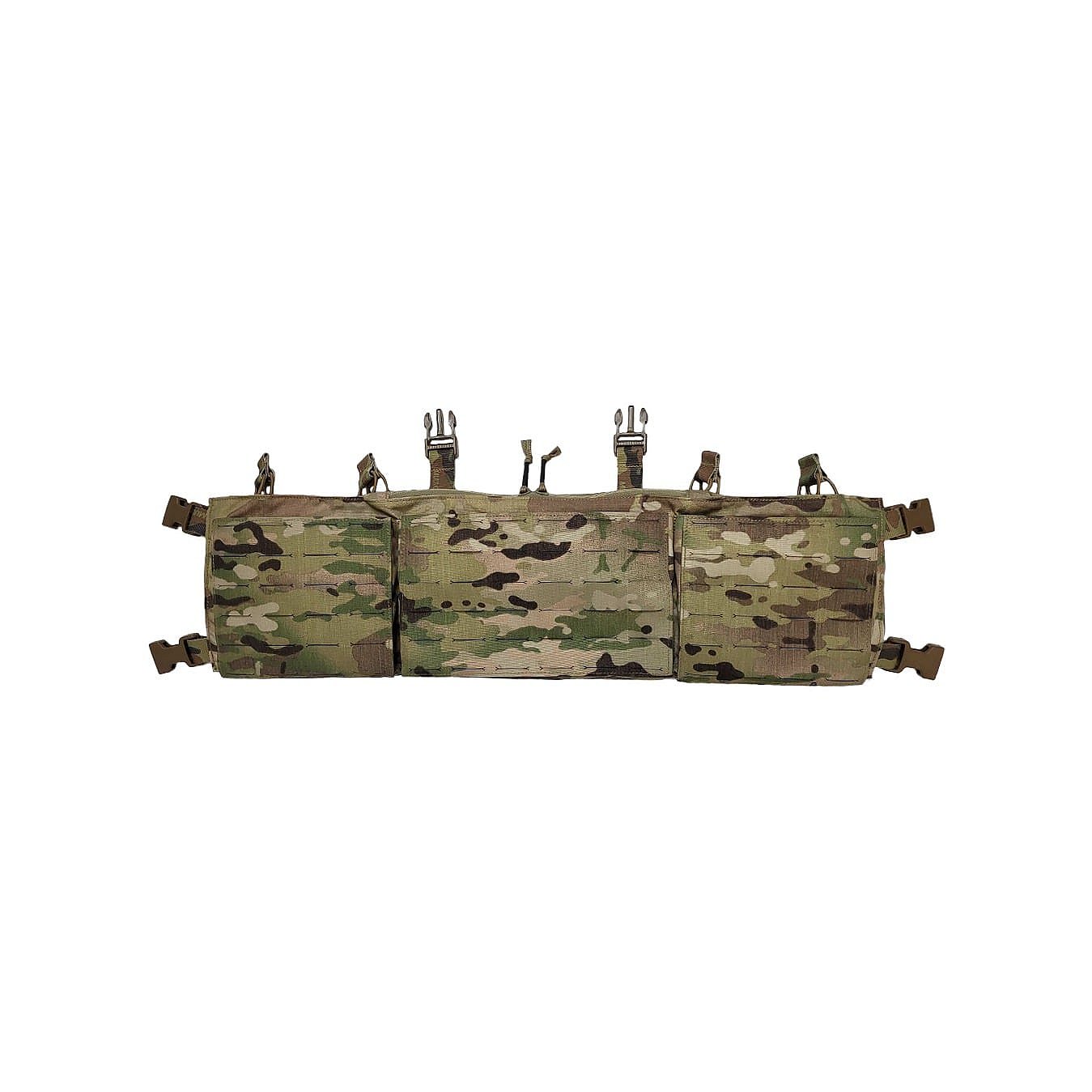
Chest rigs are the most misunderstood piece of tactical gear in the civilian market. People see them in photos next to plate carriers and assume they are a lighter alternative. They are not. A chest rig and a plate carrier solve different problems, and picking the wrong one because you did not understand the difference is why so many setups sit unused in closets.
We have been building chest rigs in Knoxville for over a decade. Here is what a chest rig actually is, when it is the right tool, and how to pick one that fits your role. No marketing, no fluff. Just the straight answer.
What a Chest Rig Actually Is
A chest rig is a front-mounted load-bearing platform. It carries mags, radios, pouches, and mission gear across your chest. It does not carry armor. That is the core distinction, and it matters.
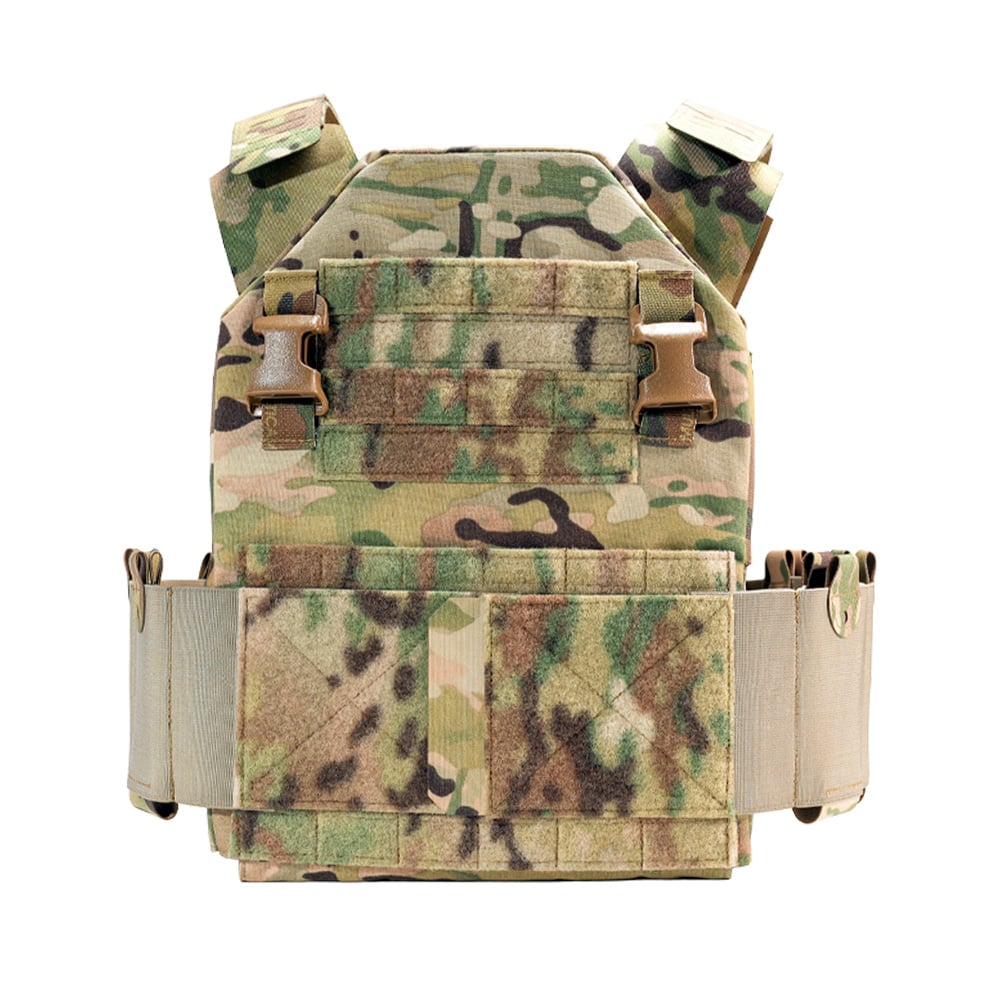
A plate carrier carries armor plus gear. A chest rig carries only gear. If you need ballistic protection, a chest rig alone will not give it to you. You either need a plate carrier or you need to run the chest rig over a plate carrier for the combination.
The form factor varies. Some chest rigs use a full harness with four points of attachment (two over the shoulders, two around the lower torso). Some use a modular design where the front panel attaches to an interchangeable harness. Some are MOLLE-covered for full pouch customization. Some are purpose-built with integrated mag pockets and limited expansion.
All of them share one thing: weight distributed across the upper body, no armor, and the ability to strip off fast when you do not need to be wearing kit.
When a Chest Rig Is the Right Tool
Training and Range
Most range time does not require armor. You are shooting at paper in controlled conditions. A plate carrier adds weight and heat without adding benefit. A chest rig lets you carry your mags, admin, and comms without the plate weight.
This is probably the most common legitimate civilian use case for a chest rig. Train with your mag layout, your reload patterns, and your admin gear in a realistic configuration, but without the fatigue of wearing plates for four hours of drills.
Hunting and Sustained Field Use
Long days in the field where you are carrying a rifle, mags, and mission gear but do not need ballistic protection. A chest rig rides differently than a pack and keeps your primary load accessible across your chest instead of behind your back.
For multi-day hunts, guided trips, or any role where you are humping gear across terrain without an active threat of incoming fire, a chest rig is often the right call.
Layered Over a Plate Carrier
Military and some tactical setups run a chest rig over a plate carrier to add front-load capacity beyond what the carrier itself offers. The carrier handles armor and core mag load; the chest rig adds specialty gear, additional mags, or mission-specific items without overloading the carrier’s front panel.
This is a heavier setup and typically only makes sense in roles that genuinely require the additional capacity. For most civilian and LEO applications, a well-configured plate carrier alone handles the load.
Minimalist Defensive Setup
Some users run a chest rig as a ready-to-grab loadout for fast-access scenarios where they want mag capacity without the commitment of donning a full plate carrier. Keep the chest rig hanging near the nightstand with loaded mags, grab it in the event of a home defense scenario, and you have 4-6 mags immediately available without the 15-20 second delay of plate carrier donning.
Trade-off: no ballistic protection. This setup prioritizes speed over armor. If your threat assessment includes rifle fire, a plate carrier is the better answer even with slower donning time.
When a Chest Rig Is Not the Right Tool
Most defensive scenarios where rifle threats are a real possibility. Home defense where a known threat is rifle-armed. Any LEO or security role where body armor is policy or best practice. Any role where going down without armor is an unacceptable outcome.
If armor is in your threat match, start with the plate carrier and build the setup around it. A chest rig is lighter and more comfortable, but lighter and more comfortable is not the metric when rounds start flying.
Three Main Chest Rig Styles
Full-Coverage MOLLE Platform
A large front panel covered in MOLLE webbing, with integrated or attachable mag pockets, and a harness system to hold it on your chest. These are the most configurable and the most common in serious tactical use.
You build the loadout by attaching pouches to the MOLLE grid. Mags, admin, medical, radio, lights, tools. You can reconfigure for different missions or keep it locked in for a consistent setup.
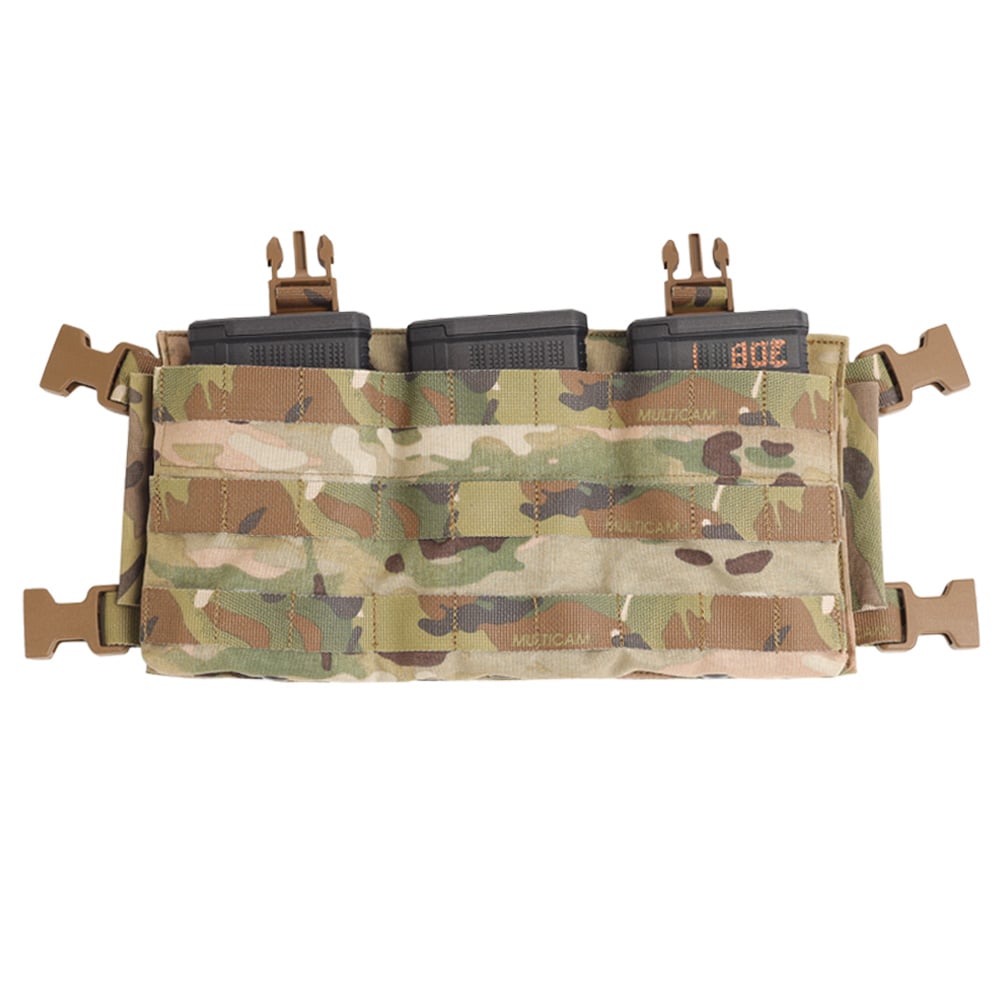
Our Hilo Laser Recon Chest Rig V2 is our flagship in this category. 7 integrated front rifle mag pockets, with space for 2 additional mags or pouches on each side via integrated MOLLE. Stack the full configuration and you have up to 14 mags ready in one platform. The front panel includes a built-in zippered pouch behind the mags for secure storage without interfering with shoulder straps. Bottom interface accepts the Hilo Drop Pouch for additional capacity. Laser-cut MOLLE throughout for weight savings and clean aesthetics.
Purpose-Built Mag-Specific
Chest rigs built around a specific mag format (5.56, 7.62, specific pistol mags). No MOLLE expansion or limited expansion. Everything is sized and placed for a specific use case.
Pros: streamlined, lower profile, faster to don and doff, usually cheaper.
Cons: inflexible. If your mag platform changes or your mission profile changes, you need a different rig.
Good choice for: ranges where you are always running the same weapon platform, hunters, anyone with a single consistent loadout.
Modular Placard Systems
A harness with a quick-detach front placard. You can swap placards for different missions, or pull the placard off the chest rig and attach it directly to a plate carrier for a unified system.
Pros: maximum flexibility, seamless transition between chest rig and plate carrier setups, one placard system covers multiple platforms.
Cons: requires compatible placard hardware on both the rig and the carrier, usually costs more because you are buying into a system.
For users already running a placard-compatible plate carrier, a modular rig means one placard configuration works on both platforms. Swap between them by mission without rebuilding the loadout.
The Harness: The Part Most Buyers Ignore
The front panel gets all the attention because it carries the gear. But the harness is what holds the rig on your body, and a bad harness makes a good rig unusable.
Shoulder Strap Design
The shoulder straps carry the vertical load. Three styles are common.
H-harness connects both shoulder straps across the back with a horizontal strap. Keeps the straps from sliding off the shoulders and distributes load evenly. Our default recommendation for most use cases.
X-harness crosses the shoulder straps in the back. More secure against shoulder slip but can restrict range of motion when reaching overhead. Good for aggressive movement environments.
Skeletal harnesses use minimal material, usually 1-inch webbing only. Light and cool but less comfortable under heavy loads. Good for lightweight loadouts in hot environments.
Padding Matters
A rig carrying 6-10 pounds of mags and gear rests on your shoulders for the entire wear period. Unpadded straps will hurt after an hour. Padded straps with breathable mesh make the difference between gear you wear all day and gear you take off at the first break.
Our Padded Adjustable MOLLE Harness uses 500D material construction with breathable mesh padding across the shoulder contact zones. Adjustable height positioning lets you dial in high-ride or low-ride configuration. Integrated wire guides keep comms cables and hydration tubes routed cleanly without snagging. MOLLE on the outer straps for adding small pouches directly to the harness.
Adjustment Range
A harness that fits one body well often fits another poorly. Look for real adjustment at multiple points: shoulder strap length, waist strap length, front panel height, and side-to-side centering. A harness with one adjustable strap and fixed geometry everywhere else will fight you.
Our harness adjusts at every major contact point, which is why it works across a wide range of body types without custom sizing. Adjust once to your build, and it stays dialed.
Building Your Loadout
A chest rig is a platform. The loadout is what makes it useful. Four categories cover most setups.
Primary Mags (Center Front)
Three to five rifle mags depending on role. Center-front position for fastest access with both hands. For the Hilo Laser Recon Chest Rig V2, the seven integrated pockets give you center-heavy mag capacity without requiring additional pouches. For MOLLE-platform rigs, run a triple mag placard or two double pouches across the front for similar capacity.
Secondary Gear (Flanking Front)
Admin pouch on the support-hand side. Medical or utility on the dominant-hand side. Keep the flanking positions for items you need under non-time-critical conditions. ID, tools, small comms, minor first aid.
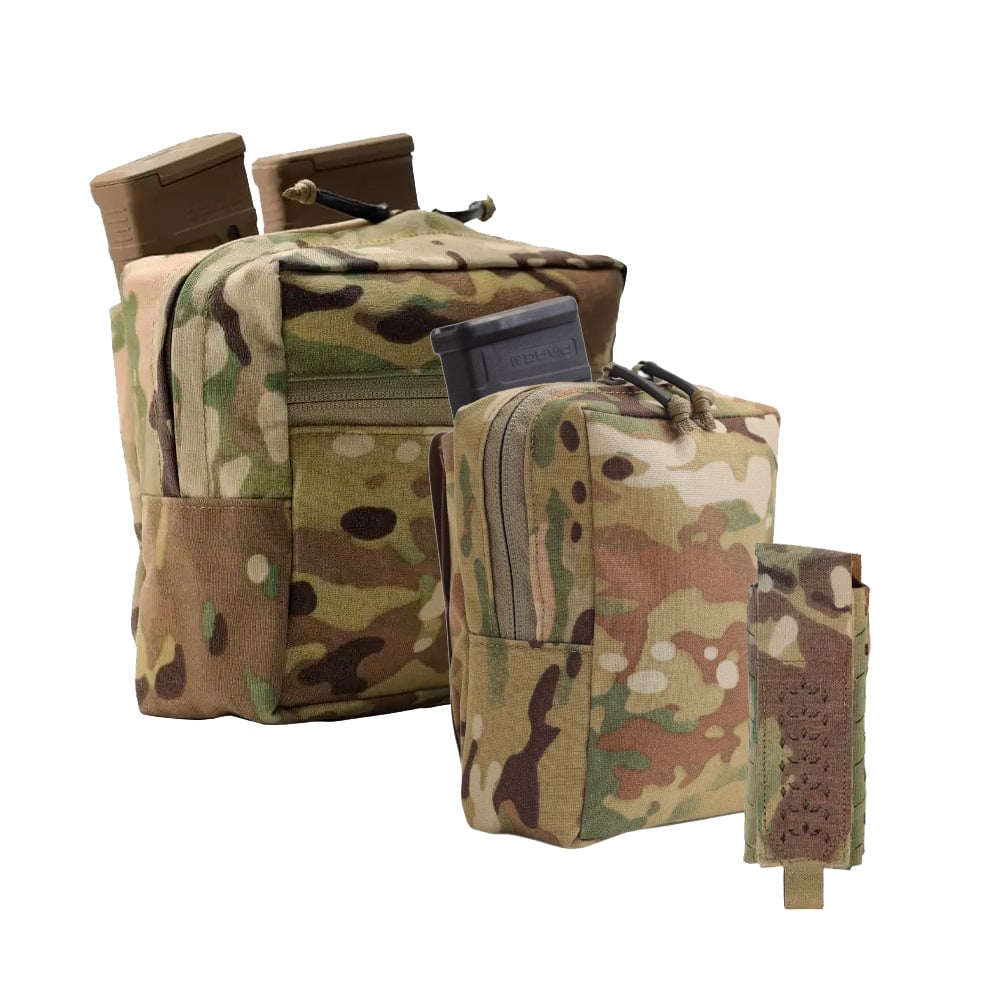
Our GP pouch system works well here. GP 6x5x2 Pouch for general storage, GP 4x6x2 Single Mag Pouch for a third mag or medical kit.
Rear Gear (If Applicable)
Some chest rigs extend around to the back, providing storage behind the shoulders. Good placement for hydration, radio, spare mags, or a tourniquet. The Hilo Laser Recon Chest Rig V2 includes a designed rear section for exactly this purpose.
Drop Pouch Integration
Empty mags have to go somewhere. A drop pouch on the bottom of the rig lets you stash spent mags fast without losing them. Our Hilo Drop Pouch integrates with our chest rigs via insert or Tubes attachment, so the drop pouch rides low and out of the way until you need it.
Common Mistakes
Buying a Chest Rig Instead of a Plate Carrier
Because it is lighter and looks cool in photos. If armor matters in your threat match, you need a plate carrier. Pick the right tool for the job, not the comfortable one.
Ignoring the Harness
Buying a cheap harness because the rig panel is what you are paying for. A bad harness makes the rig uncomfortable and unusable for any duration beyond 30 minutes. Invest in the harness.
Overloading the Front Panel
Loading every inch of MOLLE with pouches. A front-heavy chest rig rocks forward and tires your shoulders. Distribute weight across the rig and use the rear sections if your rig has them.
Wrong Style for the Use Case
A purpose-built mag-specific rig for a shooter who runs multiple weapons. A full MOLLE platform for a hunter who only needs two mags. Pick the rig that matches your actual loadout pattern, not an aspirational one.
Buying Chest Rig and Harness Separately Without Checking Compatibility
Some rigs come as a panel only, without a harness. If you buy the panel and then grab a random harness that does not attach cleanly, you end up with a partial setup. Check before you order.
What We Build at Midwest Armor
Our chest rigs are designed and manufactured in Knoxville, Tennessee by our family-owned shop. Berry Compliant materials throughout. American-sourced hardware. Cut, sewn, and finished on our machines by our team, same as every other piece of tactical nylon we produce.
The Hilo Laser Recon Chest Rig V2 is our flagship platform, designed for modularity and scalable capacity. The Padded Adjustable MOLLE Harness is built to work with it and with any other chest rig panel that accepts standard harness attachment. Together they make a complete system that you configure to your role.
Our full chest rig lineup is at midwestarmor.com/product-category/chest-rigs. If you are not sure which configuration fits your mission, text us at 865.859.9850 or email support@midwestarmor.com. Tell us what you are running and what you need it to do. We will help you build out the right loadout.
For related reading: our Chest Rigs Guide is our complete reference on choosing, configuring, and running a modular rig. Our Plate Carrier Setup Guide covers the armor-inclusive side of tactical setup, and the Complete MOLLE and PALS Guide walks through the attachment system you will use to build out any modular platform.
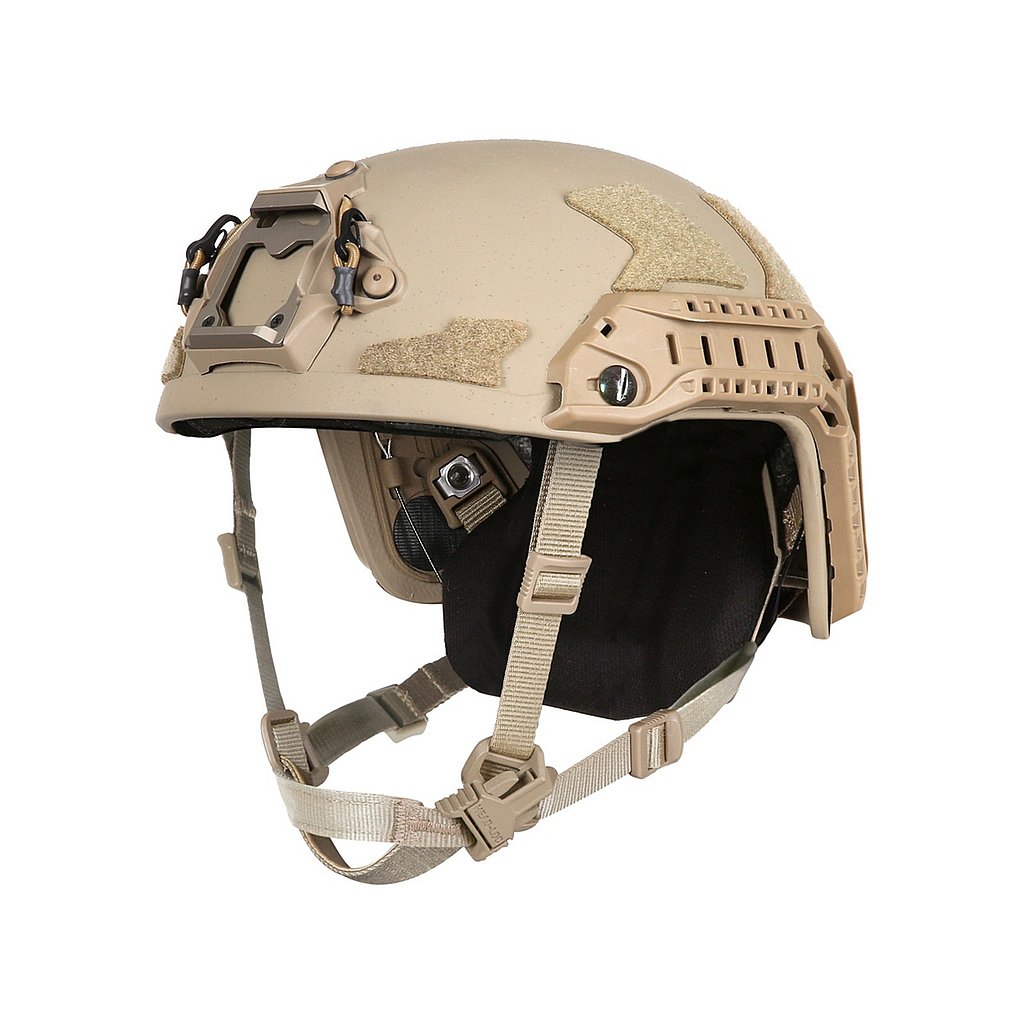
Ops-Core FAST SF Gen II Guide: Sizing, Weight, Protection and Setup
Ops-Core makes the FAST helmet, the high cut design most of the market has copied since. Ops-Core is part of Gentex Corporation, and its helmets are…
Ops-Core FAST SF Gen II vs PGD ARCH GEN3: Which High Cut Helmet to Buy
We carry two high cut ballistic helmets: the Ops-Core FAST SF Gen II and the PGD ARCH GEN3. Both are rated NIJ Level IIIA, both have…
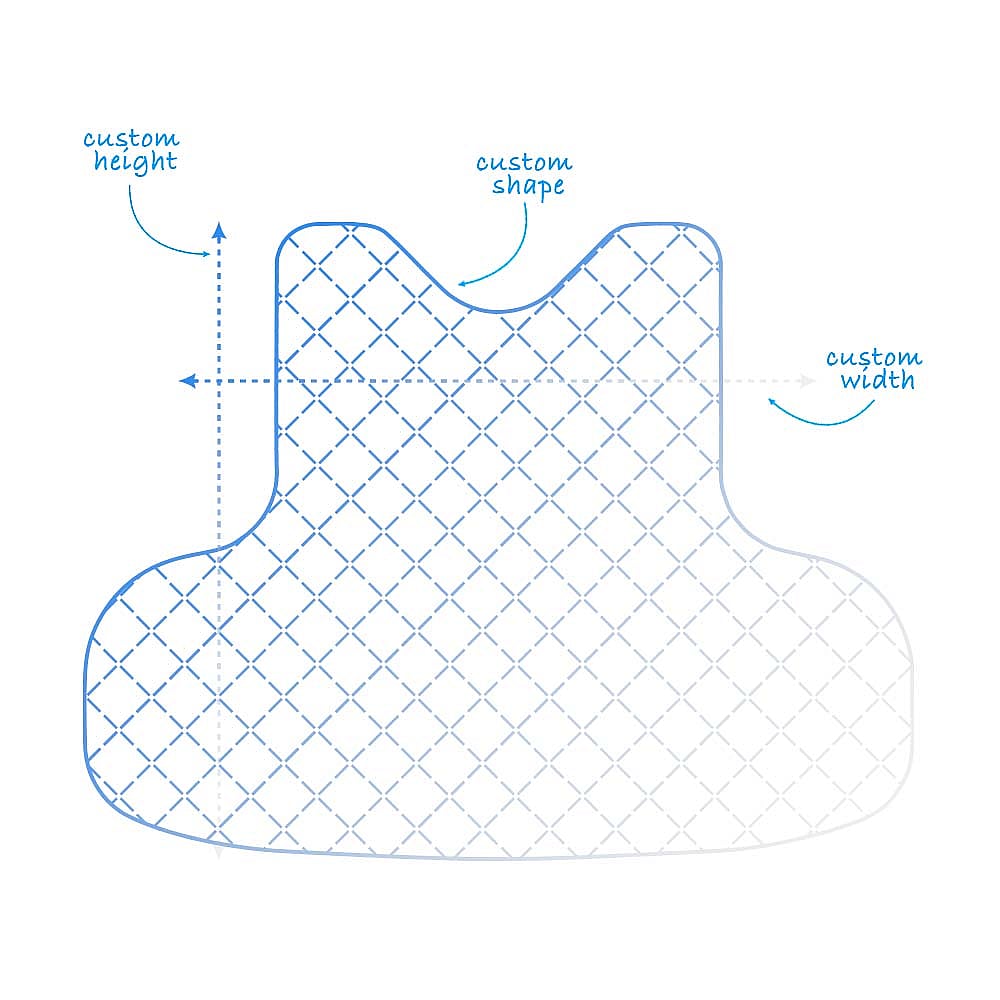
Custom Soft Armor: How to Get Inserts That Actually Fit Your Carrier
Most soft armor doesn't fit the carrier you actually own. Here's how our Custom Soft Armor program solves the fit problem and when to choose custom…