



War Belt vs Battle Belt vs Duty Belt: What’s the Difference
War belt, battle belt, duty belt, gun belt: the terms get used interchangeably but the context differs. Here is what each one actually means and which you need.
War belt, battle belt, duty belt, gun belt, rigger’s belt. Shop for a tactical belt and you will run into all of these terms, often used as if they mean different things. Mostly they do not. The reinforced belt that carries a pistol and first-line gear goes by several names, and the differences between those names are more about context and user community than about the gear itself.
This guide sorts out the terminology, explains the real distinctions where they exist, and points you to the right setup regardless of what you call it.
The Short Answer
War belt and battle belt are the same thing: a reinforced belt rig that carries first-line tactical gear. Duty belt is the law enforcement version of the same concept, with a slightly different gear mix. Gun belt is a broader, looser term. Rigger’s belt refers to a specific belt construction that is sometimes used as the inner belt of a battle belt system. None of these are sharply defined categories with hard boundaries; they overlap heavily.
War Belt and Battle Belt: The Same Thing
“War belt” and “battle belt” are interchangeable. Both refer to the rigid, padded belt rig worn to carry first-line gear: a holstered pistol, pistol magazines, a tourniquet, a dump pouch, and a knife. The rig uses a two-part inner and outer belt system so it can carry a loaded holster and several pounds of gear without rolling or sagging.
If there is any shade of difference, it is tone. “War belt” carries a slightly more military or enthusiast connotation; “battle belt” is the more common general-market term. But functionally, a product sold as a war belt and a product sold as a battle belt are the same category of gear. We use “battle belt” as our standard term. Our XOS Tactical Battle Belt is a war belt, a battle belt, and a gun belt all at once, depending on which word you prefer.
Duty Belt: The Law Enforcement Version
A duty belt is the law enforcement implementation of the same first-line-belt concept. The structural idea is identical: a reinforced belt carrying the officer’s essential gear. What differs is the gear mix, which is shaped by the patrol role rather than the tactical role.
A traditional LEO duty belt carries the duty pistol, pistol magazines, handcuffs, OC spray, a radio, a baton or expandable baton, a flashlight, and increasingly a tourniquet. That is a different load than a tactical battle belt, which is built around the pistol and reloads with less administrative and less-lethal equipment.
Modern LEO practice has been moving toward load-bearing vests and battle-belt-style setups that move weight off the hips, but the classic duty belt remains the baseline. The setup principles (holster on the strong side, reloads on the support side, keep the spine clear) carry over directly.
Gun Belt: The Broad Term
“Gun belt” is the loosest term of the group. It can mean a full tactical battle belt, or it can mean a stiffened EDC belt designed simply to support a concealed-carry holster without the sag of a normal dress belt. When you see “gun belt,” check the actual product: it might be a complete first-line rig or it might just be a reinforced everyday belt for concealed carry.
For a full tactical loadout, you want a battle belt. For everyday concealed carry, a simple reinforced gun belt may be all you need. The word alone does not tell you which.
Rigger’s Belt: A Construction, Not a Category
A rigger’s belt is defined by its construction rather than its role. It is a webbing belt, originally designed with a load-rated buckle strong enough to be used in rappelling and rigging applications. Rigger’s belts are stiff, strong, and low-profile.
In a battle belt context, a rigger’s-style belt is sometimes used as the inner belt: the rigid belt that threads through trouser loops and anchors the outer battle belt. Some users also run a rigger’s belt on its own as a minimalist gun belt for light concealed carry. The term describes how the belt is built, not what role it fills.
Which One Do You Actually Need?
Cut through the terminology with the use case:
- Tactical, range, training, or home defense first-line gear: you want a battle belt (sometimes sold as a war belt). The reinforced two-part rig that carries a holstered pistol and first-line essentials. Our XOS Tactical Battle Belt is built for this.
- Law enforcement patrol: you want a duty belt or a duty-oriented battle belt setup, with the gear mix that includes cuffs, OC, radio, and less-lethal options alongside the pistol.
- Everyday concealed carry only: you may only need a reinforced gun belt or rigger’s belt to support the holster, not a full battle belt.
For the full walkthrough of setting up a first-line belt regardless of what you call it, see our battle belt setup guide.
Bottom Line
War belt and battle belt mean the same thing. Duty belt is the LEO version. Gun belt is a broad term that could mean either a full rig or a simple carry belt. Rigger’s belt describes a construction style. Do not get hung up on the words; identify your use case and pick the belt that matches it.
For tactical first-line gear, the XOS Tactical Battle Belt is our recommendation. For the full setup walkthrough, see our battle belt setup guide.
FAQ
Yes. War belt and battle belt are interchangeable terms for the reinforced belt rig that carries first-line tactical gear. “War belt” has a slightly more military or enthusiast tone, but functionally they are the same category of gear.
A duty belt is the law enforcement version of the first-line belt concept. The structure is the same, but the gear mix differs: a duty belt carries cuffs, OC spray, a radio, and less-lethal options alongside the pistol, while a tactical battle belt is built more tightly around the pistol and reloads.
A rigger’s belt is a belt defined by its construction: a strong webbing belt with a load-rated buckle, originally built for rigging and rappelling use. In a battle belt setup it is sometimes used as the rigid inner belt. The term describes how the belt is built, not the role it fills.
Not necessarily. “Gun belt” is a loose term that can mean a full tactical battle belt or just a stiffened everyday belt for supporting a concealed-carry holster. Check the specific product to know which you are looking at.
For everyday concealed carry, a reinforced gun belt or rigger’s belt that supports the holster without sagging is usually enough. A full battle belt is built for tactical first-line gear, which is more than most concealed carriers need day to day.
A battle belt covers tactical, range, training, and home defense first-line needs. It is overkill for discreet everyday concealed carry, where a simpler gun belt is more practical. Many users own both: a battle belt for tactical use and a low-profile gun belt for daily wear.
Ops-Core FAST SF Gen II Guide: Sizing, Weight, Protection and Setup
Ops-Core makes the FAST helmet, the high cut design most of the market has copied since. Ops-Core is part of Gentex Corporation, and its helmets are…
Ops-Core FAST SF Gen II vs PGD ARCH GEN3: Which High Cut Helmet to Buy
We carry two high cut ballistic helmets: the Ops-Core FAST SF Gen II and the PGD ARCH GEN3. Both are rated NIJ Level IIIA, both have…
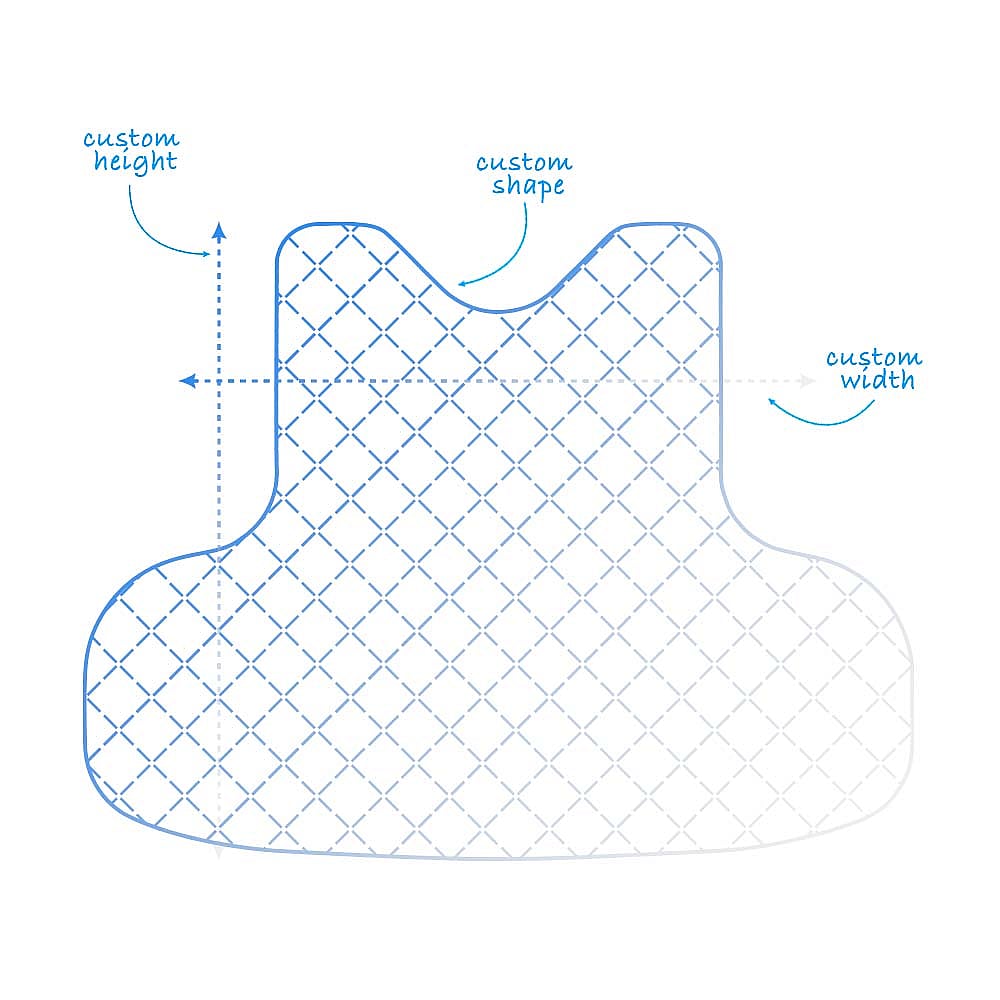
Custom Soft Armor: How to Get Inserts That Actually Fit Your Carrier
Most soft armor doesn't fit the carrier you actually own. Here's how our Custom Soft Armor program solves the fit problem and when to choose custom…