



Is Steel Body Armor Still Worth It? The Truth About Spalling and What We Recommend Instead
Steel armor is cheap, tough, and widely sold, but it has real trade-offs that marketing often skips. Spalling, weight, anti-spall coatings, and when steel actually makes sense versus when the alternatives win.
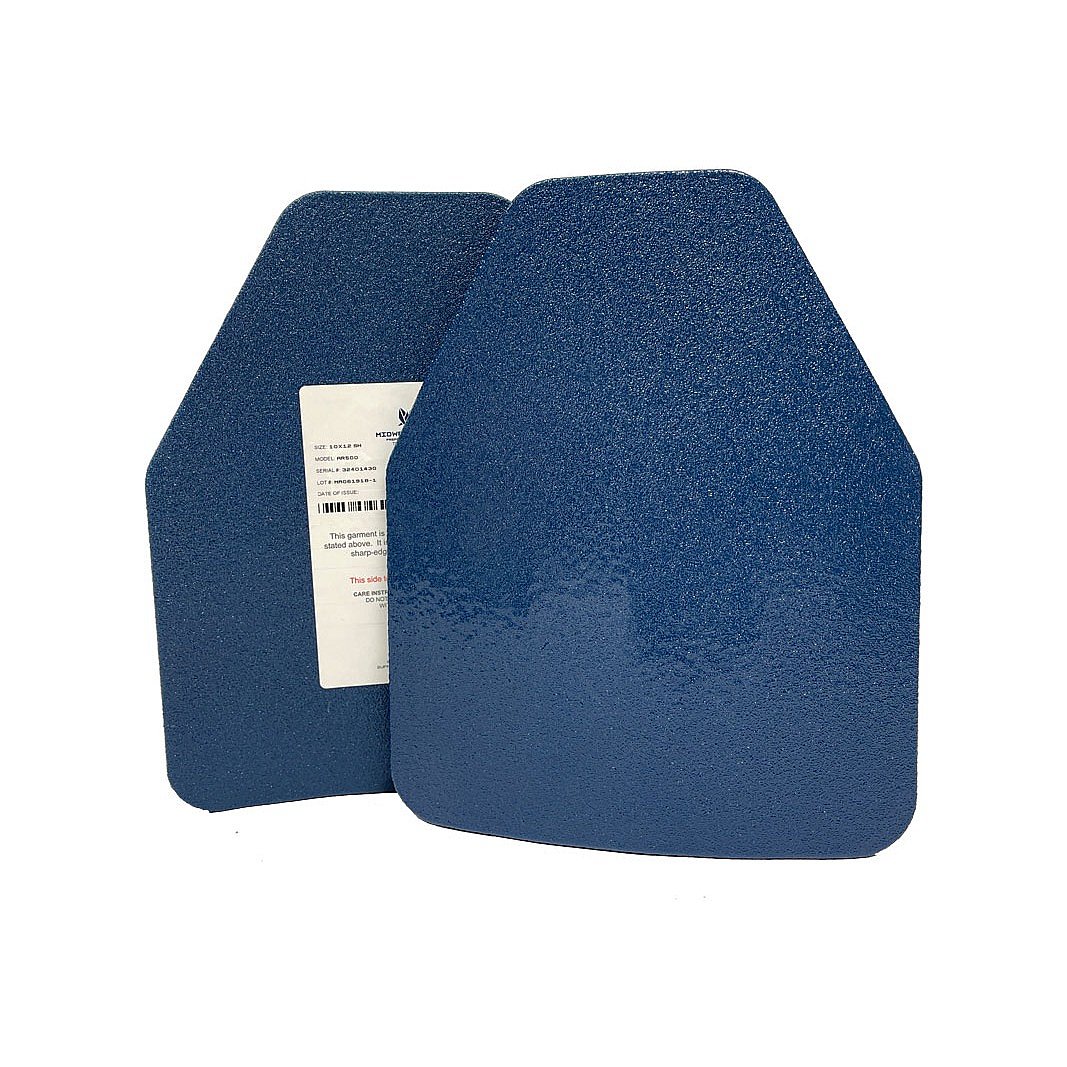
Steel body armor is a live debate in the civilian market, and has been for as long as hard plates have been affordable enough for non-government buyers. Ad copy sells steel as cheap, tough, and bulletproof-forever. Forum threads argue about whether the spalling problem is real or overhyped. YouTube videos show steel plates eating rifle rounds and shrugging off abuse. Meanwhile, professional operators and most serious manufacturers have moved away from steel entirely.
So what is the truth? Is steel armor still worth buying in 2020, or has it been superseded by better materials? We are a family-owned shop that has been manufacturing body armor in Knoxville for over a decade, and we have watched this debate cycle through multiple times. Here is our honest take, with no marketing spin, on when steel makes sense and when it does not.
What Steel Armor Actually Is
Steel body armor plates are typically manufactured from AR500 or AR550 armor steel. AR stands for “abrasion resistant,” and the number refers to the Brinell hardness rating. AR500 is hard enough to stop most rifle threats when sized to a standard plate geometry (roughly 10×12 SAPI cut or Shooter’s cut). AR550 is marginally harder and can handle slightly higher-velocity threats.
A typical AR500 plate at 10×12 dimensions and 1/4-inch thickness weighs between 7.5 and 9 pounds. That is per plate. A full front-and-back setup in steel is 15 to 18 pounds of plate weight alone, before adding a carrier, soft armor backer, or MOLLE gear.
The main appeal of steel is straightforward. It is cheap. You can buy a pair of AR500 plates for under $150 in many cases. It does not degrade in storage the way polyethylene or ceramic can. It does not crack from impacts. And it reliably stops the rifle rounds it is rated against.
The Spalling Problem
This is the core issue with steel, and it is not marketing FUD. It is a real physical phenomenon with documented consequences.
When a rifle round hits a steel plate, the round does not just stop cleanly. It shatters on the hard surface, and the fragments do not simply fall to the ground. They scatter outward along the plate’s face, traveling sideways at significant velocity. Those fragments are sharp, hot, and moving fast enough to lacerate, embed, or penetrate soft tissue near the impact point.
The areas most at risk from spall are the neck, the jaw, the upper arms, and the face. If you are shot in the center of the chest plate, spalling fragments travel up toward your throat and face, outward toward your shoulders and biceps, and downward along the plate. A round that the plate successfully stops can still cause significant secondary injuries.
This is not theoretical. There is video evidence, documented testing, and field reports showing spalling injuries from steel plates. The physics are straightforward: rifle rounds carry massive kinetic energy, and when they stop suddenly against a rigid surface, that energy has to go somewhere. Softer materials absorb it into deformation. Ceramic absorbs it into fracture patterns. Steel redirects it sideways, at the wearer.
Anti-Spall Coatings
Manufacturers address spalling with coatings. Line-X, Rhino liner, or proprietary polymer coatings applied to the strike face of the plate are designed to catch fragments and prevent lateral scatter. These coatings help. They do not eliminate the problem.
Anti-spall coatings reduce the velocity and distance of fragment scatter, but they cannot contain every fragment from every round. The effectiveness varies with coating thickness, coating quality, the specific round being fired, and the angle of impact. A thick, well-applied coating catches most spall from most rounds. A thin or poorly-applied coating catches less. No coating catches everything.
If you run steel, run it with a quality anti-spall coating. Bare AR500 without coating is a liability.
The Weight Problem
A steel plate setup weighs roughly twice what a polyethylene setup weighs. Over the course of a long day of wear, that difference matters. It matters on patrol. It matters in training. It matters in any scenario where you are moving for extended periods under load.
Weight is not just about subjective comfort. Carrying 15-18 pounds of plates versus 8 pounds of polyethylene changes how you move, how quickly you fatigue, how long you can sustain aerobic activity, and how accurately you can shoot under load. These are measurable effects in training environments. The heavier setup is measurably harder to work in.
There are use cases where weight matters less. A static defensive position where you do not expect to move much. A vehicle-based response where the plates come off the moment you reach cover. Short-duration wear for home defense where you are donning the gear under pressure, engaging briefly, and either resolving the threat or not.
For everything else, especially any scenario involving sustained movement, weight is a real cost. Polyethylene and ceramic alternatives exist specifically to address this, and they work.
The Storage Advantage (Real but Limited)
Steel’s main storage advantage is shelf life. AR500 does not degrade the way polyethylene does with heat exposure, and it does not develop internal cracks the way ceramic can from drops. A steel plate sitting in a closet for 20 years is still a functional steel plate (assuming the coating has not peeled, which it can over long storage periods).
For preppers specifically planning around long-duration storage without rotation, this is a real advantage. A set of coated AR500 plates stored properly will still perform decades from now. Polyethylene plates in the same storage conditions might be past their manufacturer’s rated lifespan.
The limit: this only matters if the plates are actually stored and never used. The moment you start wearing them, the calculus shifts. In active use, weight and spall matter more than storage life. And for most buyers, storage life is not the primary concern. The plate you buy today is the plate you might wear in the next five years, not the plate you are banking for 2045.
When Steel Might Still Make Sense
There are narrow cases where steel is a reasonable choice. Being honest about this matters.
Budget-constrained preppers with storage-first use case. If your armor budget is genuinely under $200, steel may be your only option for rifle-rated plates. Anti-spall coating is mandatory. Acknowledge the weight penalty and plan around static-position use.
Static defensive positions. A rural property owner who plans to put armor on, take a defensive position, and stay there through an event has different constraints than a patrol officer or a shooter on the move. Weight matters less when you are not moving much. Spall still matters, so coatings are still mandatory.
Training-only plates. Some shooters run cheap steel in training to avoid wearing out expensive ceramic or polyethylene plates with repeated impacts. This is defensible, assuming you never mix up your training plates and your duty plates.
Outside these cases, we have a hard time recommending steel. And even inside these cases, the gap between budget steel and budget polyethylene has narrowed significantly in recent years.
Why We Do Not Sell Steel
Midwest Armor does not manufacture or sell steel body armor plates. We make this choice deliberately, and the reasoning is worth sharing.
First, the spalling liability. Even with the best anti-spall coating, steel carries a secondary injury risk that the alternatives do not. When we send armor to a customer, we want it to protect them, not introduce a different category of injury they did not have before. Polyethylene and ceramic do not have this problem.
Second, the weight penalty. Most of our customers are active wearers: patrol officers, civilians doing home defense setups, people who train with their armor regularly. In all of these scenarios, the 8-pound difference between steel and polyethylene is a real quality-of-life difference. We are not willing to sell gear that makes our customers’ wear experience measurably worse when better alternatives exist at similar price points.
Third, the market has moved. Quality polyethylene Level III plates are available today at price points that were steel-only territory five years ago. The cost argument for steel has gotten weaker every year as polyethylene manufacturing has scaled. Ceramic Level IV plates are still more expensive, but polyethylene Level III has effectively replaced budget steel for most buyers who actually understand the trade-offs.
What we do offer for rifle protection: Level III and Level IV hard plates from vetted American manufacturers, in polyethylene and ceramic constructions. We cover these on our main product pages and in the Body Armor Guide.
What to Look for If You Are Buying Steel Anyway
If your decision is already made and you are buying steel regardless, here is what to verify before you commit.
Verified AR500 or AR550 hardness. Not all “steel armor” is actually AR-grade. Some budget plates use softer steels that are labeled misleadingly. Ask for the specific steel grade and, ideally, a mill certificate or test documentation.
Quality anti-spall coating. Line-X, Rhino liner, or a proprietary coating applied to the strike face and, ideally, wrapped over the edges. Thin coatings and spray-on coatings applied at home are not the same as factory-applied structural coatings. Verify the manufacturer’s coating process before buying.
NIJ 0101.06 testing. Level III or Level III+ certified or tested to standard. Cheap steel plates that are not tested against the NIJ threat protocol are a gamble. Established manufacturers publish their test data.
American manufacturing. This matters for steel more than most products because the quality control on foreign armor steel has historically been inconsistent. Domestic AR500 from a reputable supplier is the baseline. If you cannot confirm origin, move on.
Pair with trauma pads or soft armor backing. Steel plates produce significant backface deformation when hit. A soft trauma pad or IIIA soft armor panel behind the steel reduces the risk of injury from the plate deforming into the wearer’s chest. Do not run steel bare against your body.
The Honest Verdict
Steel armor is not “bad.” It is a specific tool with specific trade-offs, and those trade-offs have gotten harder to justify as alternative materials have become more accessible. The steel-is-cheap argument is weaker every year. The steel-lasts-forever argument only matters for true storage scenarios. The steel-is-tough argument is correct but irrelevant for buyers who are not planning to drop-test their plates.
What steel is not going to do is shed the spalling problem or the weight penalty. Those are baked into the material. If you are buying armor in 2020 and your primary concerns are weight, spall, and performance per dollar, polyethylene Level III with quality soft armor backing is almost always the better call. If your concern is long-term storage without rotation and your budget is tight, coated AR500 is defensible. For everything in between, the alternatives win.
If you are working through this decision and want to talk it through, text us at 865.859.9850 or email support@midwestarmor.com. We are happy to walk through threat matching, weight considerations, and what actually fits your use case. We are not trying to sell you the most expensive option. We are trying to sell you the right one.
For the full picture on armor levels, testing standards, and buyer decision-making, read our complete Body Armor Guide. For how to mount and run the plates you choose, see our Plate Carriers Guide.
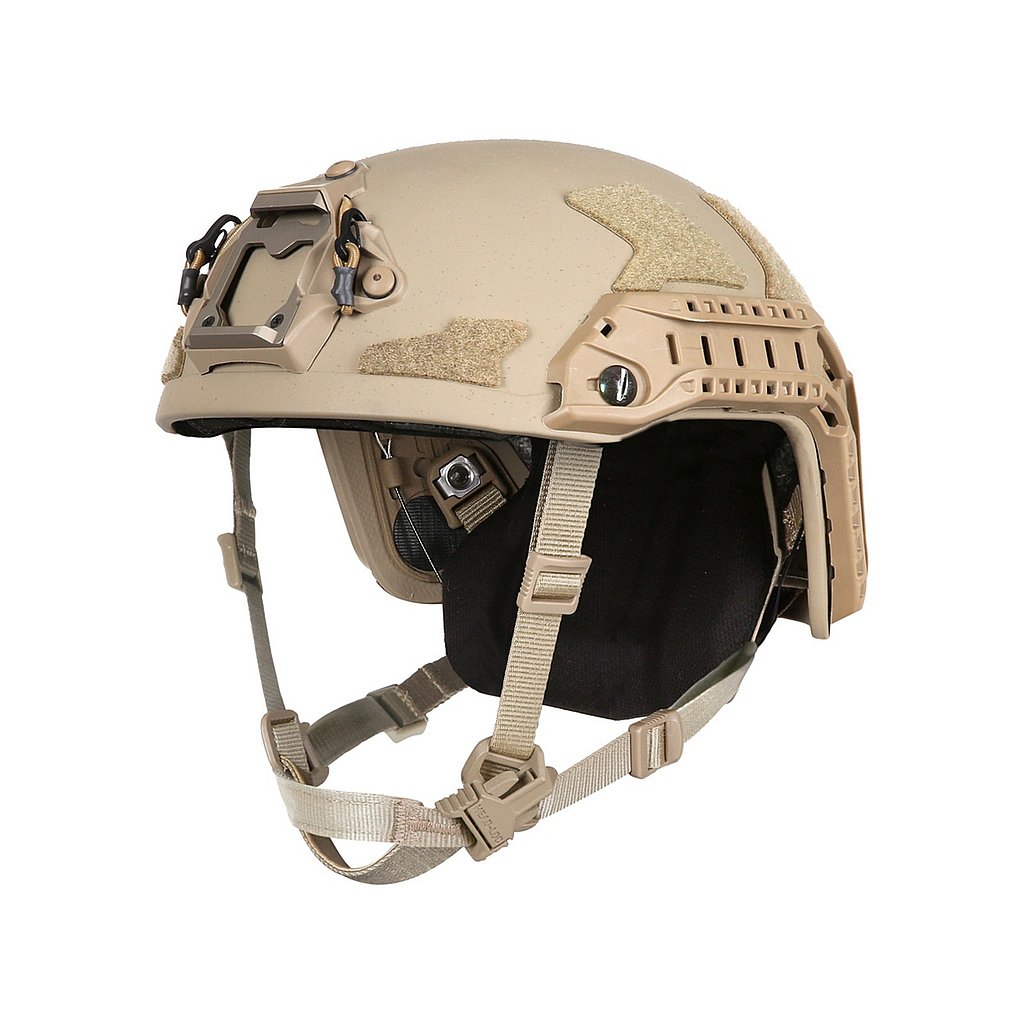
Ops-Core FAST SF Gen II Guide: Sizing, Weight, Protection and Setup
Ops-Core makes the FAST helmet, the high cut design most of the market has copied since. Ops-Core is part of Gentex Corporation, and its helmets are…
Ops-Core FAST SF Gen II vs PGD ARCH GEN3: Which High Cut Helmet to Buy
We carry two high cut ballistic helmets: the Ops-Core FAST SF Gen II and the PGD ARCH GEN3. Both are rated NIJ Level IIIA, both have…
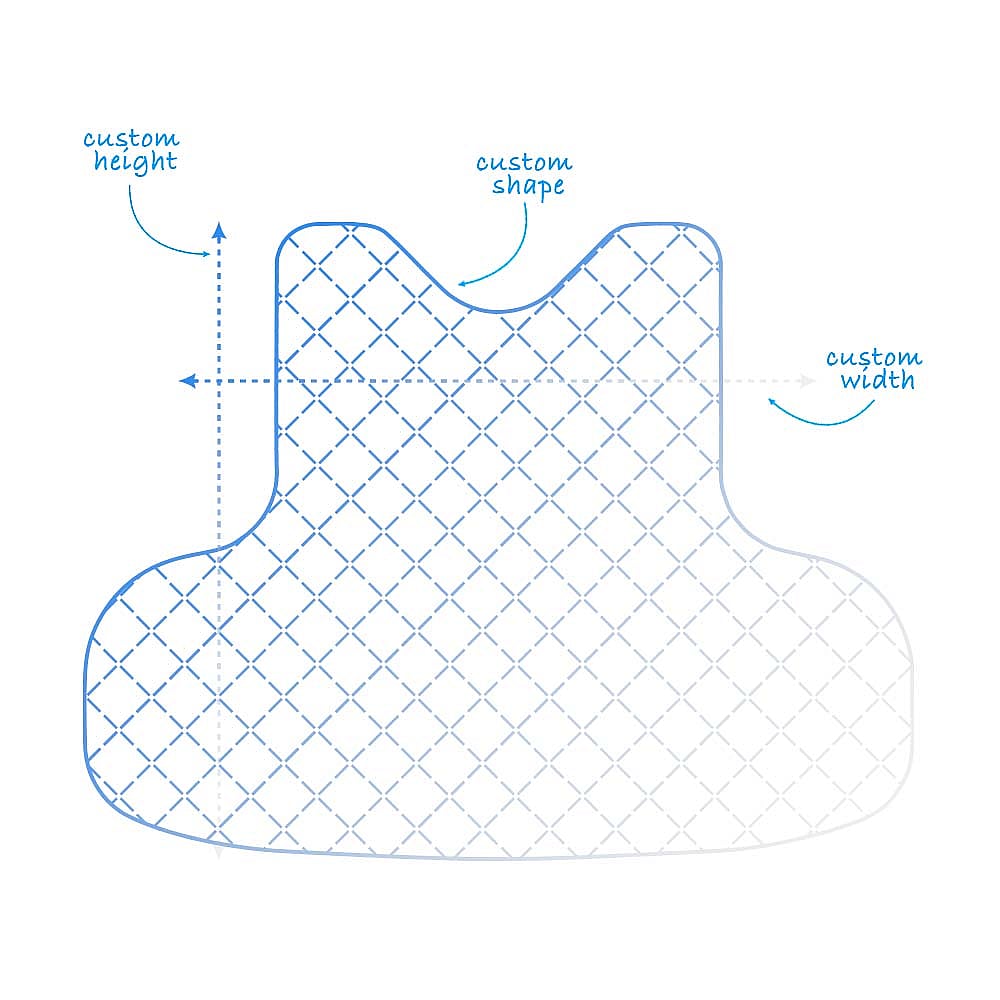
Custom Soft Armor: How to Get Inserts That Actually Fit Your Carrier
Most soft armor doesn't fit the carrier you actually own. Here's how our Custom Soft Armor program solves the fit problem and when to choose custom…