



QuikClot and Hemostatic Gauze: How Clotting Agents Stop Bleeding
QuikClot and hemostatic gauze stop bleeding that a tourniquet cannot reach. Here is how clotting agents work, how wound packing works, and where this fits in your kit.
A tourniquet stops bleeding in an arm or a leg. But a tourniquet cannot be applied to a wound in the shoulder, the groin, the neck, or the torso, the areas medical professionals call junctional. For bleeding in those areas, and for deep wounds anywhere, the tool is hemostatic gauze: gauze treated with a clotting agent, packed directly into the wound. This is one of the most important and least understood items in a serious trauma kit.
This guide explains how clotting agents work, what QuikClot and hemostatic gauze actually are, how wound packing works, and where this fits in your kit. It is educational, not a substitute for hands-on trauma training.
Why a Tourniquet Is Not Enough
The tourniquet is the right tool for massive bleeding from a limb. It is fast, it is simple, and it works. But the tourniquet has a hard limitation: it only works where you can wrap a band around the limb above the wound. That covers the arms and legs. It does not cover the junctional areas where the limbs meet the torso, and it does not cover the torso, neck, or head.
Junctional bleeding (the shoulder, the armpit, the groin, the buttock, the neck) is some of the most dangerous bleeding there is, precisely because a tourniquet cannot address it. For these wounds, the answer is wound packing with hemostatic gauze.
How Clotting Agents Work
Hemostatic agents accelerate the body’s natural clotting process. Normal clotting takes time that a severe bleed does not give you. A hemostatic agent speeds that process dramatically at the point of the wound.
Modern hemostatic gauze uses one of two main approaches. The most common today is kaolin, an inorganic mineral that activates the body’s clotting cascade on contact with blood. Kaolin is the agent in the QuikClot product line. The other common approach uses chitosan, a substance derived from shellfish that works by a different mechanism, forming a sticky barrier that adheres to tissue and seals the bleed.
Both approaches are effective. Modern hemostatic gauze does not generate the heat that very early-generation hemostatic powders did, and the gauze format has almost entirely replaced the loose-powder format because gauze is easier to pack, easier to control, and easier to remove cleanly at the hospital.
QuikClot and Hemostatic Gauze: The Terminology
The terminology trips people up, so to be clear: QuikClot is a brand name. It is a widely used line of kaolin-based hemostatic products. Combat Gauze is the specific QuikClot product most associated with military and tactical use. Hemostatic gauze is the general category that QuikClot Combat Gauze belongs to.
When someone says they carry QuikClot, they generally mean they carry a kaolin-impregnated hemostatic gauze for wound packing. The function is the same regardless of the exact brand: gauze plus clotting agent, packed into a wound.
We stock Combat Gauze LE, the law enforcement version of the QuikClot Combat Gauze that has been the standard hemostatic gauze for tactical and military trauma care. It is kaolin-based, vacuum-sealed, and sized for packing junctional and deep wounds. For lighter kits, we also carry the My Medic Gauze Mod line.
How Wound Packing Works
Wound packing is the technique of physically stuffing hemostatic gauze into a wound cavity to apply direct pressure from the inside and bring the clotting agent into contact with the bleeding source. This is a trained skill. The summary below is to explain the concept, not to replace hands-on instruction.
The general process: locate the source of the bleeding inside the wound, pack the hemostatic gauze tightly into the wound cavity directly onto that source, continue packing until the cavity is full, then hold firm direct pressure for a sustained period (commonly three minutes or more) to let the clot form. Once the bleeding is controlled, the packed wound is secured with a pressure dressing.
The keys are getting the gauze onto the actual bleeding source, packing tightly enough to apply real pressure, and then holding long enough for the clot to set. Wound packing done halfway does not work. This is exactly why hands-on training matters: the technique has to be drilled.
Where Hemostatic Gauze Fits in Your Kit
Hemostatic gauze is a core component of a complete bleeding-control kit, alongside the tourniquet, the pressure dressing, and chest seals. The standard logic of a trauma kit:
- Tourniquet for massive limb bleeding.
- Hemostatic gauze for junctional bleeding and deep wounds a tourniquet cannot address.
- Pressure dressing to secure a packed wound and apply sustained pressure.
- Chest seal for penetrating chest wounds.
These tools cover the major preventable causes of death from trauma. A kit with a tourniquet but no hemostatic gauze has a real gap: it cannot address junctional bleeding. Our Individual Bleeding Control Kit assembles these components together, and our complete IFAK guide walks through building out a full kit.
Bottom Line
Hemostatic gauze fills the gap a tourniquet cannot reach: junctional bleeding and deep wounds. A clotting agent, most often kaolin, accelerates clot formation when the gauze is packed onto the bleeding source. It belongs in every serious trauma kit alongside the tourniquet, pressure dressing, and chest seal, and it requires hands-on training to use well.
We stock Combat Gauze LE for wound packing. For a complete kit, see the Individual Bleeding Control Kit and our complete IFAK guide. For limb bleeding, see our tourniquet guide.
This article is educational and does not replace professional trauma training. Seek hands-on instruction from a recognized bleeding-control course.
FAQ
QuikClot is a brand name for a line of kaolin-based hemostatic products. Hemostatic gauze is the general category. QuikClot Combat Gauze is a specific hemostatic gauze product. When people say QuikClot, they usually mean a kaolin-impregnated hemostatic gauze for wound packing.
Hemostatic gauze is treated with a clotting agent, most commonly kaolin, that accelerates the body’s natural clotting process on contact with blood. Packed into a wound, it brings the agent onto the bleeding source and applies internal pressure, allowing a clot to form much faster than it would naturally.
A tourniquet works on limbs where a band can be applied above the wound. Hemostatic gauze is for junctional bleeding (shoulder, armpit, groin, neck) and deep wounds where a tourniquet cannot be placed. A complete kit carries both, because they address different wounds.
Modern kaolin and chitosan hemostatic gauze does not generate significant heat. Very early-generation hemostatic powders had heat issues, which is one reason the loose-powder format has been almost entirely replaced by the safer, easier-to-use gauze format.
Yes. Wound packing is a hands-on skill: getting the gauze onto the bleeding source, packing tightly enough, and holding pressure long enough all have to be drilled. Hemostatic gauze in a kit without training is far less effective. Take a recognized bleeding-control course.
Yes. Hemostatic gauze is vacuum-sealed and carries an expiration date. Check the date periodically and replace expired gauze. A compromised vacuum seal also means the gauze should be replaced, since the seal protects the product.
Plain gauze can be used to pack a wound and is far better than nothing, but it lacks the clotting agent that makes hemostatic gauze work faster on severe bleeds. For a serious trauma kit, hemostatic gauze is the right choice for junctional and deep wounds.
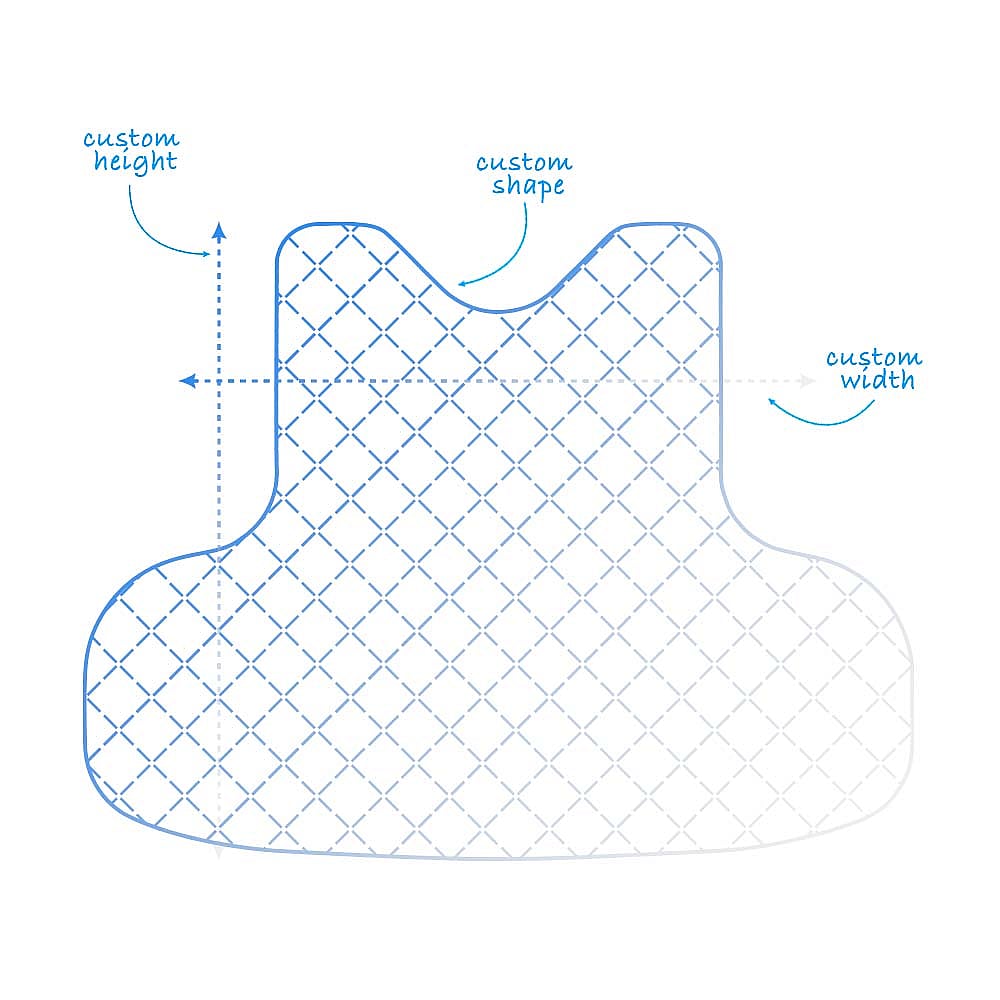
Custom Soft Armor: How to Get Inserts That Actually Fit Your Carrier
Most soft armor doesn't fit the carrier you actually own. Here's how our Custom Soft Armor program solves the fit problem and when to choose custom…
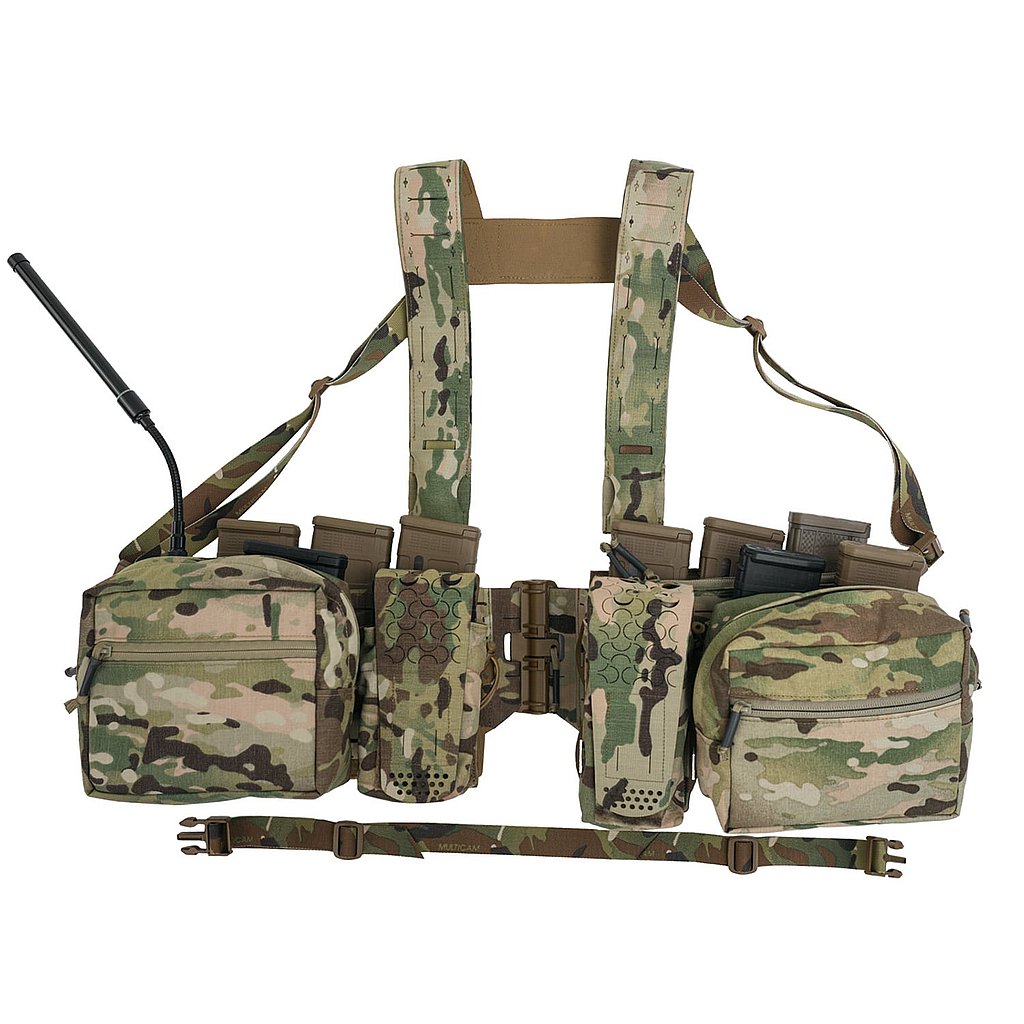
Layering a Chest Rig Over a Plate Carrier: When and How
Layering a chest rig over a plate carrier gives you ballistic protection plus high-capacity gear carriage. The SRV Split Chest Rig is purpose-built for this layered…
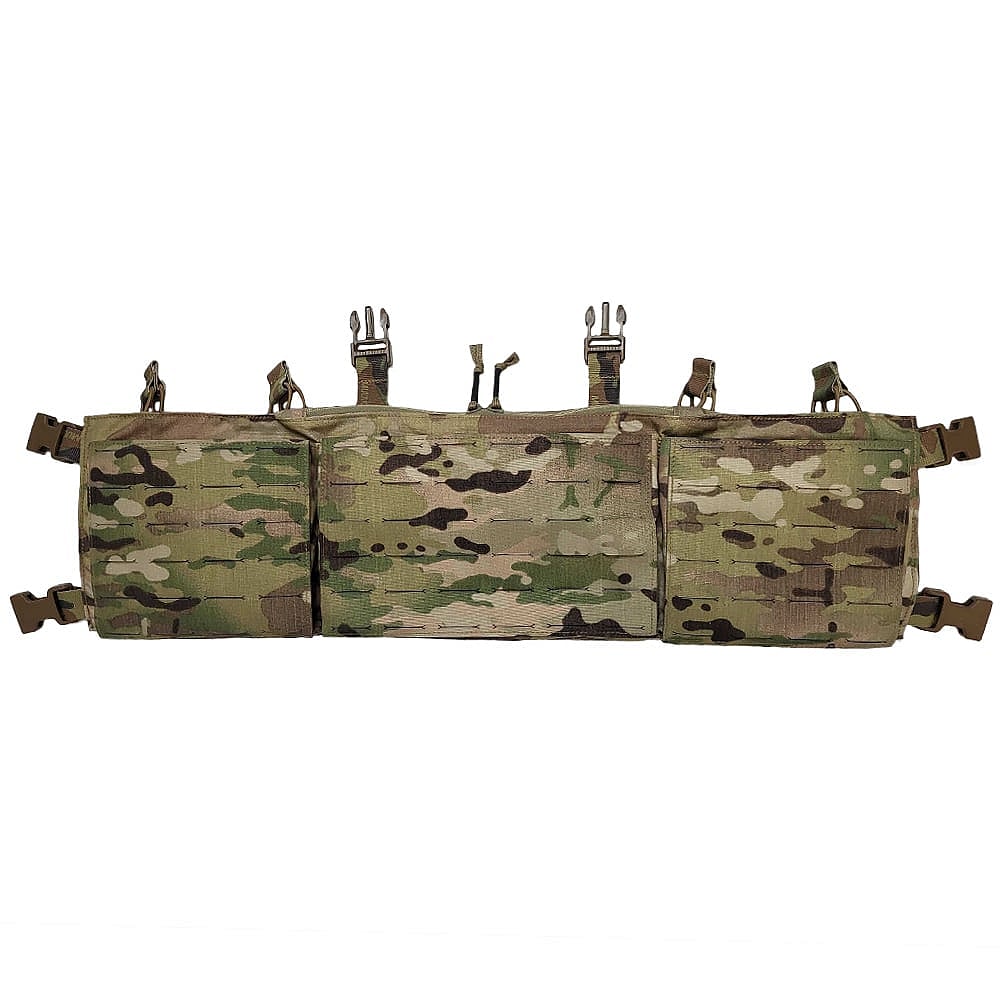
Best Chest Rig: How to Pick the Right Rig for Your Role
The best chest rig is the one that matches your role, mag count, and platform. Here is how to pick between continuous, modular, split, and minimalist…