



SRV Split Chest Rig: Modular Two-Piece Design Review
The SRV Split Chest Rig is a modular two-piece rig that breaks down into independent halves. Here is who it is for, why we built it, and how it compares to traditional rigs.
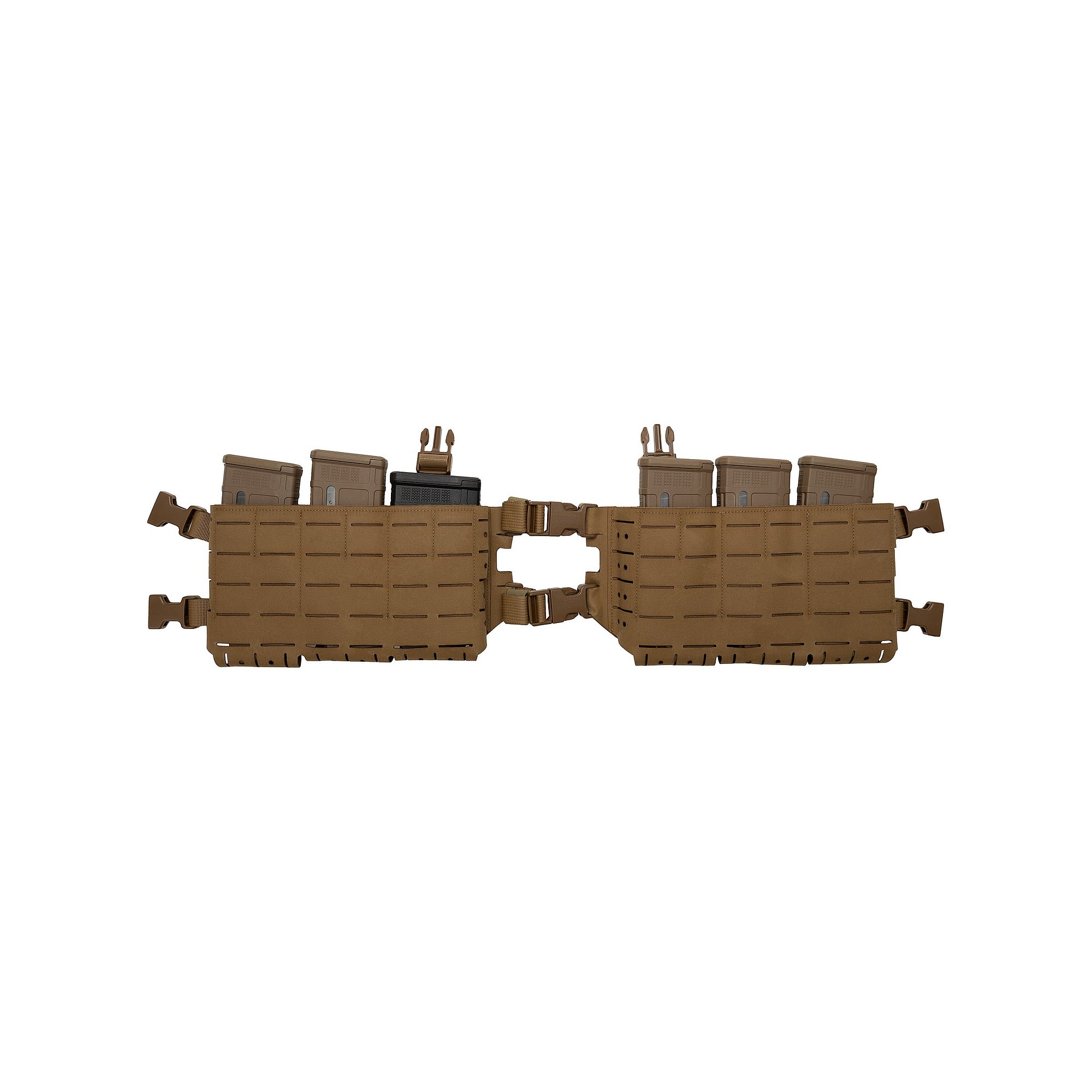
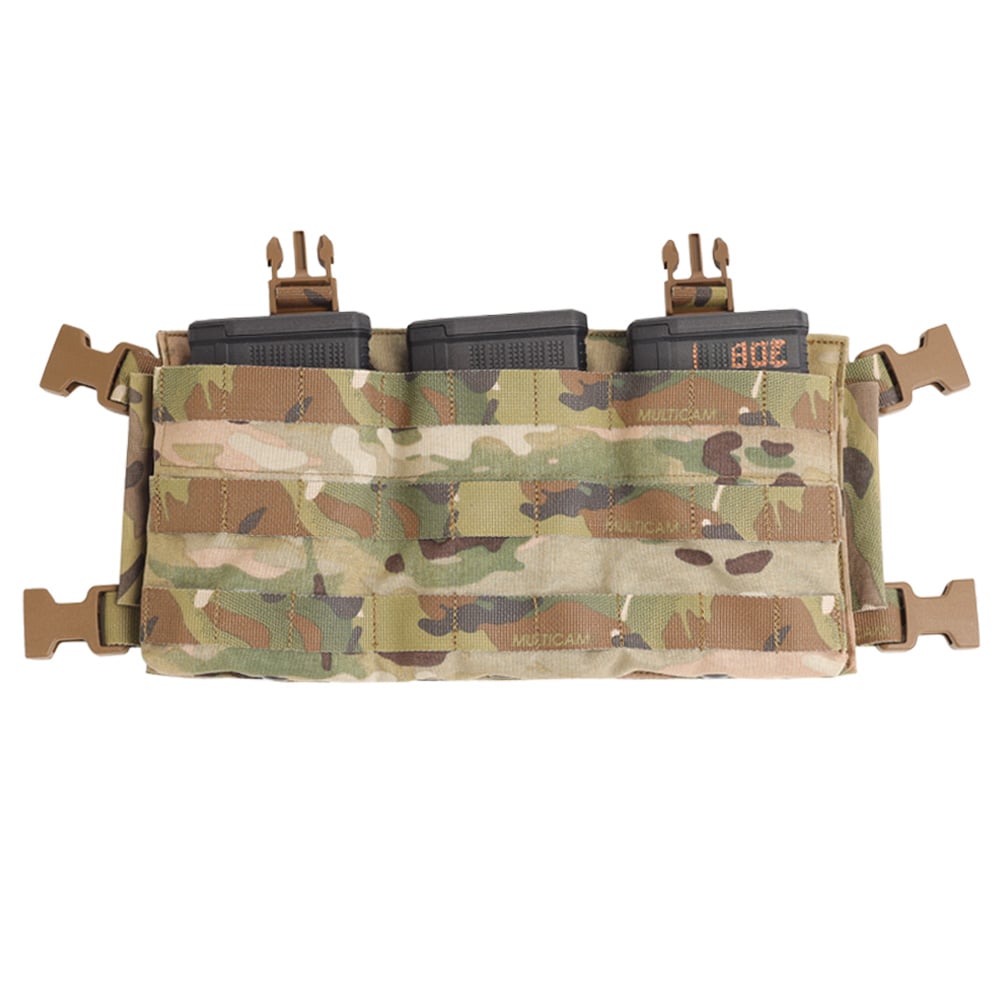
The SRV Split Chest Rig is a modular two-piece chest rig that breaks down into independent left and right halves connected by an adjustable harness. We built it for users who want a chest rig that adapts to different missions without buying multiple rigs, and for shooters who need a faster way to don and doff a fully-loaded rig over plate carriers, medical gear, or layered clothing.
If you have not run a split chest rig before, this guide explains what makes the format different, what tradeoffs come with the design, and where the SRV fits into a serious shooter’s loadout.
What Is a Split Chest Rig?
A traditional chest rig is one continuous panel across the chest, attached to a harness with shoulder straps and a back strap. A split chest rig replaces the continuous panel with two independent halves that connect at the centerline (usually with a buckle or hook-and-loop). Each half can be loaded with mags, admin pouches, or medical gear independently.
The advantage is reconfigurability. The disadvantage is a small amount of additional weight and complexity at the centerline connection point. Whether the tradeoff is worth it depends entirely on how you use a chest rig.
Why We Built the SRV
We built the SRV after watching customers run into the same loadout problem repeatedly. A serious shooter often owns multiple chest rigs: a heavy rifle rig for training, a minimalist rig for civilian carry, an admin-heavy rig for instructor work, a medical-heavy rig for SAR. Each rig solves one problem. None of them adapt.
The SRV solves this with one rig and modular halves. Run mags on both sides for a rifle rig. Swap one half for a medical-heavy half for SAR or remote work. Go minimalist by leaving one half off entirely. The harness, buckles, and back strap stay constant.
The other use case is layering. Donning a fully-loaded chest rig over a plate carrier, body armor, or layered cold-weather gear is awkward with a continuous-panel rig. With the SRV, you connect the rig at the centerline after putting it on, the same way you connect a battle belt buckle. This is the SRV’s hidden ergonomic advantage.
SRV Versus Traditional Chest Rigs
Compared to our traditional chest rigs (the Hilo Laser Recon Chest Rig V2, Hilo Runner, and Hilo MOLLE Recon), the SRV trades a small amount of structural rigidity for modularity and donning ergonomics.
Pick the SRV if: you run multiple loadout configurations, you wear the rig over plate carriers or layered gear regularly, or you want one rig platform that adapts rather than three rigs that do not.
Pick a traditional Hilo rig if: you have one consistent loadout, you prioritize structural rigidity over modularity, or you want the lightest possible rig (continuous-panel rigs save 4-6 oz over a split rig).
SRV Configuration Options
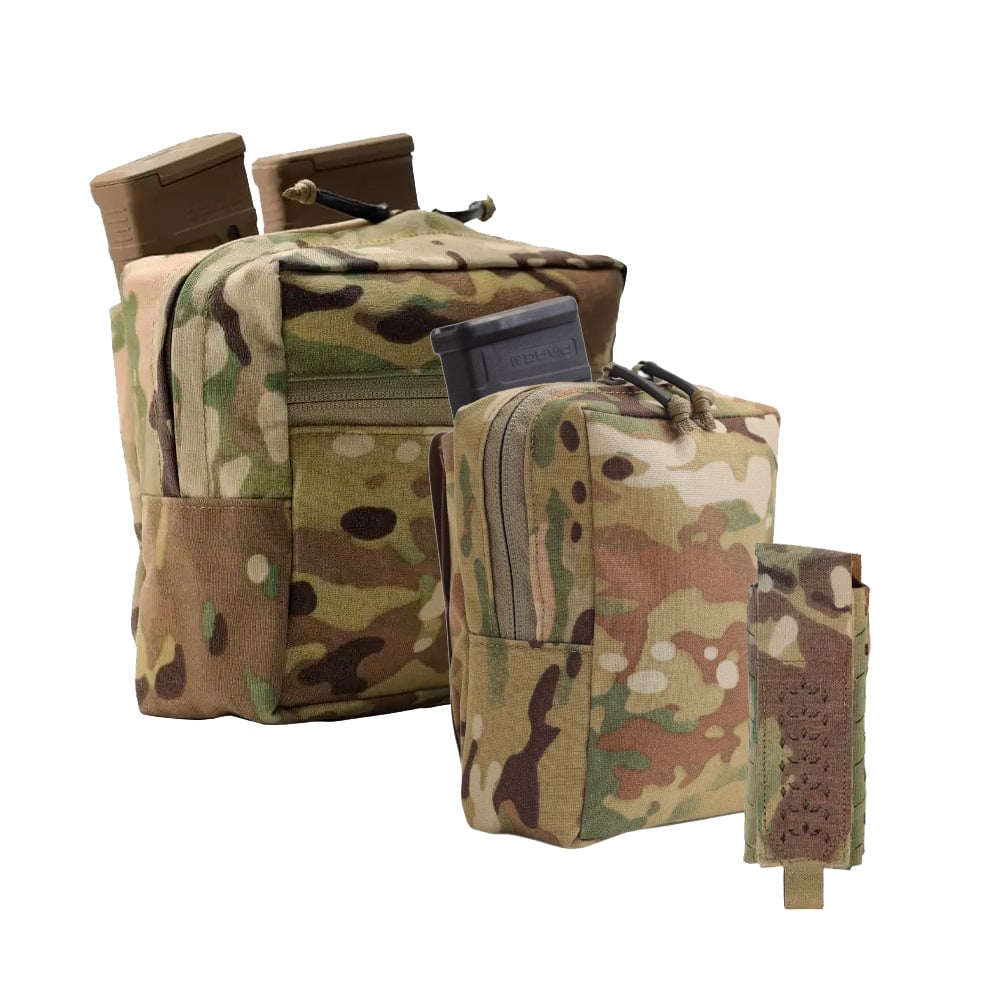
The SRV is available as the bare rig (SRV Split Chest Rig) or as a complete bundle (SRV Split Chest Rig Bundle) that includes the rig plus a zip insert pouch, mag pouches, and a back strap. The bundle is the right starting point for most buyers.
The SRV Zip Insert Pouch is the modular insert that fits the front of either half. It accepts mag pouches, admin gear, or medical gear depending on what you load it with. Multiple insert types let you reconfigure the rig in minutes without re-attaching pouches one at a time.
Built in Knoxville
Like every chest rig and pouch we build, the SRV is cut and sewn in Knoxville from Berry Compliant Cordura with American hardware. We use the same Cobra buckles, Tubes hardware, and ITW components on the SRV that we use on the rest of the Hilo line, so the rig will outlast the gear you put in it.
For a deeper look at chest rig setup, configuration, and how to choose the right rig for your role, see our complete guide to the chest rig and how to run one.
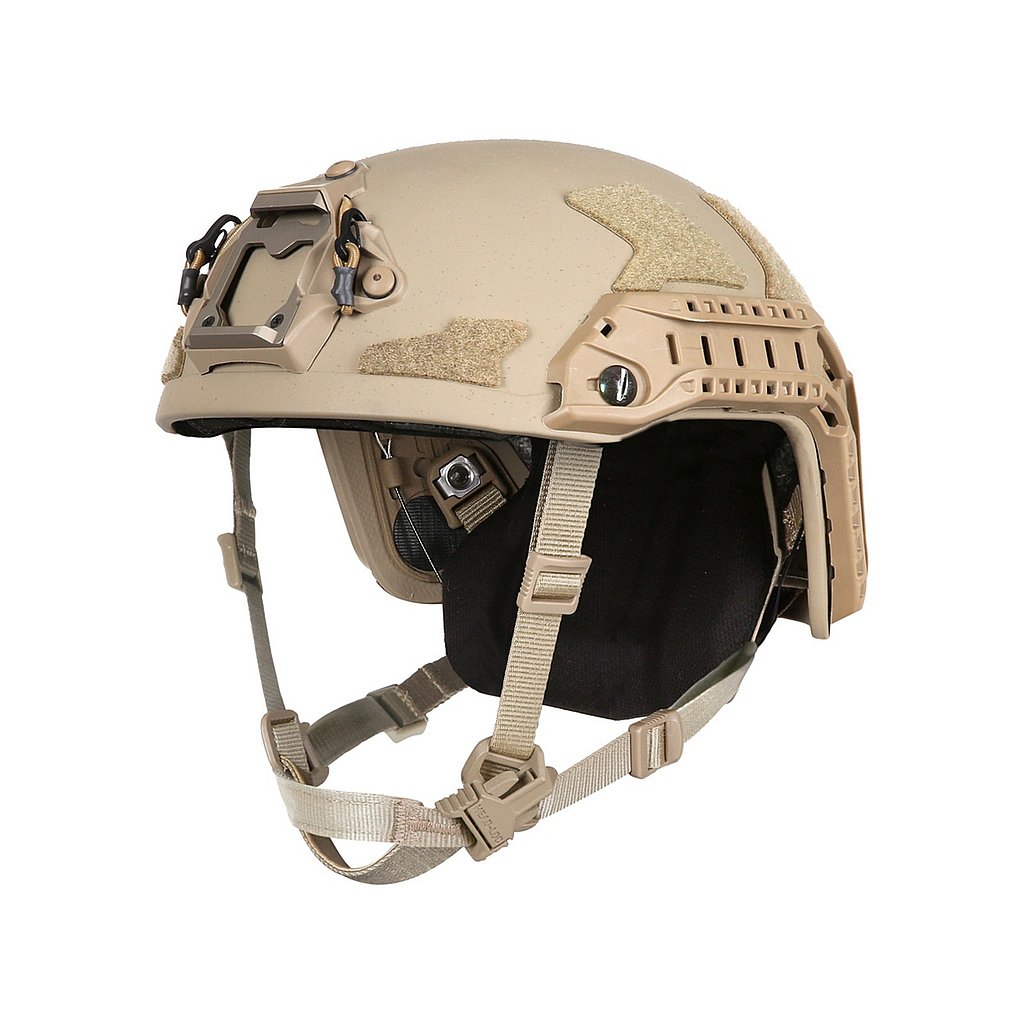
Ops-Core FAST SF Gen II Guide: Sizing, Weight, Protection and Setup
Ops-Core makes the FAST helmet, the high cut design most of the market has copied since. Ops-Core is part of Gentex Corporation, and its helmets are…
Ops-Core FAST SF Gen II vs PGD ARCH GEN3: Which High Cut Helmet to Buy
We carry two high cut ballistic helmets: the Ops-Core FAST SF Gen II and the PGD ARCH GEN3. Both are rated NIJ Level IIIA, both have…
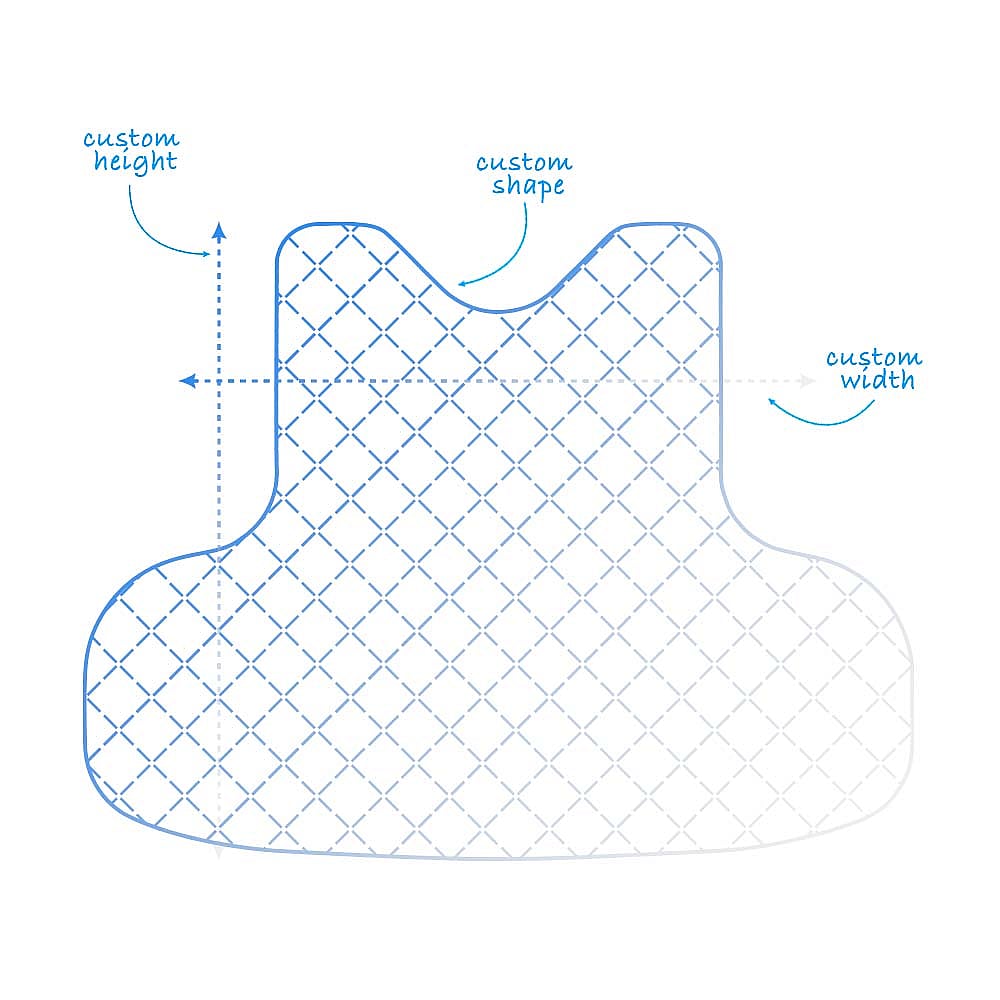
Custom Soft Armor: How to Get Inserts That Actually Fit Your Carrier
Most soft armor doesn't fit the carrier you actually own. Here's how our Custom Soft Armor program solves the fit problem and when to choose custom…