



Plate Carrier vs Chest Rig: When to Pick Each (and When to Run Both)
Plate carriers hold armor plates; chest rigs hold gear without armor. Here is when to pick each, when to run both layered, and how the Leap Kit and SRV Bundle answer each path.
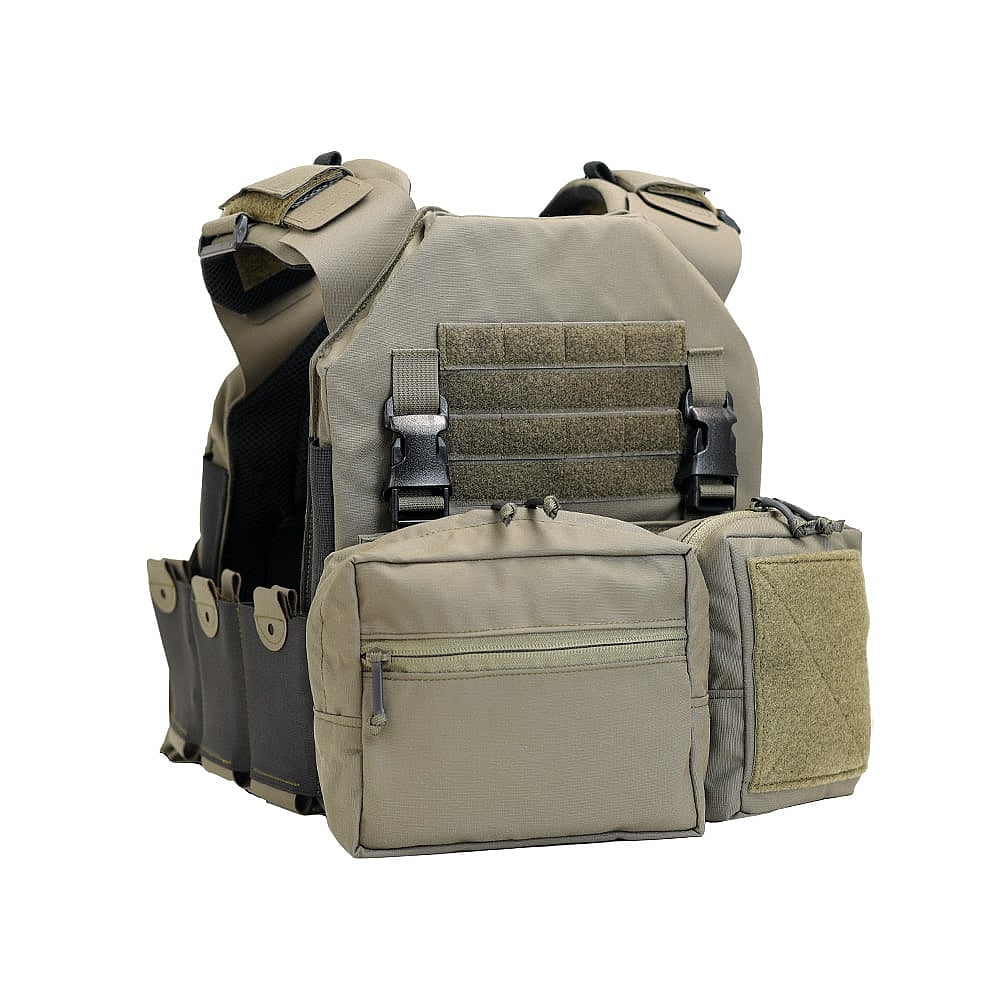
Plate carrier or chest rig is one of the most-asked questions we field from new buyers. The two systems look similar at a glance, share a lot of the same accessories, and serve overlapping use cases, but they solve different problems. Picking the wrong one for your scenario means spending a lot of money on gear that does not fit your actual mission. Picking the right one means a system that earns its place every time you use it.
This guide explains what each system actually is, when to pick each, and when to run both layered together. By the end you should be able to make this decision confidently for your specific use case.
The Short Answer
Plate carriers hold ballistic plates and protect against bullets. Chest rigs hold ammunition and gear but offer no ballistic protection on their own. If you want body armor, you need a plate carrier. If you want light, modular ammunition and equipment carriage without armor, you want a chest rig. Many serious users own both: a plate carrier for armed-threat scenarios, a chest rig for training, hunting, or non-ballistic operational use.
For buyers who want the easy-button answers: the Leap Plate Carrier Starter Kit ($299) is our entry-tier complete plate carrier system. The SRV Split Chest Rig Bundle ($399.50) is our premium complete chest rig. Both ship as configured systems so you do not have to assemble eight SKUs to get started.
What a Plate Carrier Actually Is
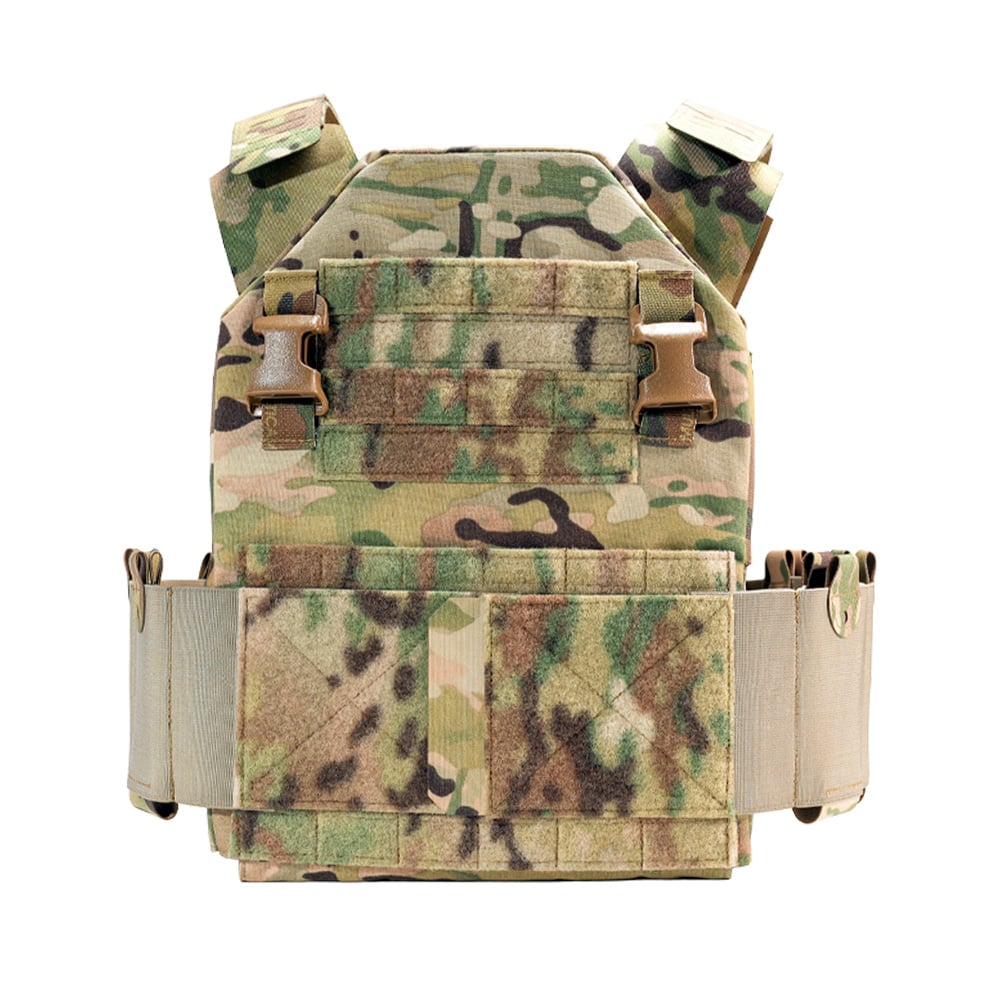
A plate carrier is a vest specifically designed to hold ballistic plates (hard armor for rifle threats) and optionally soft armor inserts (for fragmentation and handgun threats). The carrier itself is just nylon and webbing; it provides zero ballistic protection on its own. Adding plates is what makes the carrier function as body armor.
Plate carriers carry the weight of plates (typically 5-10 lb of armor) plus magazines, IFAK, admin gear, and any other accessories you mount via MOLLE webbing. The shoulder straps, cummerbund, and load-bearing structure are all engineered around managing that weight comfortably for sustained wear.
Pick a plate carrier when:
- You face credible armed threats (LEO, military, security, civilians with documented threat profiles).
- You want a home defense rifle setup with ballistic protection (the truck rig scenario).
- Your role requires you to carry plates as standard kit.
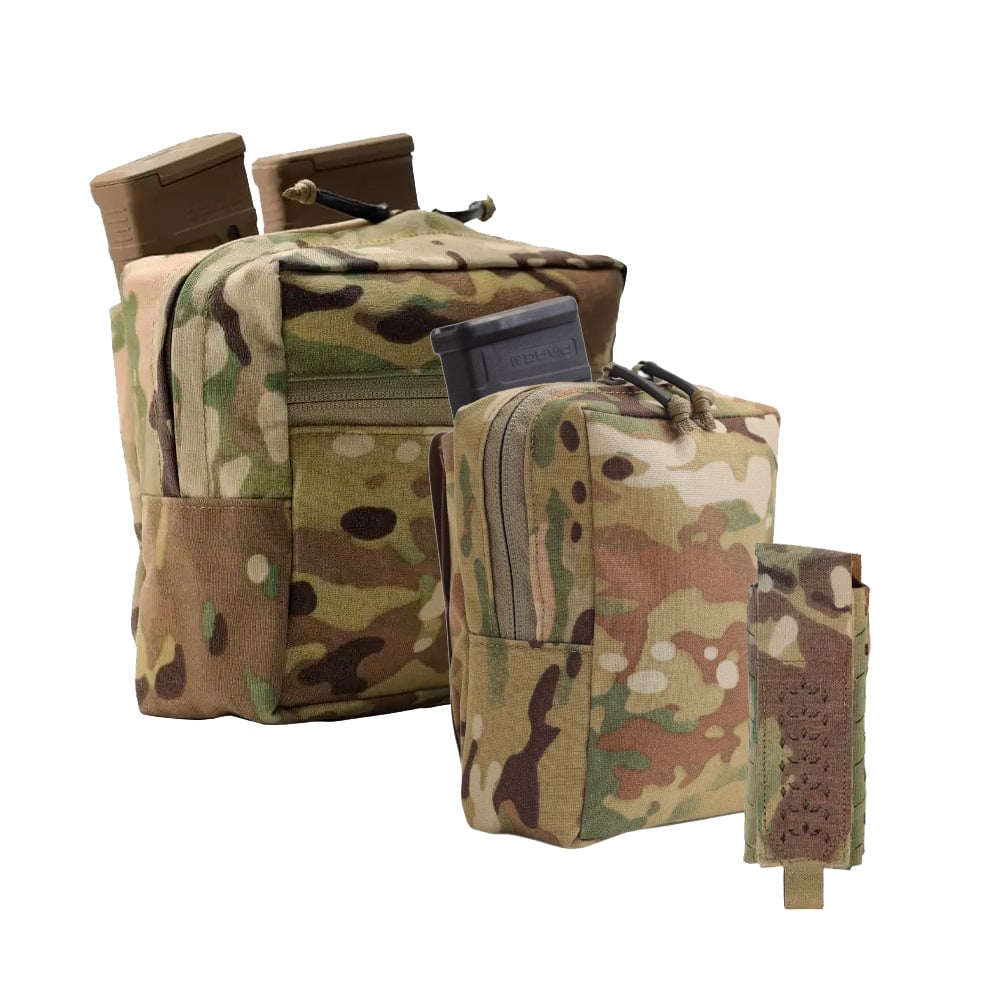
Most civilian buyers who buy a plate carrier do so for home defense or truck rig use. For that scenario, the Leap Plate Carrier Starter Kit covers the carrier system in one purchase: carrier front and back, cummerbund (elastic or skeletal), front MOLLE placard, GP double mag pouch, GP single mag pouch, and padded shoulder covers. Add plates and an IFAK, and you have a complete system.
What a Chest Rig Actually Is
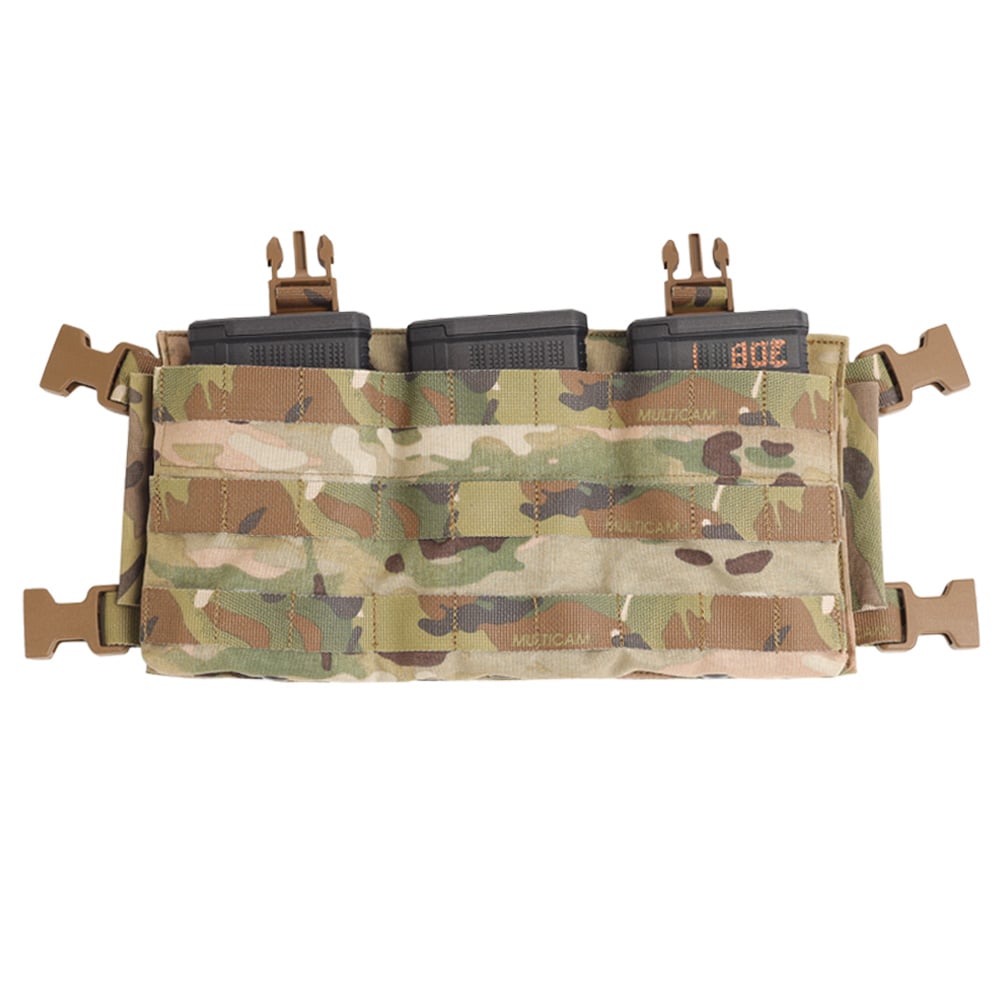
A chest rig is an ammunition and gear carriage system that mounts on the chest via shoulder straps and an adjustable harness, with no ballistic protection. The rig holds magazines, admin gear, medical kit, and accessories in a compact footprint that sits high on the chest, leaving the waist clear and not interfering with a hip belt or holster.
Chest rigs are lighter than plate carriers (no plates) and lower-profile (no armored chest plate). They handle different use cases:
- Training: live-fire range training, force-on-force, square-range drills where ballistic threats are not present.
- Hunting: hunters who carry rifles in remote backcountry use chest rigs for spare mags and gear without the weight of armor.
- Civilian rifle response without armor: some civilians prefer the lighter, faster-deploying chest rig over a plate carrier when they evaluate their threat profile honestly and decide armor is not warranted.
- Layered over a plate carrier: discussed below.
For chest rig buyers who want a complete configured system, the SRV Split Chest Rig Bundle ships ready-to-run with two SRV panels, a Laser Harness, a Back Strap, an SRV Zip Insert Pouch, two BKQT Pouches, two GP Double Mag Zipper pouches, and two 5.56 triple elastic inserts. Total carrier capacity 10 to 14 rifle magazines depending on configuration. The split-front design also makes the rig easier to don and doff than a continuous-panel chest rig, particularly when layering over other gear.
When to Run Both Layered Together
One of the most common advanced use cases is running a chest rig over a plate carrier. The plate carrier handles ballistic protection. The chest rig adds modular ammunition and gear capacity on top. The combination gives you full ballistic protection plus the higher-capacity loadout that chest rigs are good at.
Three groups commonly run this combination:
- Special operations and tier-one units: armored chest plate plus a full chest rig of mags, IFAK, comms gear. Standard SOCOM loadout pattern.
- Plain-clothes tactical and federal law enforcement: low-profile carrier under clothing, with a chest rig added when transitioning to active operational mode.
- Trainers running long classes: the chest rig is faster to don and doff between drills, and layering allows configuration changes without removing the underlying armor.
The SRV Split Chest Rig is purpose-built for the layered use case. Most chest rigs are continuous front panels that have to be pulled over your head and seated correctly over whatever you are wearing underneath. The SRV’s split-front design connects at the centerline after the rig is on your body, so you can put on the plate carrier first, then connect the SRV halves around it without fighting the rig over your head and the carrier together. This is the SRV’s hidden advantage that does not show up in a product photo.
Comparison: Plate Carrier vs Chest Rig at a Glance
- Ballistic protection: Plate carrier yes (with plates), chest rig no.
- Weight: Plate carrier 8-15 lb fully loaded, chest rig 3-6 lb fully loaded.
- Capacity: Plate carrier 4-6 mags + accessories typical, chest rig 8-14 mags possible.
- Don/doff speed: Plate carrier slower (heavier, plates can shift), chest rig faster (lighter, no armor to seat).
- Profile: Plate carrier bulkier, chest rig lower-profile.
- Cost: Plate carrier $300+ for system + $200-$700 for plates, chest rig $200-$400 for complete system.
- Climate tolerance: Chest rig cooler in heat (less material, no armor against torso), plate carrier hotter.
Decision Framework
Walk through these questions in order:
- Do you need ballistic protection? If yes, you need a plate carrier (or both layered). If no, a chest rig is sufficient.
- How much capacity do you need? If you need 8+ rifle magazines, the chest rig is the natural carrier. Plate carriers can do this but get bulky fast.
- How fast do you need to deploy? Truck rig and home defense scenarios favor the plate carrier (the carrier is the answer to the rifle threat). Training and hunting favor the chest rig.
- Are you running both? If yes, the SRV split design is purpose-built for layering over a plate carrier.
Most civilians and most LEO buyers settle on a plate carrier as their primary system, with a chest rig added later for training. Most military and tier-one operators run both layered. The right answer depends on your specific use case, not on which system is “better” in the abstract.
Bottom Line
The decision is not “which is better” but “which fits your scenario.” Plate carriers protect against bullets. Chest rigs carry gear lightly without armor. Both have their place; many serious users own both.
Our two complete-system answers are the Leap Plate Carrier Starter Kit for the plate carrier path and the SRV Split Chest Rig Bundle for the chest rig path. Both ship as configured systems so the buying decision collapses into one purchase rather than eight SKUs.
For deeper detail, see our complete plate carriers guide and complete chest rigs guide.
FAQ
Depends on your threat profile. If you face credible armed threats and want ballistic protection, plate carrier first. If you mostly train, hunt, or want gear carriage without armor, chest rig first. Most civilians who own a defensive rifle eventually own both, but pick the one that matches your actual primary use case.
No. Chest rigs are nylon gear-carriage systems with no ballistic protection. If you want bullet protection, you need a plate carrier with hard plates and/or a soft armor system. The two product categories are sometimes confused because they look similar at a glance.
Yes, this is a common pattern in special operations and tactical use. The plate carrier handles ballistic protection underneath; the chest rig adds capacity on top. The SRV Split Chest Rig is purpose-built for this layered use case because the split-front design makes it easier to don and doff over the plate carrier.
A chest rig is significantly lighter and cooler than a plate carrier, so it is more comfortable for sustained wear. A plate carrier with plates is heavier and traps body heat against the chest. If your role requires all-day wear, the chest rig wins on comfort. If your role requires ballistic protection, comfort tradeoffs are part of the cost.
Initially yes, because a chest rig does not require armor plates. A complete chest rig system runs $200-$500. A complete plate carrier with plates runs $570 to $1,200+. Long-term, both systems can grow to similar costs as you add accessories.
A plate carrier with mag pouches is still a plate carrier (it holds plates and adds magazines). A chest rig is a dedicated ammunition and gear carriage system without armor. The plate carrier configuration mimics a chest rig in terms of mag layout but adds the ballistic plate platform underneath.
Mostly yes. Both systems use standard MOLLE webbing or laser-cut MOLLE platforms for mounting pouches. Mag pouches, admin pouches, IFAKs, and dump pouches all transfer between platforms. The carrier itself does not transfer; you do not pull plates out of a carrier and put them in a chest rig.
If you want body armor for home defense or duty work, Leap Plate Carrier Starter Kit. If you want a chest rig for training, hunting, or backcountry rifle carriage, SRV Split Chest Rig Bundle. If you are not sure which you need yet, the Leap kit is the more versatile starting point because it accommodates eventual chest rig layering on top.
Ops-Core FAST SF Gen II Guide: Sizing, Weight, Protection and Setup
Ops-Core makes the FAST helmet, the high cut design most of the market has copied since. Ops-Core is part of Gentex Corporation, and its helmets are…
Ops-Core FAST SF Gen II vs PGD ARCH GEN3: Which High Cut Helmet to Buy
We carry two high cut ballistic helmets: the Ops-Core FAST SF Gen II and the PGD ARCH GEN3. Both are rated NIJ Level IIIA, both have…
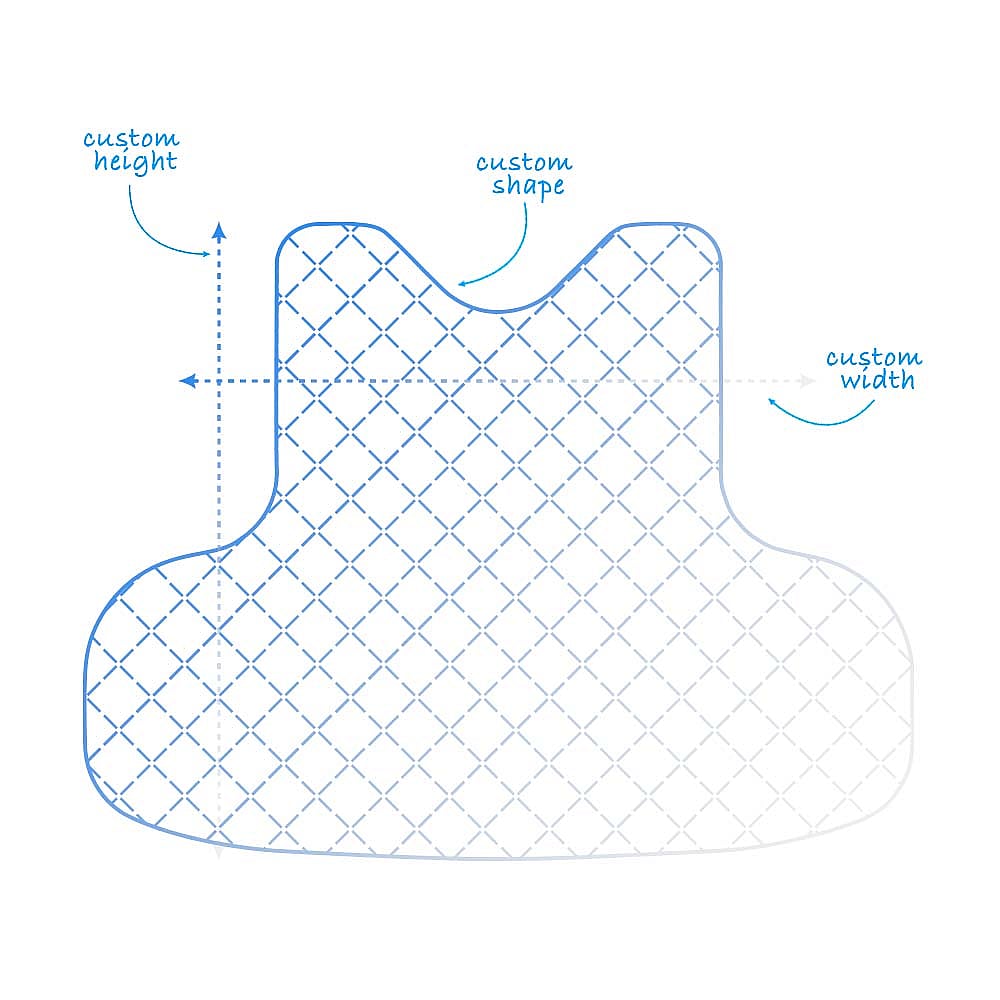
Custom Soft Armor: How to Get Inserts That Actually Fit Your Carrier
Most soft armor doesn't fit the carrier you actually own. Here's how our Custom Soft Armor program solves the fit problem and when to choose custom…