



Body Armor for Civilians: Do You Actually Need It?
Most civilians do not need body armor. Here is when it actually makes sense, when it does not, and how to think about your own threat profile honestly before buying.
The honest answer most body armor sites will not give you: most civilians do not need body armor. The threat profile that justifies owning a plate carrier or soft armor vest is narrower than internet culture suggests, and the gear sits in a closet for most buyers who purchase it on impulse. We have been selling body armor for over a decade. We sell to a lot of people. We also tell a lot of people they probably do not need what they are about to buy.
If you are wondering whether body armor for civilians is right for you, this guide walks through the actual use cases that justify the purchase, the use cases that do not, and how to think about your own threat profile honestly. Then it covers what to buy if the answer is yes.
When Civilians Actually Need Body Armor
The use cases where civilian body armor genuinely earns its place:
Documented Specific Threat
You have a specific person or group threatening you, the threats include weapons or violence, and you have reasonable basis to expect those threats might escalate. Stalkers, domestic violence histories with documented threats, ex-partners with weapons access, criminal retaliation cases. In these scenarios, body armor is part of a broader protection plan that should also include law enforcement involvement, legal protective orders, and potentially professional security consultation.
Profession That Attracts Risk
Some professions attract violent threats as a baseline. Bail bondsmen, repossession agents, process servers, late-night cash-handling roles, security personnel in dangerous neighborhoods, journalists covering hostile beats. If your job exposes you to predictable violence risk, body armor is reasonable kit.
Home Defense Rifle Response
If you keep a rifle for home defense and you have realistically thought through the scenarios where you would deploy it, having armor available next to that rifle makes sense. Real home invasion is rare, but rare is not zero, and the cost of a plate carrier and Level 4 plates is small compared to the cost of getting it wrong.
This is the most common civilian use case we see: the truck rig or home rig that lives ready to deploy in a home invasion or active threat scenario, but spends 99.9% of its life unused. Buyers in this category should think realistically about whether they would actually deploy it (most would not, in most scenarios) but the cost-benefit math still works for many people.
Civil Unrest and Disaster Preparedness
Buyers preparing for natural disasters, civil unrest, or extended grid-down scenarios sometimes include body armor in their preparation. The threat profile here is speculative, but for buyers in disaster-prone regions or with specific preparedness frameworks, the gear has a defensible place in the kit.
Travel to Specific High-Risk Environments
Civilians who travel to specific high-risk regions for work or humanitarian purposes (NGO workers in conflict zones, journalists, missionaries in unstable countries, contractors) sometimes need body armor for the duration of the trip. This is a niche use case but a legitimate one.
When Civilians Probably Do Not Need Body Armor
The honest list:
- You saw a movie or a video and it looked cool. This is the biggest reason civilian body armor sits in closets.
- You read a forum thread that scared you. Online firearm and prepper communities create threat perception out of proportion to actual risk for most users.
- You think it might be useful “just in case” with no specific scenario in mind. The “just in case” framing is the same logic that drives most impulse purchases. If you cannot articulate the scenario, you probably will not deploy the armor in that scenario either.
- You want it for daily concealed civilian carry without a specific threat. Most ordinary civilians without documented threats face statistically very low risk of facing an armed attack in daily life. The cost-benefit of daily concealed armor wear for the average civilian is poor.
- You are a casual recreational shooter. Range training does not require body armor. Most ranges actively prohibit it.
None of this is a moral judgment. Buy what you want with your money. But if you are actually trying to figure out whether body armor is the right purchase for your situation, an honest assessment usually points away from a buy for most ordinary civilians.
If You Decide to Buy: What Civilians Should Pick
If your threat profile and budget justify the purchase, here is how we think about civilian body armor selection.
Concealed Soft Armor for Daily Wear
If you have a documented threat that makes daily armor wear reasonable, concealed soft body armor is the right format. NIJ Level 3A (IIIA) protection against handgun threats, slim profile that fits under civilian clothing. The Cloak Ultra Low Vis Carrier with MASS Concealed IIIA panels is our recommended civilian daily-wear setup. See our concealed body armor guide for the full breakdown.
Plate Carrier with Hard Plates for Home Defense
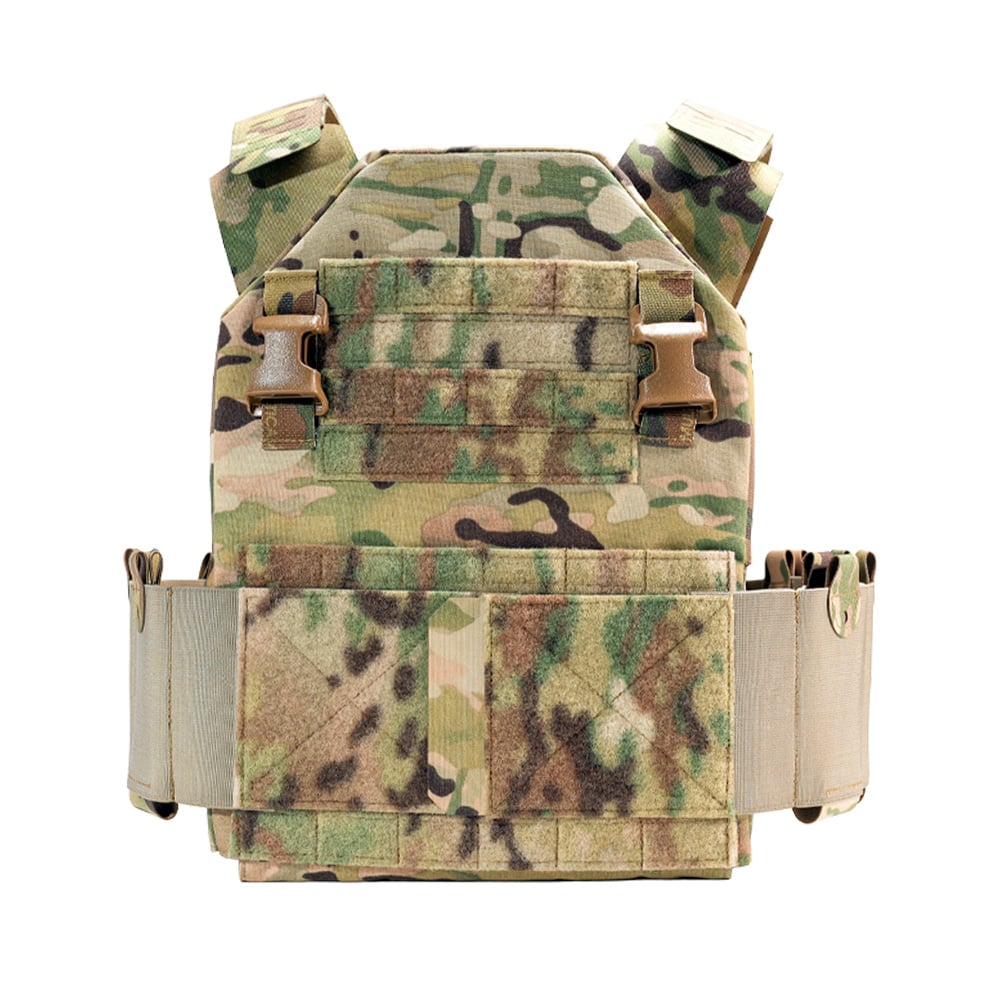
If you want armor for a home defense rifle response scenario, a plate carrier with Level 4 hard plates is the right format. Hard plates protect against rifle threats; soft armor does not. The Sentry Laser Cut Plate Carrier or Lancer Laser Plate Carrier are our recommended home-defense civilian carriers. Add Level 4 hard plates from LTC or Hesco. The plate carrier sits ready next to your home defense rifle, not worn daily.
Training Carrier for Range Use
If you want a carrier specifically for training (no live armor, used to practice with the gear and get used to wearing it), the ForceFit Training Carrier is the right format. Same external dimensions as a real plate carrier but designed around training rather than live use, and significantly less expensive than a fully kitted live carrier.
Threat Level Selection for Civilians
Match the armor threat level to the threat you actually face, not the worst-case scenario you can imagine.
- Level 3A (IIIA) soft armor: stops common handgun threats including 9mm, .357, .44 Magnum. Right for most civilian daily-wear scenarios where the threat is handgun-armed.
- Level 3 (III) hard plates: stops 7.62×39 (AK) and 5.56 (M193) rifle threats. Right for home defense scenarios where rifle threats are credible but premium plates are out of budget.
- Level 4 (IV) hard plates: stops the .30-06 M2 AP armor-piercing round and almost everything below it. Right for buyers who want maximum protection and accept the weight and cost.
Civilians who buy Level 4 because “it stops everything” without thinking through the actual threat profile usually end up with armor that is too heavy to wear or deploy comfortably. Match the level to the realistic threat.
Civilian Body Armor Is Not a Substitute
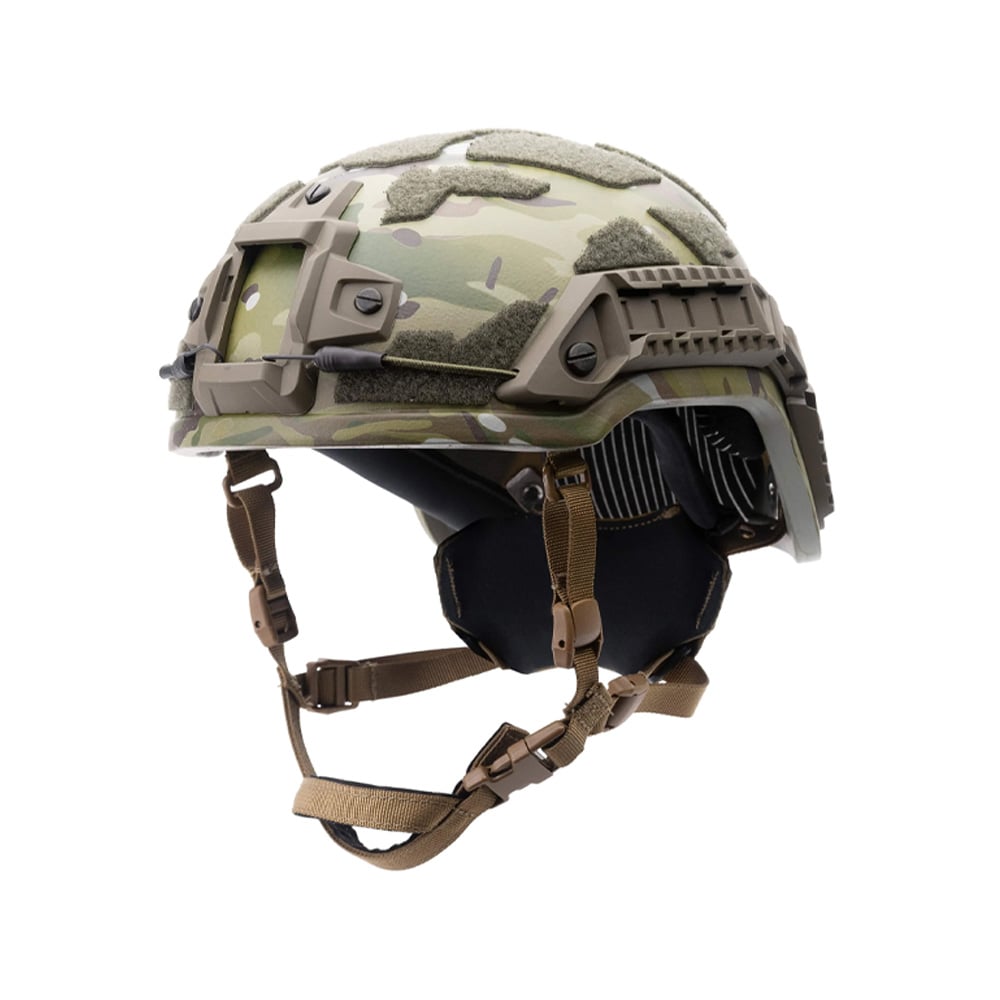
Body armor reduces the lethality of being shot. It does not prevent being shot. It does not prevent being stabbed (most soft armor is not rated for stab threats). It does not protect your head, neck, groin, or extremities. It does not help in a vehicle accident, fire, or natural disaster.
If your safety concerns are general rather than specific, the things that make ordinary civilians safer are: situational awareness training, defensive driving, basic medical training (a tourniquet on your person is more useful than a plate carrier in a closet), home security improvements (locks, lighting, cameras), and avoiding bad locations and bad behavior. Body armor is far down that list for most ordinary civilians.
Bottom Line
If you have a specific threat, a high-risk profession, or a serious home defense plan, body armor for civilians is reasonable kit. For most ordinary civilians without those factors, the money is better spent on situational awareness training, basic medical kit, and home security. Be honest with yourself before buying.
If your assessment points to yes, see our guide on body armor levels for threat-level selection and our concealed body armor guide for daily-wear scenarios.
FAQ
Most ordinary civilians without specific threat profiles do not need body armor. If you have a documented threat, a high-risk profession, or want a home defense rifle setup, the answer changes. Honest threat assessment matters more than enthusiasm.
Concealed soft armor at NIJ Level 3A (IIIA) is the standard answer. The Cloak Ultra Low Vis Carrier with MASS Concealed IIIA panels is what we recommend for civilian daily-wear scenarios. See our concealed body armor guide for sizing and fit guidance.
In most US states, yes. Federal law restricts civilian body armor ownership only for people with prior violent felony convictions. Connecticut and New York have additional state-level restrictions. See our body armor legality guide for state-by-state details.
Depends on your threat profile. For civilians with documented threats or specific high-risk professions, yes. For civilians buying “just in case” without a clear scenario, usually not. The cost is meaningful (a complete kit runs $400 to $1,500+) and most casually-purchased armor sits in a closet unused.
No federal license is required. Most states do not require a license. New York’s 2022 law restricts body armor purchase to specific professions, which functionally means you must demonstrate eligibility before purchase in NY.
Match to threat. Level 3A (IIIA) soft armor stops handgun threats and is right for most civilian daily-wear scenarios. Level 3 hard plates stop common rifle threats. Level 4 hard plates stop the .30-06 M2 AP and almost everything below it. Most civilians do not need Level 4.
Soft armor: 5 years from manufacture date typically, sooner with heavy daily wear or UV exposure. Hard plates: 5 to 10 years for ceramic and composite plates, longer for steel (though we do not recommend steel for personal armor). Inspect annually.
Cool, dry, dark place. Avoid sunlight, vehicle dashboards, and high-humidity areas. UV and heat are the main enemies of soft armor longevity. A closet shelf or armor-specific storage rack works fine.
If they meet the federal eligibility requirements (no prior violent felony conviction) and live in a state where body armor is legal, yes. Body armor is not a registered or licensed item in most jurisdictions.
Custom Soft Armor: How to Get Inserts That Actually Fit Your Carrier
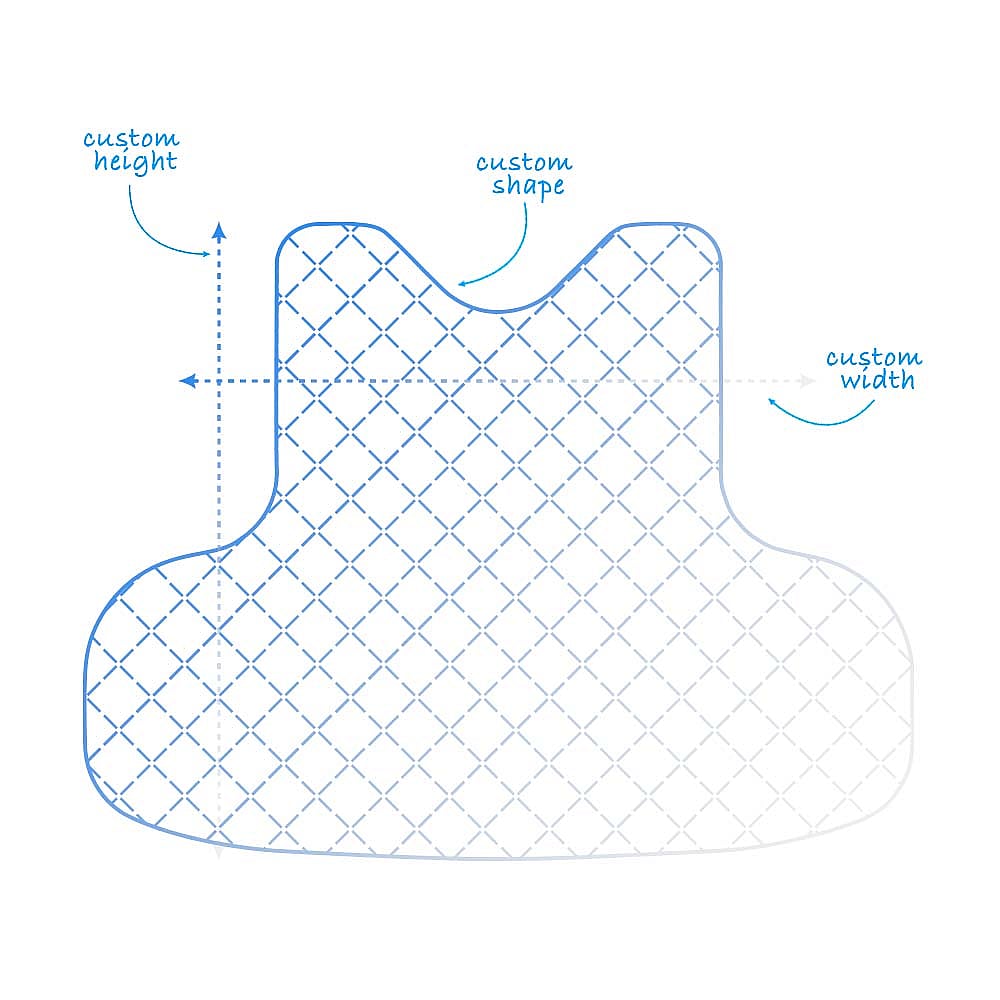
Most soft armor doesn't fit the carrier you actually own. Here's how our Custom Soft Armor program solves the fit problem and when to choose custom…
Layering a Chest Rig Over a Plate Carrier: When and How
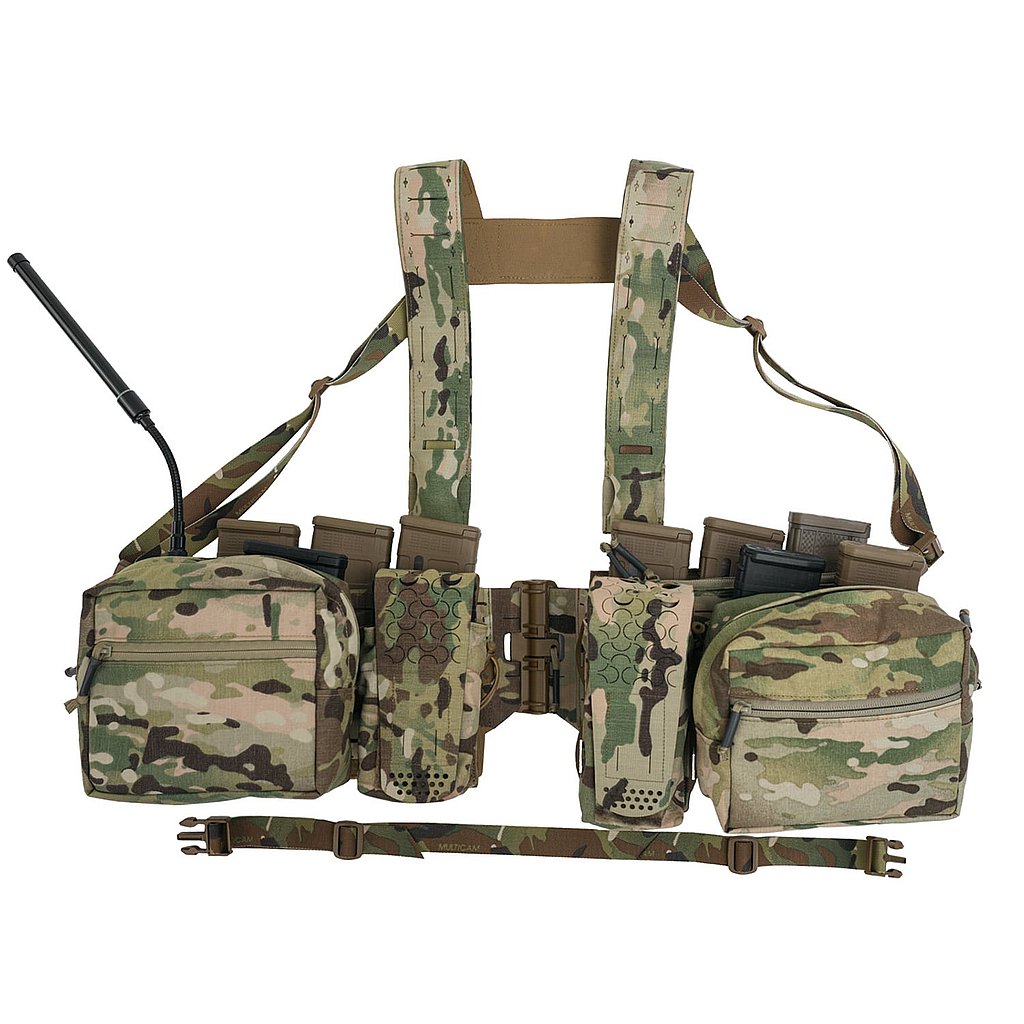
Layering a chest rig over a plate carrier gives you ballistic protection plus high-capacity gear carriage. The SRV Split Chest Rig is purpose-built for this layered…
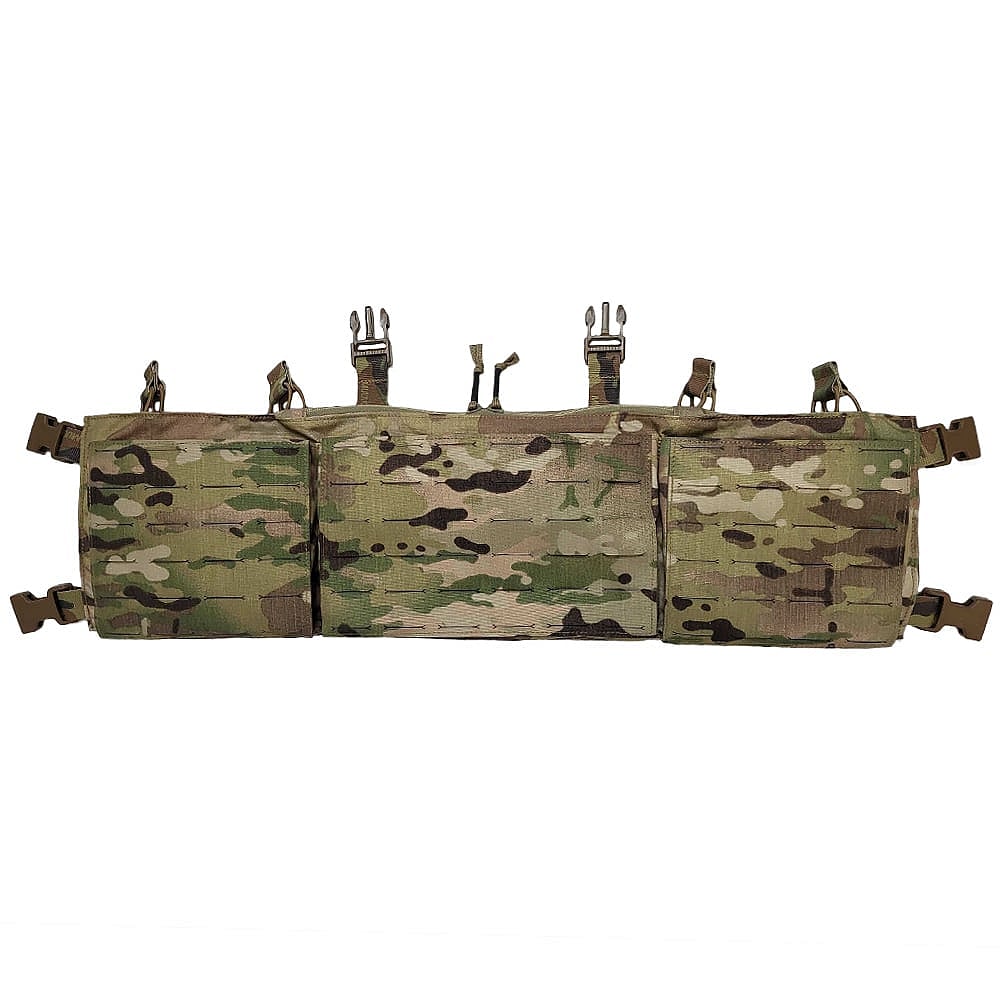
Best Chest Rig: How to Pick the Right Rig for Your Role
The best chest rig is the one that matches your role, mag count, and platform. Here is how to pick between continuous, modular, split, and minimalist…