



Concealed Body Armor: Low-Profile Carry Under Civilian Clothing
Concealed body armor disappears under civilian clothing. Here is who needs it, how it differs from tactical plate carriers, and the Cloak, Specter, and Cruiser carriers we make in Knoxville.
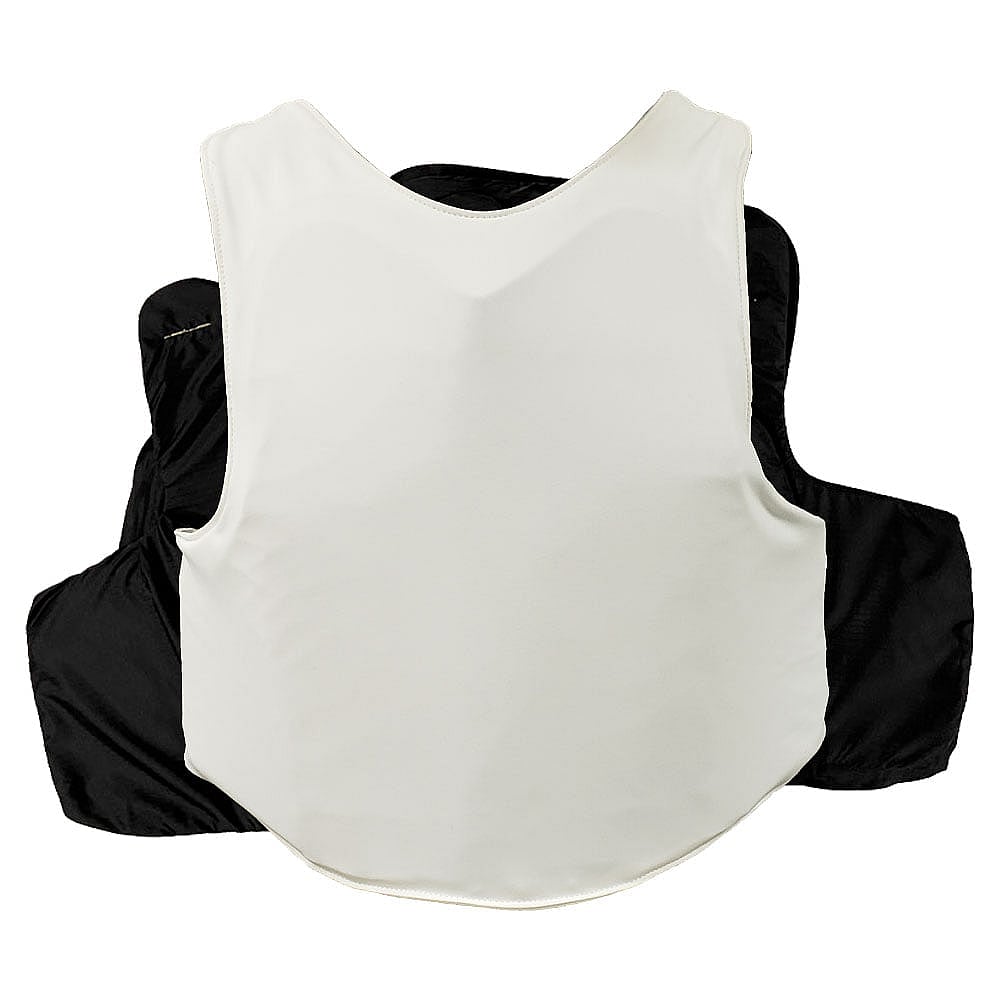
Concealed body armor is soft body armor designed to disappear under civilian clothing. Where a tactical plate carrier announces itself, a concealed carrier hides under a polo, a button-down shirt, or a light jacket and lets the wearer go about their day without telegraphing that they are protected. Executive protection professionals, plain-clothes detectives, journalists in hostile environments, and serious civilian buyers all use concealed body armor for the same reason: visibility is not always an asset.
This guide covers what concealed body armor actually is, who needs it, how it differs from tactical plate carriers, and the lineup we make in Knoxville.
What Is Concealed Body Armor?
Concealed body armor (also called concealable body armor, low profile body armor, or covert body armor) is a soft armor carrier system that wears close to the body, has a slim profile, and is designed to be invisible under everyday civilian clothing. The carrier holds soft armor inserts (typically NIJ Level 3A / IIIA) that protect against handgun threats and fragmentation. Some concealed carriers also accommodate slim hard plate inserts for rifle threats, though this is the exception rather than the rule.
The defining features of a concealed carrier are:
- Slim profile: minimal padding, no MOLLE webbing, no external pouches. The carrier looks like a vest or undershirt, not gear.
- Comfortable for extended wear: breathable fabric, smooth interior, edge bindings that do not chafe under daily-wear conditions.
- Compatible with normal clothing: shoulder cut allows shirts and jackets to fit over the carrier without bunching or telegraphing the armor outline.
- Low-vis colors: white, black, or skin-tone neutral that disappears under thin clothing rather than showing through.
Concealed Body Armor vs Tactical Plate Carrier
The two carrier categories solve different problems. Concealed body armor is designed around invisibility. Tactical plate carriers are designed around capability.
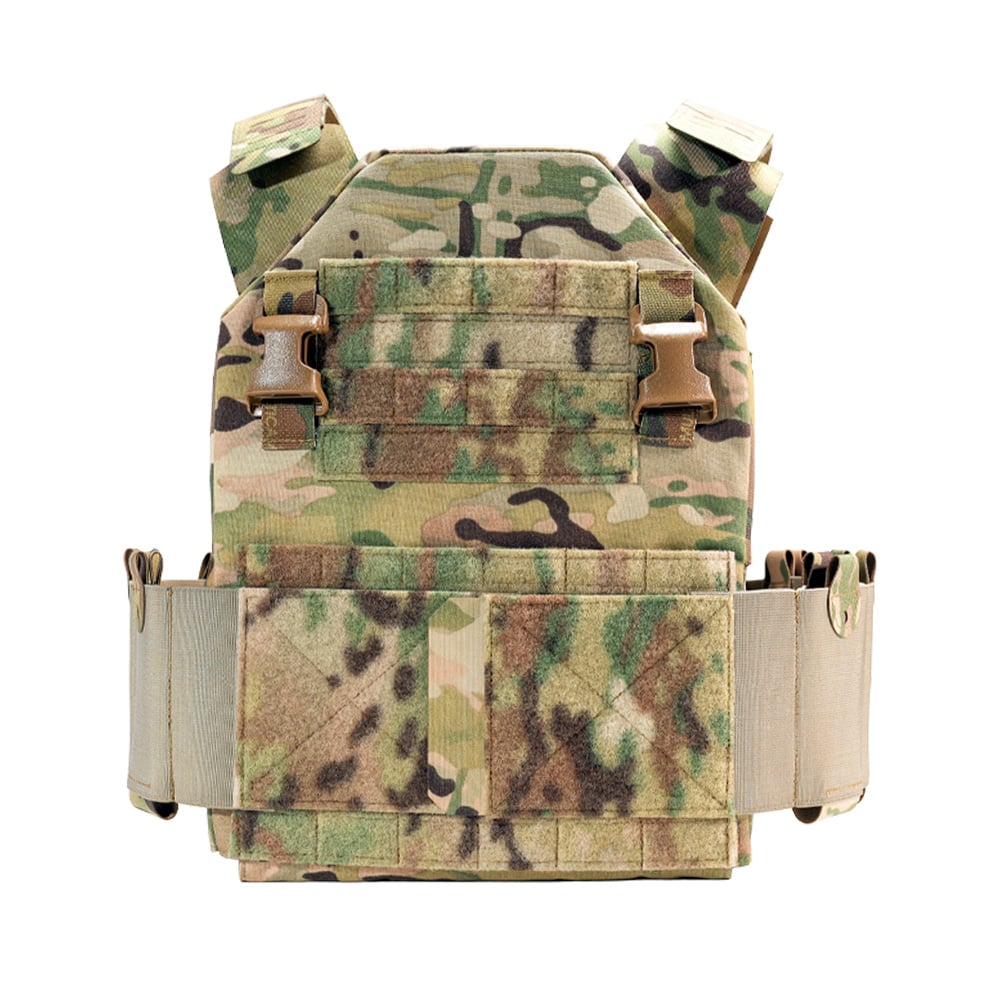
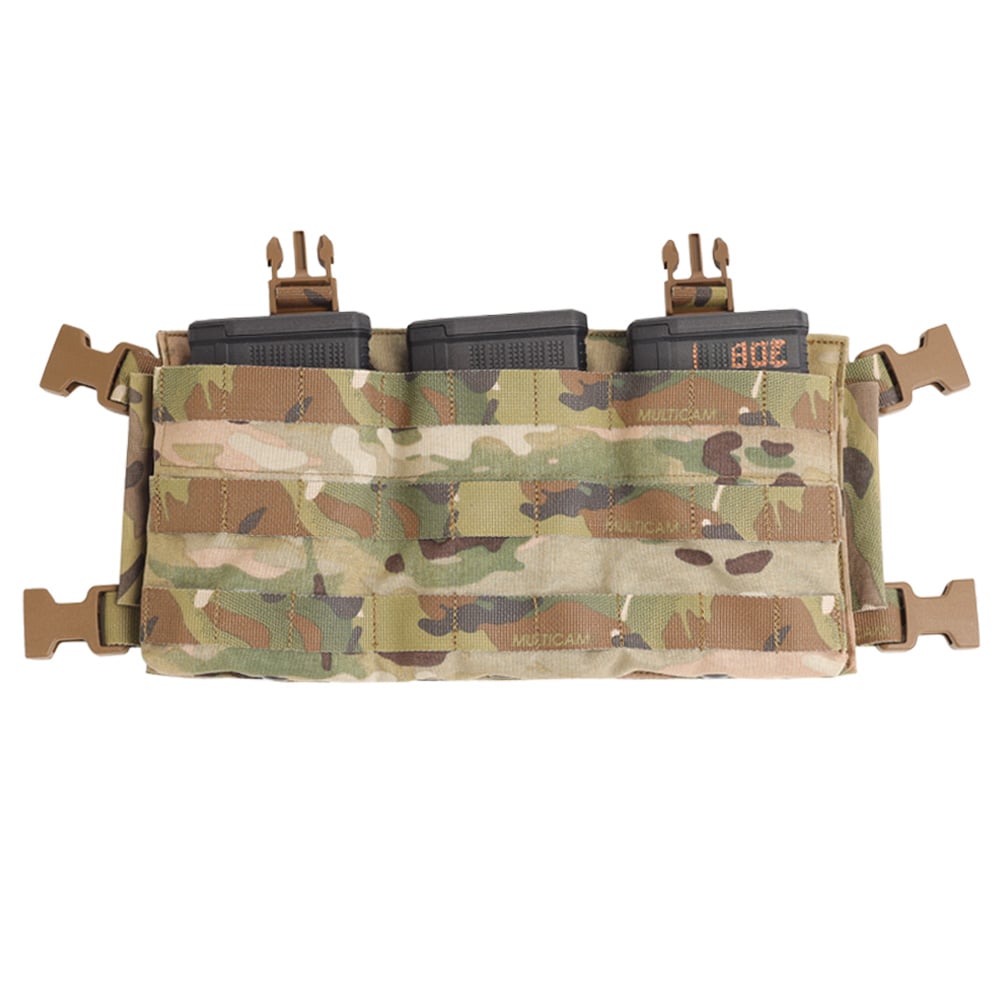
- Tactical plate carriers hold hard plates, MOLLE webbing for pouches, magazines, comms gear, IFAK. They are visible by design. Use cases: rifle response, patrol, training, military and LEO operational roles.
- Concealed body armor hides under civilian clothing. Soft armor only (with rare exceptions for slim hard plates). No external attachments. Use cases: executive protection, plain-clothes detective work, journalism in hostile environments, civilian everyday-wear protection.
Some buyers run both: a tactical carrier for known operational scenarios and a concealed carrier for the rest of the time. The two systems serve completely different mission profiles, and pretending one can do the other’s job leads to compromised outcomes for both.
Who Should Buy Concealed Body Armor
Executive Protection
EP professionals running protective details on principals (corporate executives, high-net-worth individuals, public figures) cannot wear visible body armor without compromising the principal’s profile. Concealed armor is standard kit for the EP role.
Plain-Clothes Law Enforcement
Detectives, narcotics units, fugitive task forces, and federal agents running plain-clothes operations need armor that does not blow their cover. Most plain-clothes LEO buy concealed body armor through department-issued programs or directly.
Journalists in Hostile Environments
Conflict journalists and field reporters in hostile environments often wear concealed soft armor as a baseline layer of protection that does not telegraph press affiliation or identify the wearer as a target.
Serious Civilian Buyers
Civilians who have a credible threat profile (specific threats, professions that attract risk, certain travel patterns) and want to wear armor as part of their daily routine. Concealed armor is what makes daily wear feasible. Tactical plate carriers in a daily civilian context attract the wrong attention.
Threat Levels for Concealed Body Armor
Most concealed body armor is rated to NIJ Level 3A (IIIA), which stops common handgun threats including 9mm, .357 Magnum, and .44 Magnum. This is appropriate for the threat profile most concealed-armor wearers face: handgun-armed assailants, not rifle-armed combatants.
Some concealed carriers accommodate slim hard plates for rifle protection, but the carrier becomes thicker and harder to conceal once hard plates are added. For most concealed-wear scenarios, Level 3A soft armor is the right tradeoff between protection and concealability.
Our Concealed Carrier Lineup
Cloak Ultra Low Vis Carrier
The Cloak Ultra Low Vis Carrier is our most concealable carrier. Designed for the lowest possible profile under thin civilian clothing, the Cloak holds soft armor inserts only and is built around all-day comfort. The shoulder cut allows shirts and jackets to drape naturally without telegraphing the armor outline.
Pick the Cloak if you wear armor under polo shirts, light button-downs, or thin jackets and need maximum invisibility.
Specter Concealable II
The Specter Concealable II is rated for NIJ Level II soft armor inserts. Slightly thicker than Level IIIA panels but still concealable under most civilian clothing. The Level II rating stops most common handgun threats; Level IIIA adds .44 Magnum and .357 SIG protection at the cost of slight additional thickness.
Pick the Specter Concealable II for buyers who want a thinner profile and accept the Level II protection envelope.
Specter Stinger II Concealable Carrier
The Specter Stinger II Concealable Carrier ships with the Stinger II soft armor system pre-fitted. This is a complete concealed armor package: carrier plus armor inserts plus retention components, sized to wear under civilian clothing.
Pick the Stinger II package for buyers who want the complete kit without sourcing armor inserts separately.
Cruiser Concealed Carrier
The Cruiser Concealed Carrier is sized for buyers who need slightly more capacity than the Cloak: more coverage area, room for thicker IIIA inserts, and a more substantial cut that handles slightly less form-fitting clothing styles.
Pick the Cruiser when the Cloak is not quite enough coverage for your threat profile.
Soft Armor Inserts for Concealed Carriers
Two ways to load soft armor into one of our concealed carriers:
- MASS Concealed IIIA Soft Armor Panels: our in-house Berry Compliant DuPont Kevlar IIIA panels, sized for the Cloak and Cruiser concealed carrier geometries. The MASS Concealed IIIA panels are made in Knoxville and tested at the same independent labs the NIJ uses for formal certification.
- MASS Hilo IIIA Ballistic Insert Set: an alternate panel format that fits some Hilo-line carriers and concealed cuts. The MASS Hilo IIIA Insert Set is the right choice for buyers running our Hilo concealed cut.
For buyers who specifically need third-party-certified panels (departmental requirements, grant funding, insurance stipulations), we resell certified Stinger, Combat, and Clipper lines from Onyx and Slate. The ballistic performance is comparable to our in-house panels; what you pay for is the third-party certification paperwork.
Sizing and Fit Matters More Than Brand
Concealed body armor lives or dies on fit. A correctly sized concealed carrier disappears under clothing. An oversized carrier prints (shows through clothing as a visible outline) and defeats the entire concealability premise.
Three sizing dimensions matter:
- Chest circumference: the carrier needs to fit snugly without compressing breathing. Too tight is uncomfortable for all-day wear; too loose lets the armor shift and print under clothing.
- Torso length: the bottom of the panel should sit at or just above the navel. Too long binds when sitting; too short leaves too much abdominal area unprotected.
- Shoulder cut: the shoulder strap geometry has to work with your normal shirt/jacket cuts. Mismatched shoulder geometry causes armor to print at the collar or under the armpits.
If you are not sure which size you are or whether your civilian clothing will work with one of our cuts, call us before ordering. Sizing guidance over the phone is faster than returns and exchanges.
Bottom Line
For most buyers, the right starting concealed setup is the Cloak Ultra Low Vis Carrier with MASS Concealed IIIA panels. For buyers who want a complete pre-built package, the Specter Stinger II Concealable Carrier ships with armor inserts already configured. For buyers who need slightly more coverage than the Cloak, the Cruiser Concealed Carrier.
For threat-level selection and the broader body armor decision framework, see our complete body armor guide.
FAQ
The terms are used interchangeably. “Concealable” emphasizes the design intent (built to be hideable). “Concealed” describes how the armor is worn (under clothing). Both refer to the same product category.
Most concealed Level 3A (IIIA) panels are roughly 0.25 to 0.4 inches thick. Lightweight UHMWPE panels (like our MASS Air line) are at the thinner end of that range. Aramid Kevlar panels are at the thicker end. Either disappears under most civilian clothing styles.
Yes. Concealed armor is designed for all-day wear. Comfort depends on correct sizing, breathable fabric construction, and the climate you wear it in (heat is the biggest comfort challenge). Most professionals who wear concealed armor daily get used to it within a few weeks.
Some concealed carriers accommodate slim hard plates, but the carrier becomes harder to conceal once plates are added. For most concealed-wear scenarios, Level 3A soft armor is the right tradeoff. If you need rifle protection, look at standard plate carriers instead.
Most soft armor manufacturers warrant Level 3A panels for 5 years from manufacture date. Heat, sweat, and UV exposure all degrade aramid fibers. Daily-wear panels may need replacement at the 3-5 year mark depending on conditions. Inspect annually for delamination or damage.
A moisture-wicking athletic undershirt is the standard answer. Cotton holds sweat and gets uncomfortable quickly. Wear the undershirt next to skin, then the armor carrier, then your civilian clothing on top. Many EP professionals wear two undershirts: one wicking layer next to skin and a second cotton layer between the armor and outer clothing for additional comfort.
This is called “printing” and it is the main failure mode of poorly-fitted concealed armor. Avoid printing by ordering the right size, choosing the right cut for your clothing style, and wearing slightly looser outer layers than you would without the armor. Tighter polo shirts, fitted dress shirts, and athletic-cut clothing are the highest-risk for printing.
Yes, in most US states. Federal law restricts body armor purchase by violent felons but otherwise allows civilian ownership. Connecticut requires in-person purchase. New York restricts to specific professions. See our complete body armor legality guide for state-by-state details.
Soft armor inserts are sized to specific carrier geometries (Concealed, MBAV, BALCS, Spike, Hilo) and not always interchangeable. Order inserts that match the specific carrier you are buying. The MASS Concealed IIIA panels fit our Cloak and concealed cut carriers; the MASS Hilo IIIA inserts fit our Hilo concealed cut.
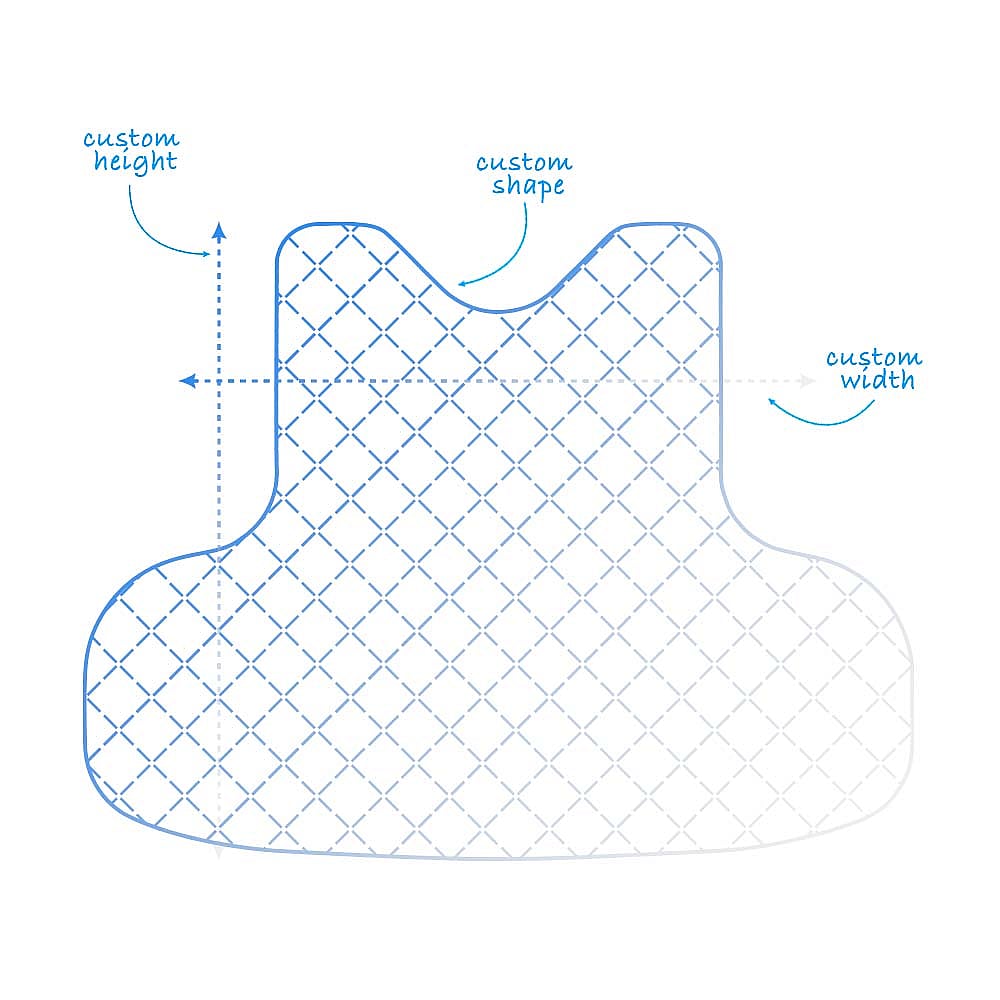
Custom Soft Armor: How to Get Inserts That Actually Fit Your Carrier
Most soft armor doesn't fit the carrier you actually own. Here's how our Custom Soft Armor program solves the fit problem and when to choose custom…
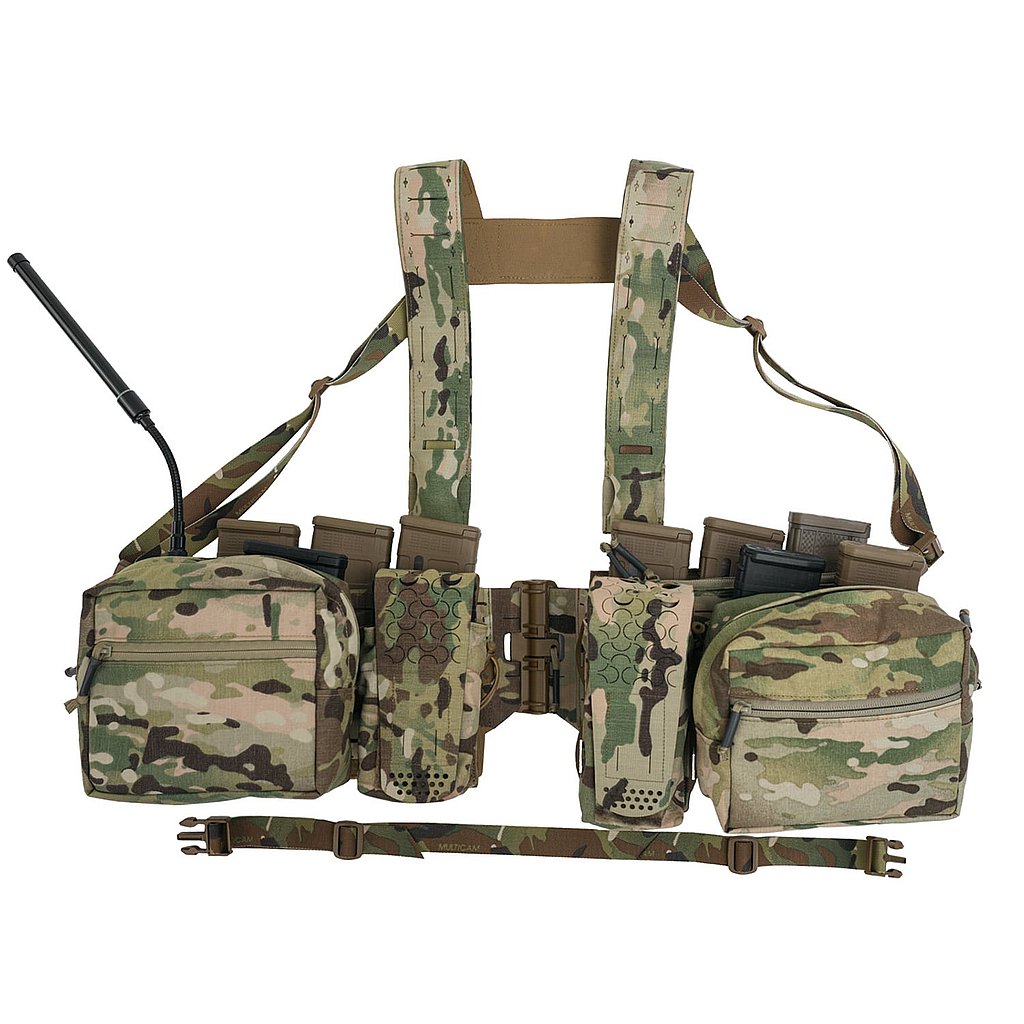
Layering a Chest Rig Over a Plate Carrier: When and How
Layering a chest rig over a plate carrier gives you ballistic protection plus high-capacity gear carriage. The SRV Split Chest Rig is purpose-built for this layered…
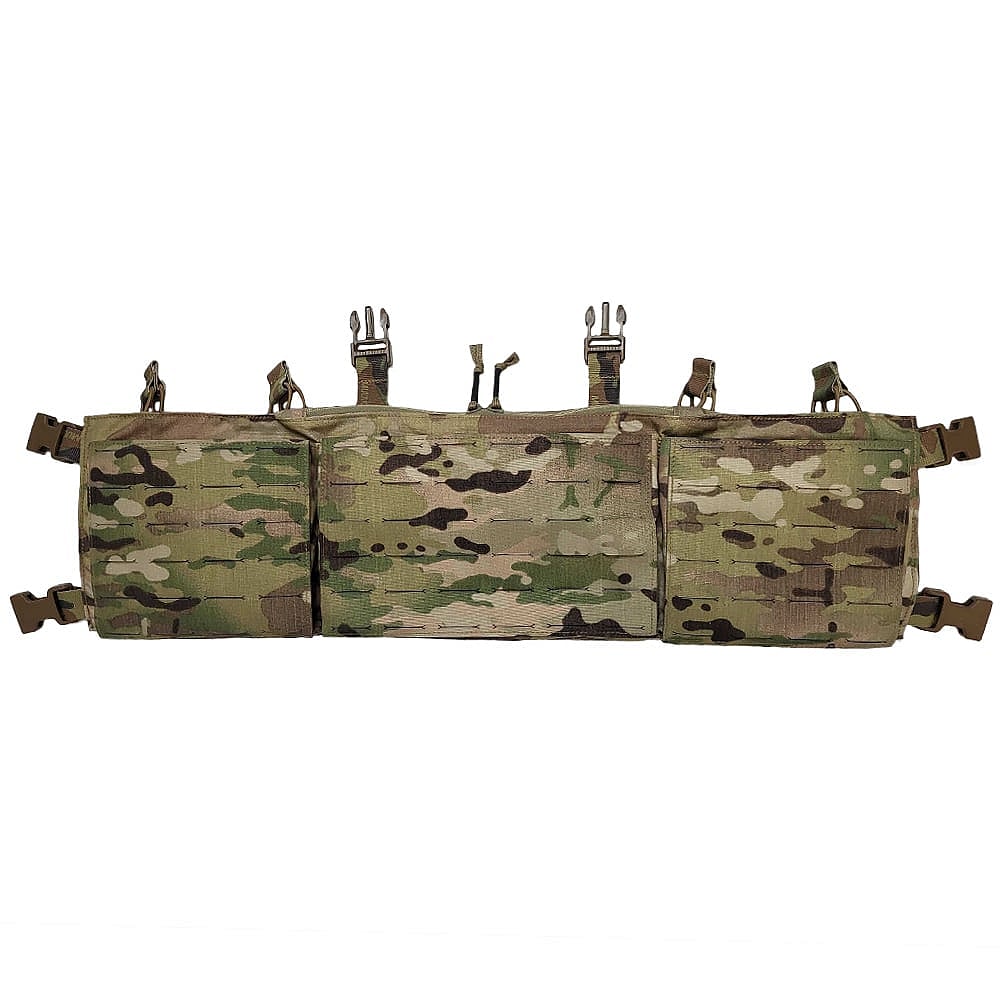
Best Chest Rig: How to Pick the Right Rig for Your Role
The best chest rig is the one that matches your role, mag count, and platform. Here is how to pick between continuous, modular, split, and minimalist…