



Are Bulletproof Vests Legal? Body Armor Laws by State
In most US states, body armor is legal for civilians without violent felony convictions. Here's the federal rule, the state-by-state exceptions, and what you can and cannot buy.

The short answer is yes. In most US states, civilians can legally buy and wear bulletproof vests, plate carriers, soft body armor, and ballistic helmets. The federal government does not prohibit civilian body armor ownership. There are state-level exceptions and one federal restriction that matters, and this guide walks through them in detail so you know exactly what is legal where you live.
Disclaimer up front: this is not legal advice. Laws change. Always verify current law for your state before purchasing, and consult a lawyer if your situation is unusual.
The Federal Rule
Under federal law (18 USC 931), one category of person is prohibited from owning body armor: anyone with a prior conviction for a felony “crime of violence” as defined under federal statute. There is a narrow exception for body armor used in lawful business activity if the felon obtained written certification from their employer.
Federal law does not otherwise restrict body armor ownership. Civilians, law enforcement, security professionals, and members of the public with no prior violent felony conviction are legally allowed to purchase and wear body armor in any state, with state-level exceptions discussed below.
Federal law also adds penalty enhancements for any person who commits a federal crime of violence or a federal drug trafficking crime while wearing body armor. The body armor itself is not the crime; the underlying violent crime is, and the body armor adds to the sentence.
State Laws by Category
Most states track the federal rule: legal for civilians, prohibited for violent felons. A handful of states add their own restrictions on top. The categories that matter:
Connecticut: Online Sales Restriction
Connecticut requires body armor sales to be conducted in person. Online or mail-order sales of body armor to Connecticut residents are prohibited. Connecticut buyers must purchase from a physical retail location. We do not ship body armor or carriers with armor inserts to Connecticut.
New York: Sale Restrictions
New York added body armor sale restrictions in 2022 (S9407B). The law restricts who can purchase body armor to specific professions: law enforcement, security professionals, military members, and a list of designated occupations. Civilians not in those categories cannot purchase body armor in New York. Verify current law before any New York purchase.
Other States with Specific Provisions
Several other states have specific body armor provisions that buyers should be aware of. These rules change, so always verify current law.
- Louisiana: Restricts body armor on school property.
- Kentucky: Restricts body armor on school property.
- Massachusetts: Has additional purchase requirements; verify before buying.
- New Jersey: Has additional reporting requirements for body armor sales.
The “school property” restrictions are common across many states and are a good reminder for civilian buyers: even where body armor ownership is legal, wearing it in certain places (schools, federal buildings, courthouses) can create separate legal issues.
Are Plate Carriers Legal?
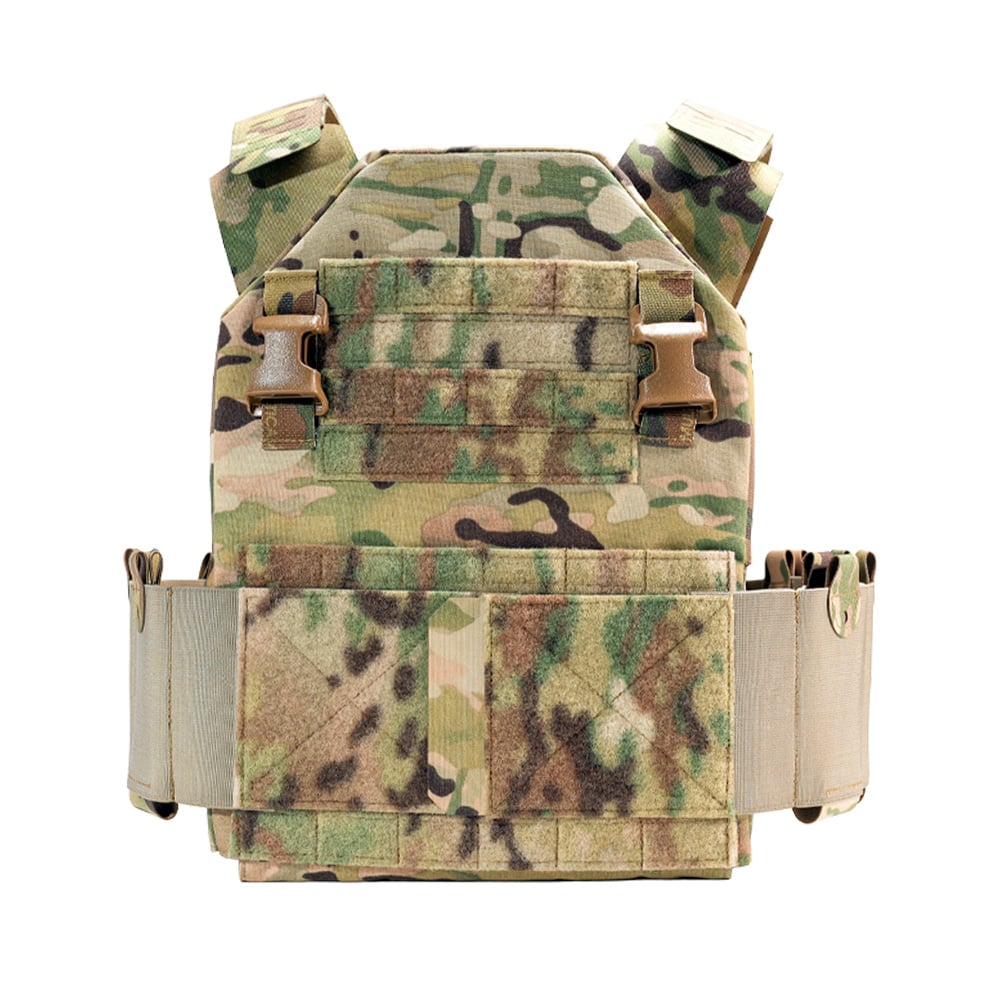
Yes. A plate carrier is a fabric vest with no ballistic protection of its own. Plate carriers are legal everywhere in the US, including states with body armor restrictions. The plate carrier becomes “body armor” only when armor plates or soft armor inserts are added.
This distinction matters in two ways:
- You can buy a plate carrier in every state. Even Connecticut and New York. The carrier itself is just nylon and webbing.
- Adding armor changes the legal status. Once you put plates or soft armor inserts in the carrier, the assembled product is body armor and falls under your state’s body armor laws.
For new buyers in restricted states, this means you can purchase a carrier and accessories from us legally; the armor inserts may need to be sourced separately under your state’s specific rules.
Are Ballistic Helmets Legal?
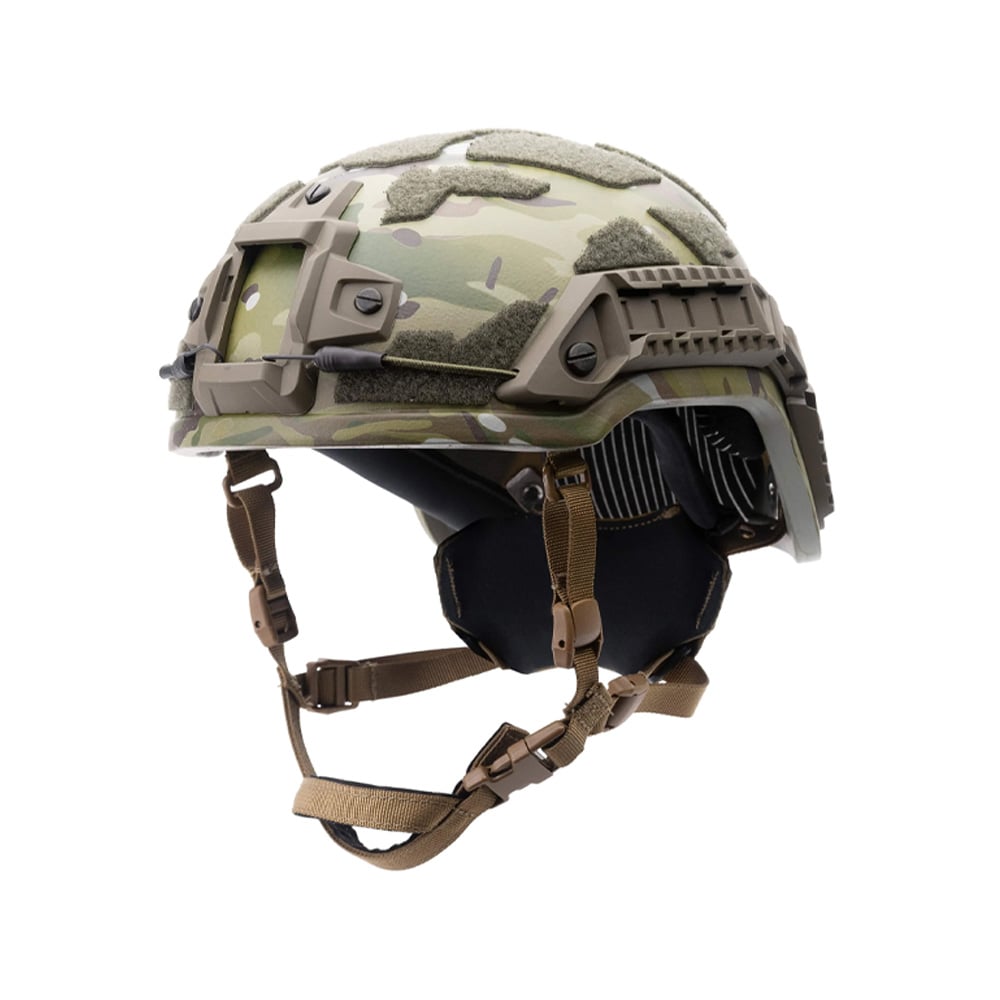
In most states, yes. Ballistic helmets fall under the same body armor laws as plate carriers and vests. The federal violent-felon prohibition applies. State-level exceptions like Connecticut’s in-person-sale rule and New York’s professional restrictions also apply to ballistic helmets.
Bump helmets (non-ballistic, polymer impact protection) are universally legal because they are not body armor. They are sports/training equipment.
What About International Shipping?
Body armor exports are controlled under the International Traffic in Arms Regulations (ITAR) and the Export Administration Regulations (EAR). We do not ship body armor or ballistic helmets internationally. Soft armor, hard plates, and ballistic helmets all fall under export-controlled categories.
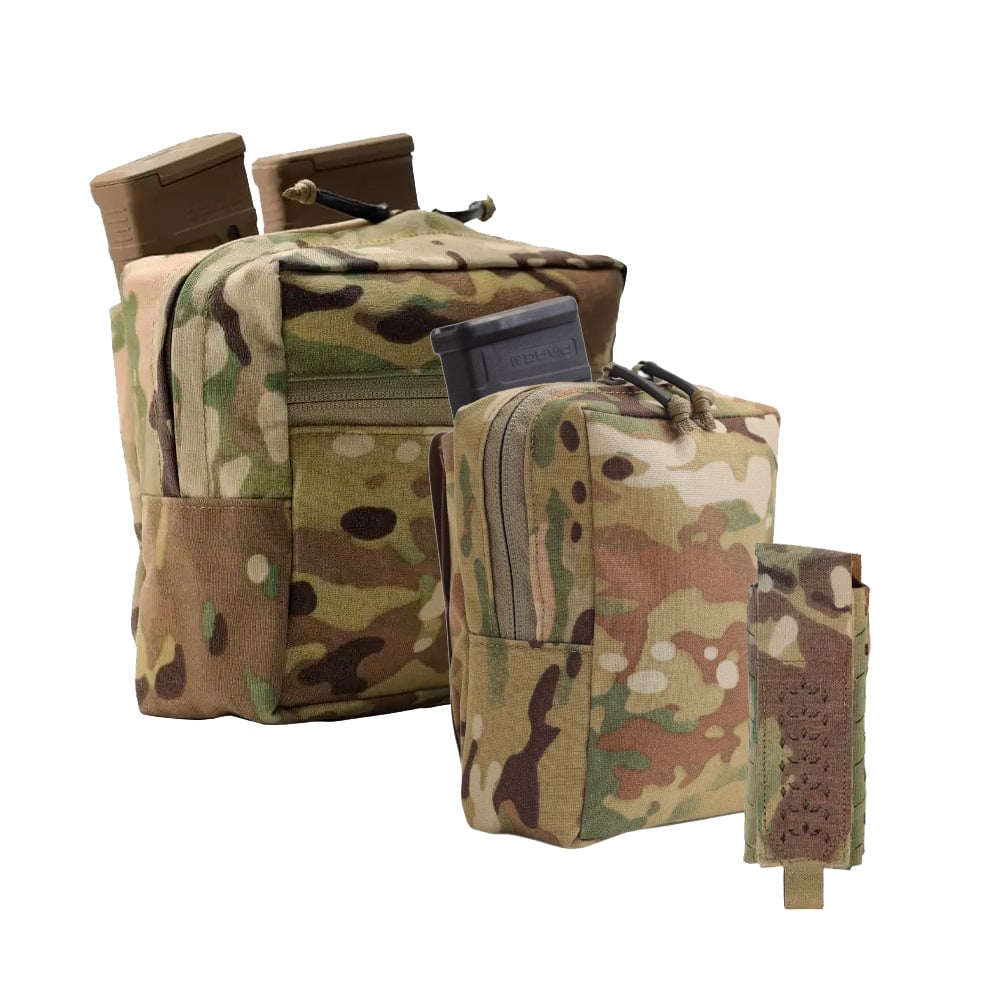
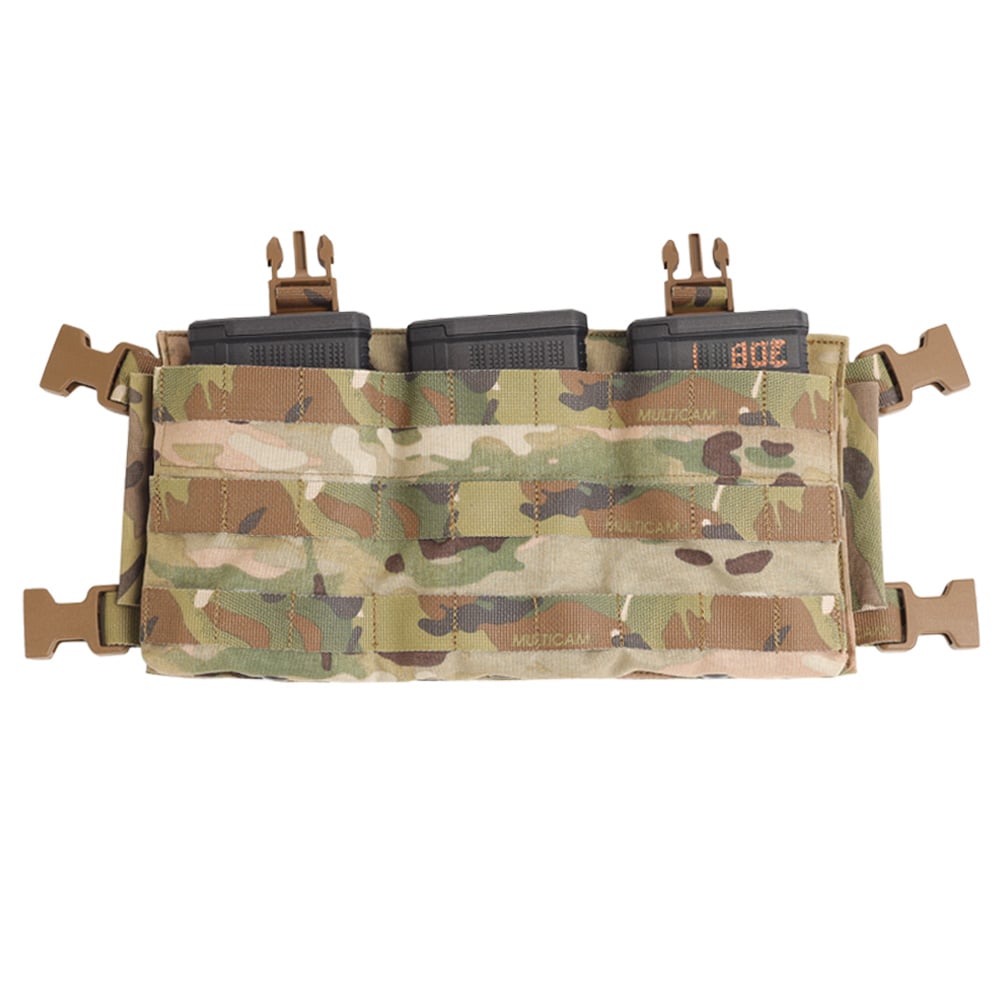
Plate carriers, chest rigs, pouches, and other non-ballistic gear can ship internationally with standard export procedures, but armor cannot.
Can Civilians Use Body Armor in Self-Defense?
Yes. Wearing body armor is not a crime, and using body armor for self-defense is no more legally risky than any other defensive preparation. You should verify your state’s specific rules around concealed carry, defense of premises, and the “duty to retreat” because those laws shape the broader self-defense context, but the body armor itself does not change the legal calculus.
That said, wearing body armor publicly can change how police respond to you in an active incident. Officers responding to a 911 call may treat someone in tactical gear as a threat first, and ask questions later. If you choose to wear body armor in public during a defensive scenario, be prepared for that dynamic.
Bottom Line
For most US civilians, body armor is legal to own and wear. Federal law prohibits violent felons from possessing body armor; state laws add specific restrictions in Connecticut, New York, and several other states. Always verify your state’s current law before purchasing.
If you are deciding whether body armor is the right purchase for your specific situation, our body armor for civilians guide walks through the actual use cases that justify the cost. For threat-level selection and the technical side of choosing armor, see our complete body armor guide.
FAQ
Federal law allows civilians without violent felony convictions to own body armor in all 50 states. State-level exceptions apply in Connecticut (in-person sales only) and New York (restricted to specific professions). Verify current law before purchasing.
No federal license is required. Most states do not require a license either. New York’s 2022 law restricts body armor sales to specific professions, which functionally requires you to demonstrate eligibility but is not the same as licensing.
Federal law (18 USC 931) prohibits anyone with a prior conviction for a federally-defined “crime of violence” from owning body armor. There is a narrow exception for lawful business use with employer certification. Non-violent felons are not prohibited under federal law, though state laws vary.
Body armor is generally legal to transport through airports in checked or carry-on luggage in most states. TSA does not prohibit it. Some airlines have their own restrictions. Wearing body armor at the airport may attract additional security screening.
Yes, concealed soft armor vests for civilian carry are legal under the same rules as other body armor. The fact that the armor is concealed under clothing does not change its legal status. We carry several concealed body armor options.
In most states yes, with the same caveats as openly carrying any defensive equipment. Verify your state’s rules. Some venues (schools, federal buildings, courthouses) have specific prohibitions.
Body armor laws vary widely outside the US. Canada, the UK, Australia, and many EU countries restrict civilian body armor ownership more heavily than the US does. We do not ship body armor internationally; verify your country’s law before attempting to acquire armor abroad.
If you live outside Connecticut and New York and you do not have a prior violent felony conviction, our body armor and ballistic helmet products are legal for civilian purchase. We do not ship body armor or armor-loaded carriers to Connecticut. New York buyers must demonstrate eligibility under state law before purchase.
The federal body armor statute is 18 USC 931 (purchase and possession by violent felons) and 18 USC 929 (penalty enhancement for use during a federal crime of violence or drug trafficking crime). State statutes vary; check your state’s penal code or consult a lawyer.
Ops-Core FAST SF Gen II Guide: Sizing, Weight, Protection and Setup
Ops-Core makes the FAST helmet, the high cut design most of the market has copied since. Ops-Core is part of Gentex Corporation, and its helmets are…
Ops-Core FAST SF Gen II vs PGD ARCH GEN3: Which High Cut Helmet to Buy
We carry two high cut ballistic helmets: the Ops-Core FAST SF Gen II and the PGD ARCH GEN3. Both are rated NIJ Level IIIA, both have…
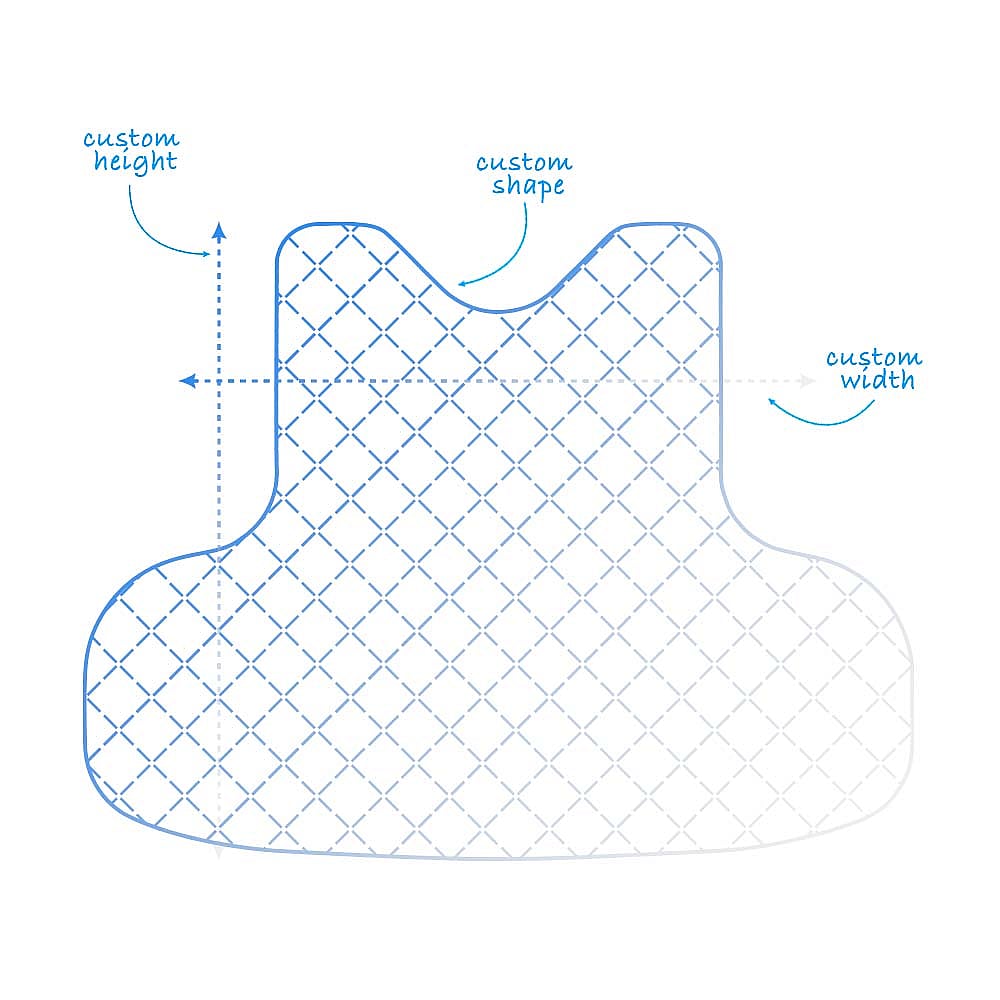
Custom Soft Armor: How to Get Inserts That Actually Fit Your Carrier
Most soft armor doesn't fit the carrier you actually own. Here's how our Custom Soft Armor program solves the fit problem and when to choose custom…