



ACH vs MICH Helmet: Mid Cut Combat Helmet Guide
ACH and MICH are mid cut ballistic helmets that dominated US military and law enforcement use for two decades. Here's how they differ, what they replaced, and where they fit today.
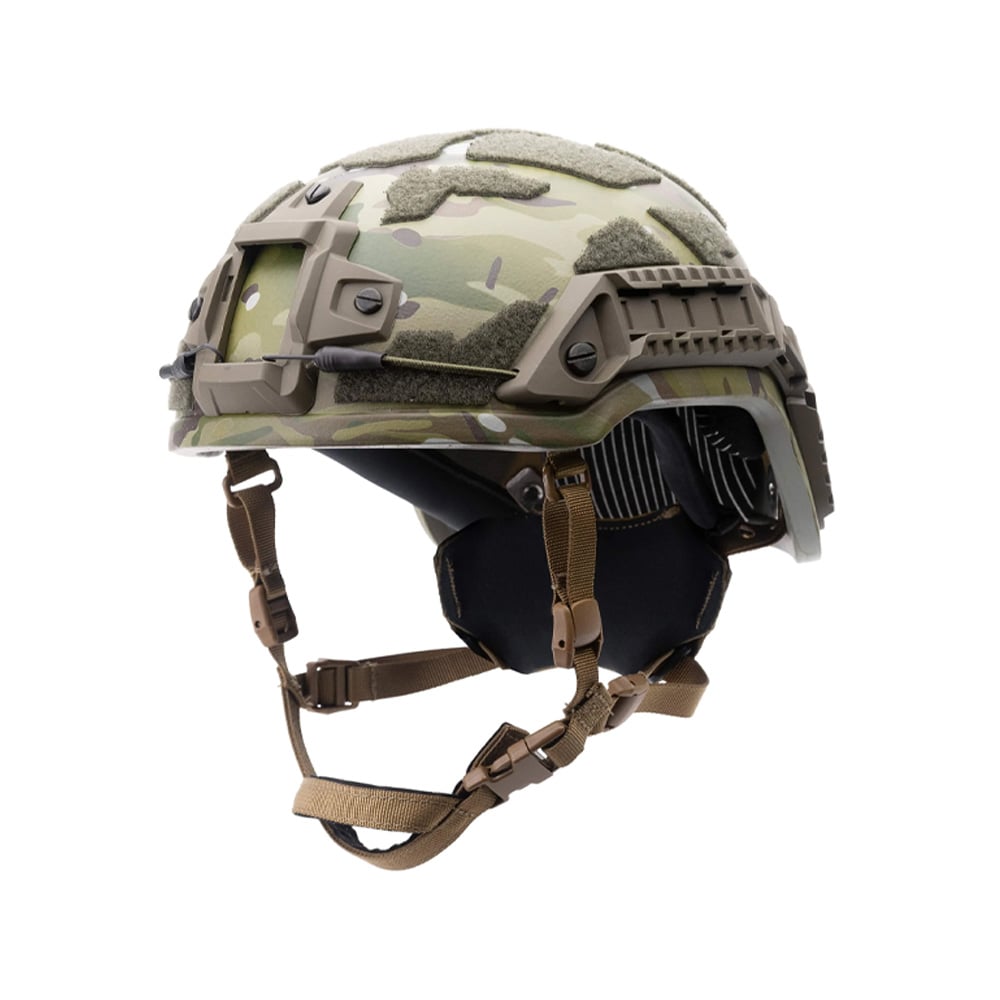
The ACH (Advanced Combat Helmet) and MICH (Modular Integrated Communications Helmet) are mid cut ballistic helmets used by US military forces and law enforcement agencies. The two terms are often used interchangeably online, and there’s good reason for the confusion: the ACH program was directly derived from the MICH design. This guide explains what each helmet actually is, how they differ, and where they fit in today’s helmet landscape now that high cut FAST-pattern shells dominate.
ACH and MICH: A Brief History
The MICH came first. The Modular Integrated Communications Helmet was developed in the late 1990s by SOCOM as a successor to the older PASGT (the classic full cut Fritz). MICH solved two problems with PASGT: it was lighter, and it was designed from the ground up to integrate with communications equipment, particularly the over-the-ear headsets that were becoming standard for special operators.
The MICH had three variants: MICH 2000 (mid cut), MICH 2001 (with ear cutouts for comms), and MICH 2002 (high cut). The mid cut MICH 2000 became the basis for the Army’s Advanced Combat Helmet program.
The ACH was adopted by the US Army around 2003 as the standard issue combat helmet, replacing PASGT across the force. The ACH is essentially the MICH 2000 with minor specification changes for mass production. By the late 2000s, every soldier in the US Army wore an ACH.
ACH vs MICH: Are They the Same Helmet?
Functionally, yes. The mid cut ACH and the MICH 2000 share the same shell geometry, the same NVG shroud pattern (4-hole standard), the same coverage profile, and the same mid cut ear cutout that allows over-the-ear comms headsets to fit.
The differences are largely procurement labels. ACH is the Army contract designation. MICH is the original SOCOM-era brand. Helmets in either family interchange accessories. When buyers see “ACH/MICH” listed together in a catalog, they’re being told the helmet fits both standards, which it does because they are essentially the same standard.
What Mid Cut Actually Means
“Mid cut” describes how much of the head the helmet covers. Compared to a full cut PASGT, a mid cut ACH/MICH:
- Covers the crown, temples, and partway down the back of the head similarly to full cut.
- Is trimmed away around the ears so over-the-ear headsets fit without interference.
- Retains some side coverage, providing better lateral ballistic protection than a high cut FAST.
- Is heavier than high cut but lighter than full cut.
This is the classic compromise position: most of the ballistic coverage of a full cut shell, with the comms compatibility of a high cut shell. For decades, this was the right answer for combat infantry.
Threat Rating
ACH and MICH helmets are typically rated to NIJ Level 3A for ballistic resistance and meet the V50 fragmentation standards used by the US military. Specific contract variants have additional rifle-rated configurations for special threat environments.
Why High Cut (FAST) Replaced ACH for Most Users
The shift from mid cut ACH/MICH to high cut FAST happened over the 2010s. A few drivers:
- Active hearing protection became standard. The Peltor ComTac, Ops-Core AMP, and similar electronic ear-pro became the dominant choice. They’re bulkier than passive headsets and need more clearance than even the ACH ear cutout provides.
- Night vision loads grew. Binocular NVGs (BNVDs, GPNVGs) are heavier than older monocular PVS-14s. Lighter helmets reduced neck strain over long missions, and the high cut shell shaved weight where it mattered.
- Accessory ecosystems matured. Side rails for lights, IR strobes, and counterweights became standard. High cut shells were designed with rails from the start; ACH shells got rails as add-ons.
Today, the US military continues to issue mid cut shells (the ACH and its successor IHPS) but most special operations units run high cut FAST-pattern shells. Civilian and LEO buyers almost universally prefer high cut for the same reasons: comms compatibility, accessory mounting, lighter weight.
When You Still Want a Mid Cut ACH or MICH
Mid cut shells are still the right answer for some buyers:
- Mandated coverage requirements: some military and federal roles require the side ballistic coverage of a mid cut shell.
- Buyers who don’t run active hearing protection: if you use passive ear-pro or no ear-pro, the wider mid cut shell costs you nothing in comfort.
- Buyers with legacy accessories: if your existing kit is built around the ACH/MICH shroud and rail interfaces, staying in that ecosystem makes sense.
For most modern buyers, however, high cut is the better answer.
Upgrading an Existing ACH or MICH Helmet
If you already own an ACH or MICH shell and want to bring it up to modern standards, several upgrades work:
Side Rails
Older ACH and MICH shells shipped without side rails. The PGD ARCH/MICH Helmet Rails retrofit to legacy shells and add ARC-compatible rail mounting for lights, counterweights, and accessory brackets. Made by Protection Group Denmark.
NVG Shroud Upgrade
If you run real night vision and the stock ACH shroud has accumulated wear, the Unity SUMMIT Shroud is a tighter-tolerance replacement that reduces NVG wobble. The SUMMIT mounts to standard 4-hole shroud patterns.
Retention Upgrade
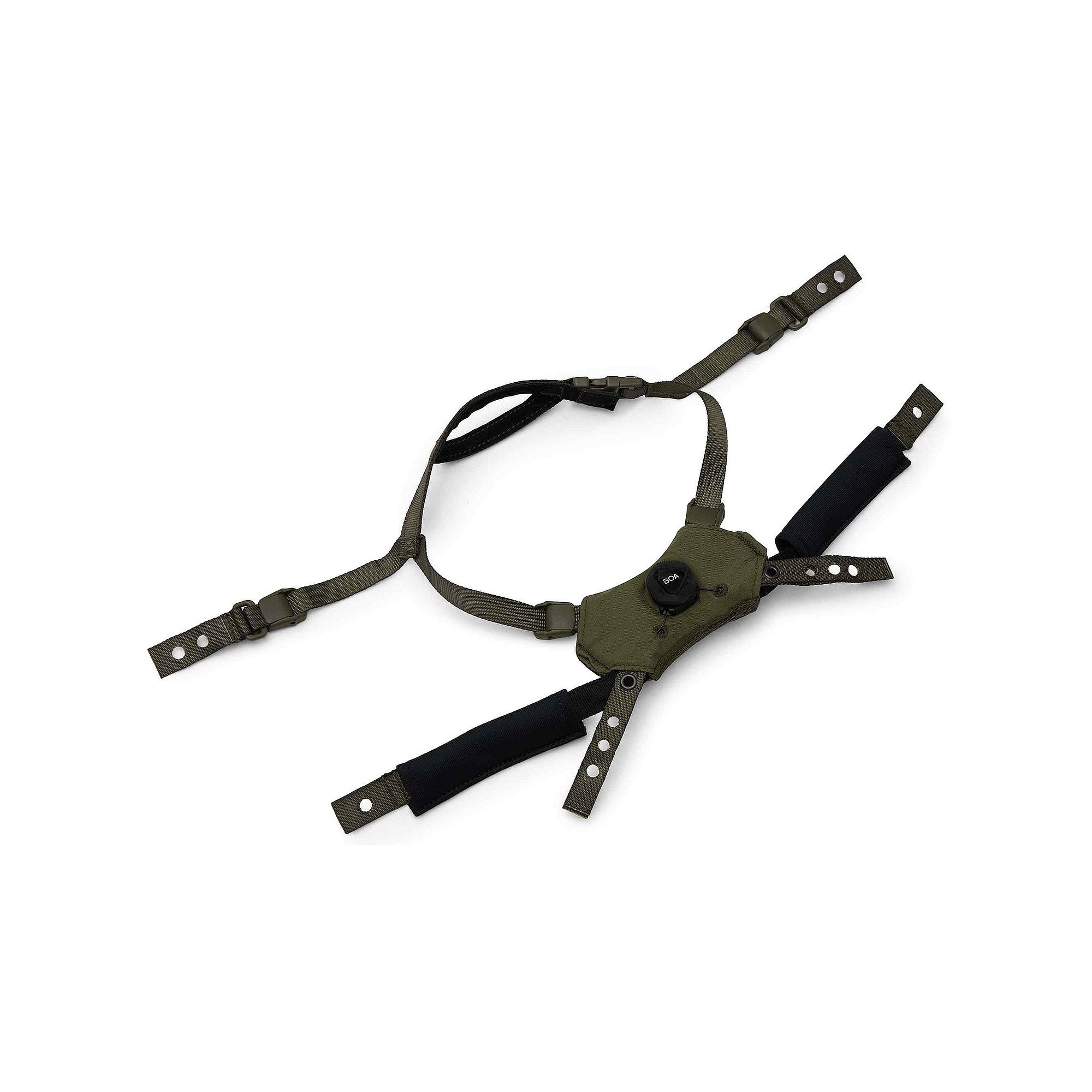
The original ACH H-Nape retention system is functional but uncomfortable for long shifts. The PGD Helmet Dial Retention System retrofits to many ACH shells and provides a single rear dial for fit adjustment.
Liner Upgrade
Stock ACH pad systems are basic. The D3O Halo Helmet Liner System uses reactive D3O polymer for dramatically improved impact protection. Retrofits cleanly to ACH shells.
Helmet Cover
Our universal Helmet Cover With Retention System fits ACH and MICH shells, providing IR-defeat surfaces, patch attachment points, and shell protection.
Bottom Line
The mid cut ACH/MICH platform is well-proven and still relevant for buyers with specific use cases. For most modern users, however, a high cut shell like the PGD ARCH GEN3 offers better integration with comms, NVGs, and accessory mounting at competitive pricing.
If you already own an ACH or MICH and want to upgrade, the rail kit, dial retention, NVG shroud, liner, and helmet cover all retrofit cleanly. For the full picture on cuts, threat levels, and helmet selection, see our complete ballistic helmets guide.
FAQ
ACH stands for Advanced Combat Helmet. It was the standard-issue combat helmet of the US Army from the early 2000s through the mid-2010s, replacing the older PASGT. The ACH was based directly on the SOCOM-developed MICH 2000.
MICH stands for Modular Integrated Communications Helmet. The MICH was developed by US Special Operations Command in the late 1990s and was designed from the start to integrate with communications headsets, particularly the over-the-ear models that were becoming standard.
Functionally, the mid cut ACH and the MICH 2000 share the same shell geometry, NVG shroud pattern, and ear cutouts. They use the same accessory mounts. The differences are largely procurement labels: ACH is the Army contract, MICH is the SOCOM original.
Yes, in some roles. The US military has transitioned much of the force to the IHPS (Integrated Head Protection System) and high cut shells, but ACH helmets remain in service in various configurations. Civilian and LEO buyers occasionally buy surplus ACH shells, though most modern buyers prefer high cut FAST-pattern shells.
For most modern users, a high cut FAST-pattern helmet is the right answer because it integrates better with active hearing protection, runs lighter for night vision use, and offers easier accessory mounting. ACH is still right for buyers with mandated coverage requirements or legacy accessory ecosystems. We stock two high cut options: the Ops-Core FAST SF Gen II, the current version of the original FAST, and the PGD ARCH GEN3 at a lower price. See how they compare.
MICH 2000 is mid cut. MICH 2001 is mid cut with ear cutouts for comms. MICH 2002 is high cut, the precursor to the modern FAST-pattern shells. Most ACH/MICH discussion online refers to the mid cut MICH 2000 and its ACH derivative.
Yes, the PGD ARCH/MICH Helmet Rails retrofit to older ACH shells without rails and add ARC-compatible mounting for lights, counterweights, and brackets. Installation usually requires no permanent modification to the shell.
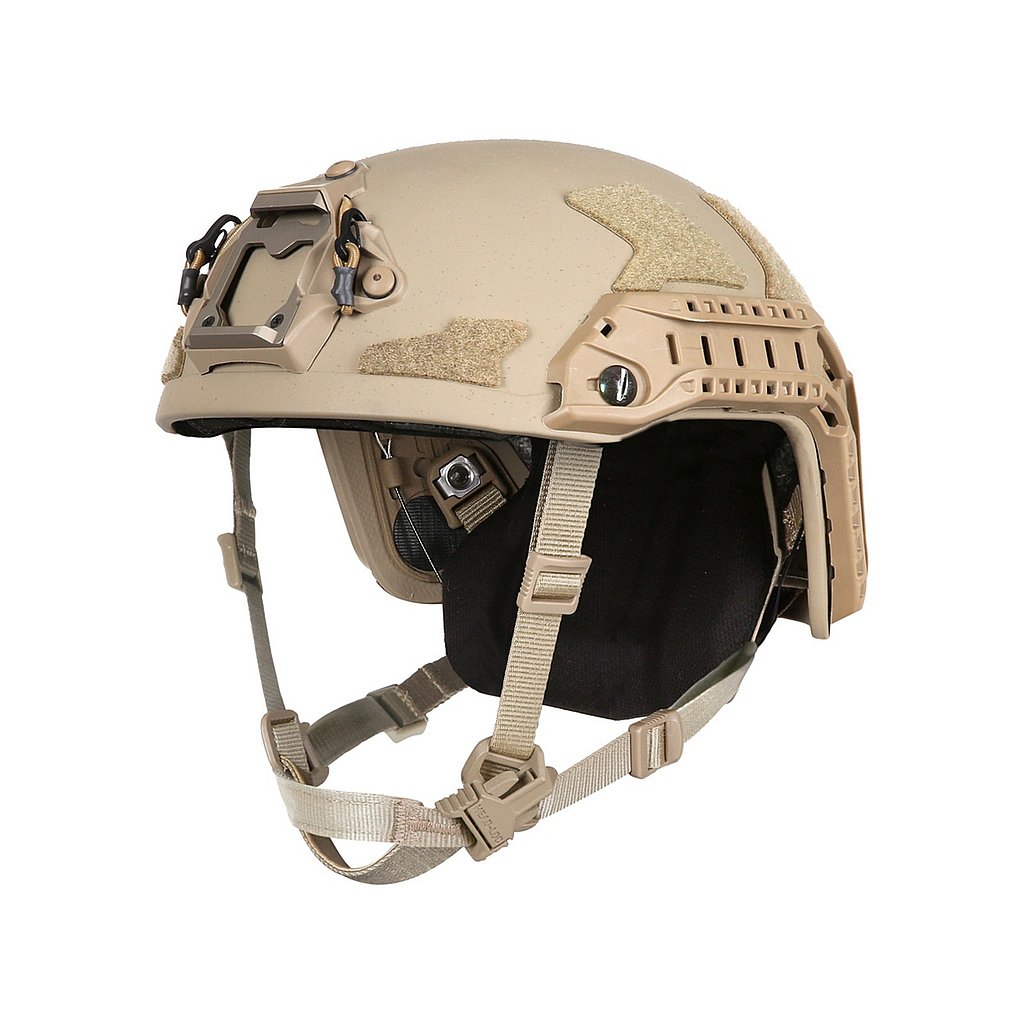
Ops-Core FAST SF Gen II Guide: Sizing, Weight, Protection and Setup
Ops-Core makes the FAST helmet, the high cut design most of the market has copied since. Ops-Core is part of Gentex Corporation, and its helmets are…
Ops-Core FAST SF Gen II vs PGD ARCH GEN3: Which High Cut Helmet to Buy
We carry two high cut ballistic helmets: the Ops-Core FAST SF Gen II and the PGD ARCH GEN3. Both are rated NIJ Level IIIA, both have…
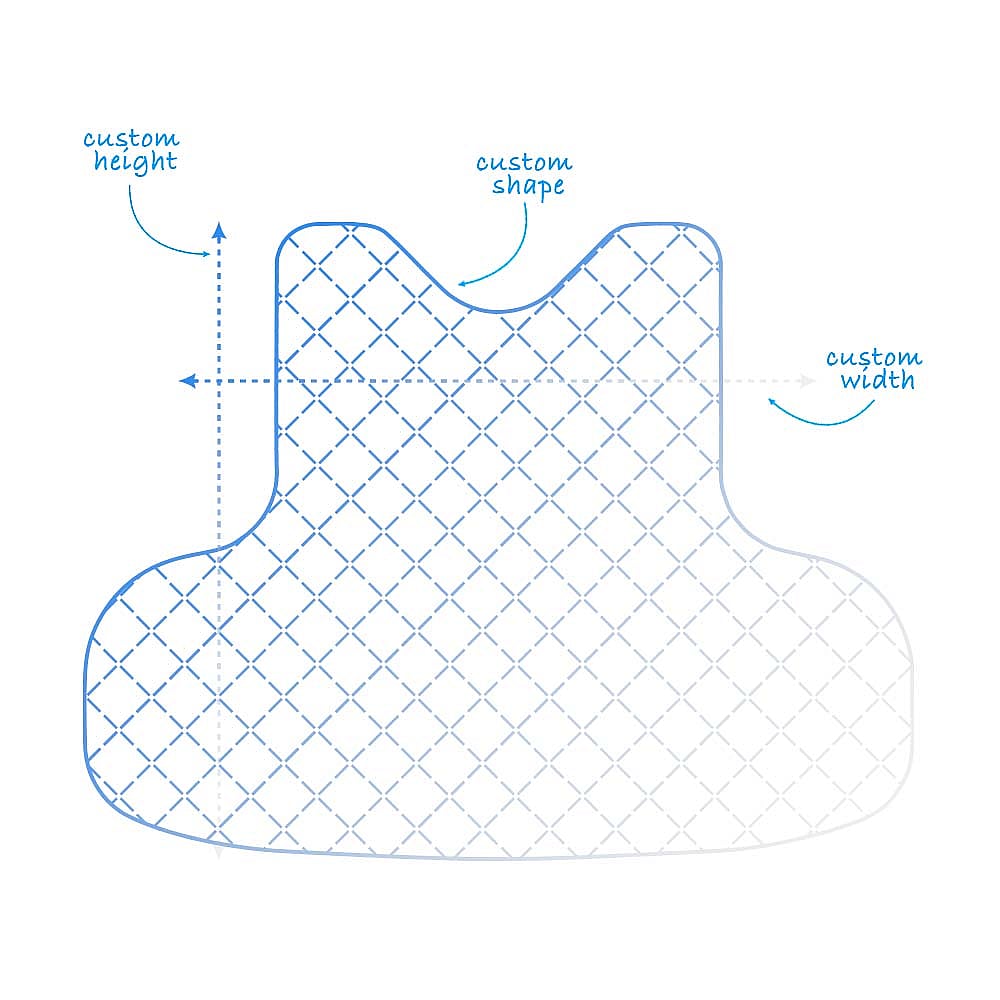
Custom Soft Armor: How to Get Inserts That Actually Fit Your Carrier
Most soft armor doesn't fit the carrier you actually own. Here's how our Custom Soft Armor program solves the fit problem and when to choose custom…