



Bump Helmet vs Ballistic Helmet: When You Actually Need Each
A bump helmet protects against impact, not bullets. Here's when you actually need a bump helmet, when you need a ballistic helmet instead, and what to look for in a quality bump shell.
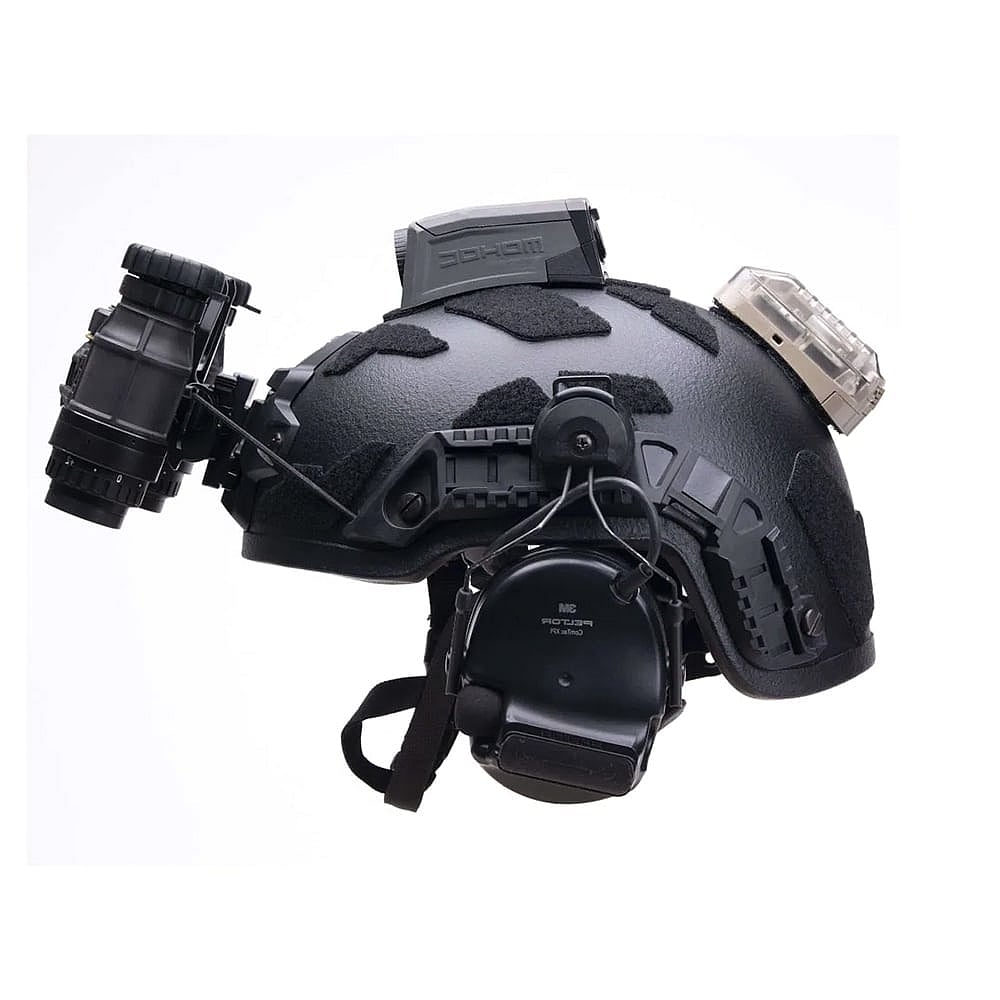
A bump helmet is a non-ballistic shell built to protect against impact, not against bullets. Bump helmets are popular for training, force-on-force, breaching practice, climbing, vehicle ingress, and any other context where impact protection matters but ballistic threats do not. Buyers often ask whether a bump helmet is enough, whether they need a ballistic helmet instead, or whether they should own both. The answer depends entirely on what you’re protecting against.
Here’s how to think about it.
What a Bump Helmet Actually Does
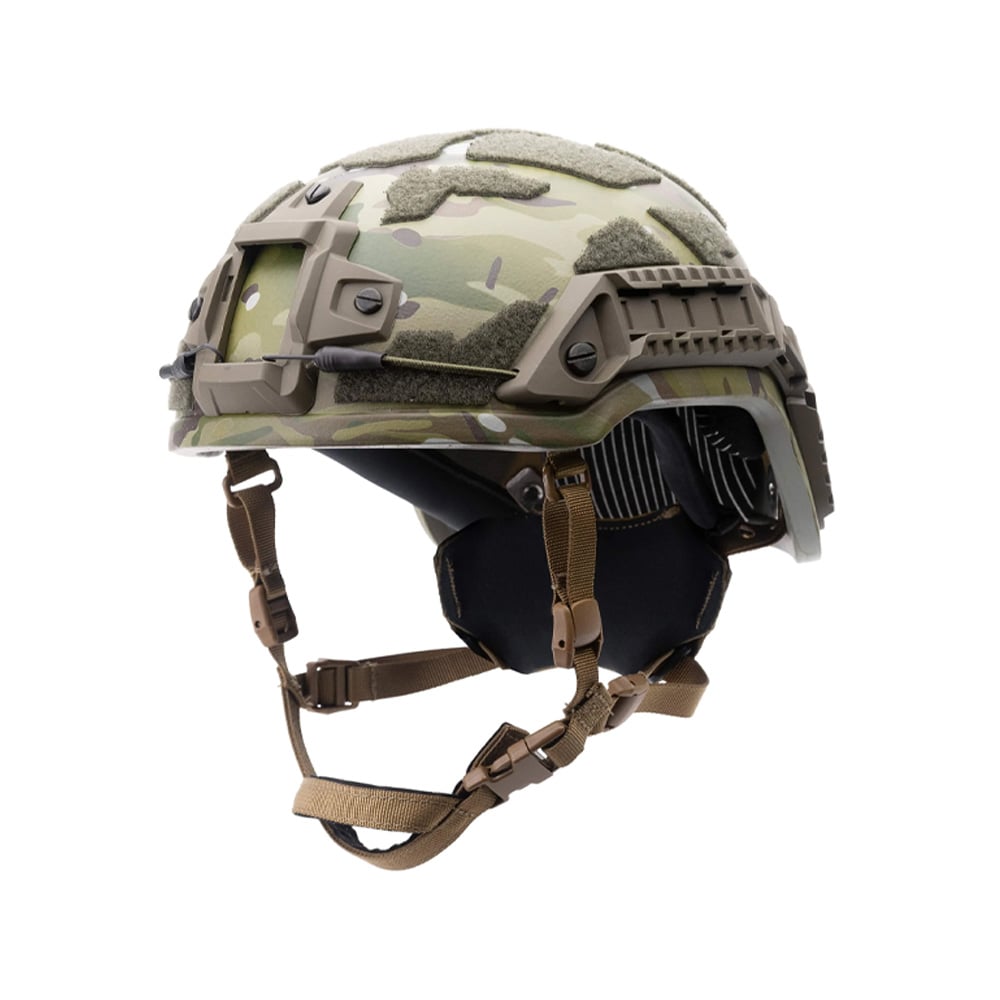
A bump helmet is a polymer or composite shell, usually weighing 1.0 to 1.8 lb, designed to protect your head from impact: falling debris, low ceilings, vehicle interiors, climbing falls, equipment slips, and head strikes during training. The shell is rigid enough to spread the load of a single impact across the surface area of the helmet so no one point takes the full force.
Bump helmets accept the same accessory mounts as ballistic helmets: an NVG shroud at the front, side rails for lights and counterweights, and a retention system. This is by design. The bump helmet is meant to function as a training analog or accessory platform that uses the same mounts as your real ballistic shell, so you can swap accessories between helmets without re-zeroing your night vision or remounting your light.
What a Bump Helmet Does Not Do
A bump helmet is not rated to stop bullets or fragmentation. This needs to be stated clearly because the airsoft market and the cheap end of the tactical gear market sell bump helmets in tactical aesthetics and color schemes that look identical to ballistic helmets. Buyers occasionally assume the visual similarity means functional similarity. It does not. A polymer bump shell will be defeated by any handgun round.
If you are anywhere near credible firearm threats, you need a ballistic helmet, not a bump helmet. The price difference (a few hundred dollars for a bump helmet, vs $800 to $2,500 for a quality ballistic helmet) reflects the difference in protection.
When to Buy a Bump Helmet
- Training: live-fire training where you wear a helmet for hours but no real ballistic threat is present, force-on-force training with simunitions or airsoft, breach training, vehicle drills.
- Civilian use cases without ballistic threats: rock climbing, mountain rescue, search and rescue, technical wilderness work, motorsport pit crew work, urban exploration, tree work.
- Airsoft and paintball: where the rounds will not penetrate a polymer shell anyway and a ballistic helmet is overkill.
- As a training shell to preserve your ballistic helmet: this is the most common reason serious users buy bump helmets. The bump takes the daily abuse of training, transport, and accessory wear, and the ballistic helmet stays clean and ready for live operations.
When to Buy a Ballistic Helmet Instead
- You are LEO, military, private security, or executive protection in any operational role.
- You are a civilian who has a credible reason to expect handgun threats or fragmentation. This is a higher bar than the gun-store-counter version of the question. Most civilians do not need ballistic helmets. Some do.
- You will mount real night vision (PVS-14, BNVDs, GPNVG-18) and want the durability of a ballistic shell handling the mounting loads.
- You are training for an environment where ballistic threats are credible and want your training and live shells to match.
If any of these apply, the right answer is a ballistic helmet like the PGD ARCH GEN3. Pair it with a bump helmet only if your training schedule justifies preserving the ballistic shell.
What to Look For in a Bump Helmet
Three things matter: shell quality, fit, and accessory mounting compatibility.
Shell Quality
Cheap bump helmets crack on a single hard impact. Quality bump shells are made from injection-molded ABS or composite polymers with structural ribbing. The shell should feel rigid, not flexy, when you press the sides toward each other. The visible finish should be uniform with no obvious seam lines or thin spots.
Fit
A bump helmet sized too large will rotate, ride up, and fall forward exactly the same way an oversized ballistic helmet will. Measure your head circumference at the widest point and follow the manufacturer’s size chart. A correctly sized bump helmet sits level, two fingers above your eyebrows, and stays in place when you shake your head vigorously.
Accessory Mounting
If you plan to mount NVGs, lights, or comms, the bump helmet has to accept the standard mounts: a 3-hole or 4-hole NVG shroud at the front and ARC rails (or compatible) on the sides. Some cheap bump helmets save money by skipping these mounts; do not buy one of those if you intend to add accessories later.
Pad and Liner Upgrades for Bump Helmets
The pad system inside the shell is what actually absorbs impact energy. Stock pad systems on most bump helmets are basic. The single best upgrade you can make to a bump helmet is the D3O Halo Helmet Liner System, which uses D3O’s reactive polymer (the same material in motorcycle armor) to dramatically improve impact protection. The Halo retrofits to most bump and ballistic helmets and is the right upgrade for any helmet that sees regular impact loads.
For retention, the PGD Helmet Dial Retention System works in many bump helmets that ship with basic chinstrap retention. The dial retention is more comfortable for extended wear and adjusts faster between users.
Helmet Covers for Bump Helmets
Helmet covers protect the shell from scuffs, accept patches, and provide IR-defeat surfaces. Our Helmet Cover With Retention System fits a wide range of bump and ballistic shells. For users who specifically need foliage camouflage, the Ghillie Scrim Helmet Cover works on either helmet type.
Where We Stand
Midwest Armor does not currently stock bump helmets directly. We focus on ballistic helmets and the accessory ecosystem (covers, NVG shrouds, retention systems, liners) that fits both bump and ballistic shells. If you need a bump helmet, look at the Galvion Caiman Bump or the Team Wendy EXFIL LTP from authorized dealers. Both are quality shells with proven accessory compatibility.
If you want to upgrade a bump helmet you already own, the D3O Halo liner, PGD dial retention, and helmet covers all retrofit cleanly. For the full picture on cut types, threat levels, and helmet selection, see our complete ballistic helmets guide.
Custom Soft Armor: How to Get Inserts That Actually Fit Your Carrier
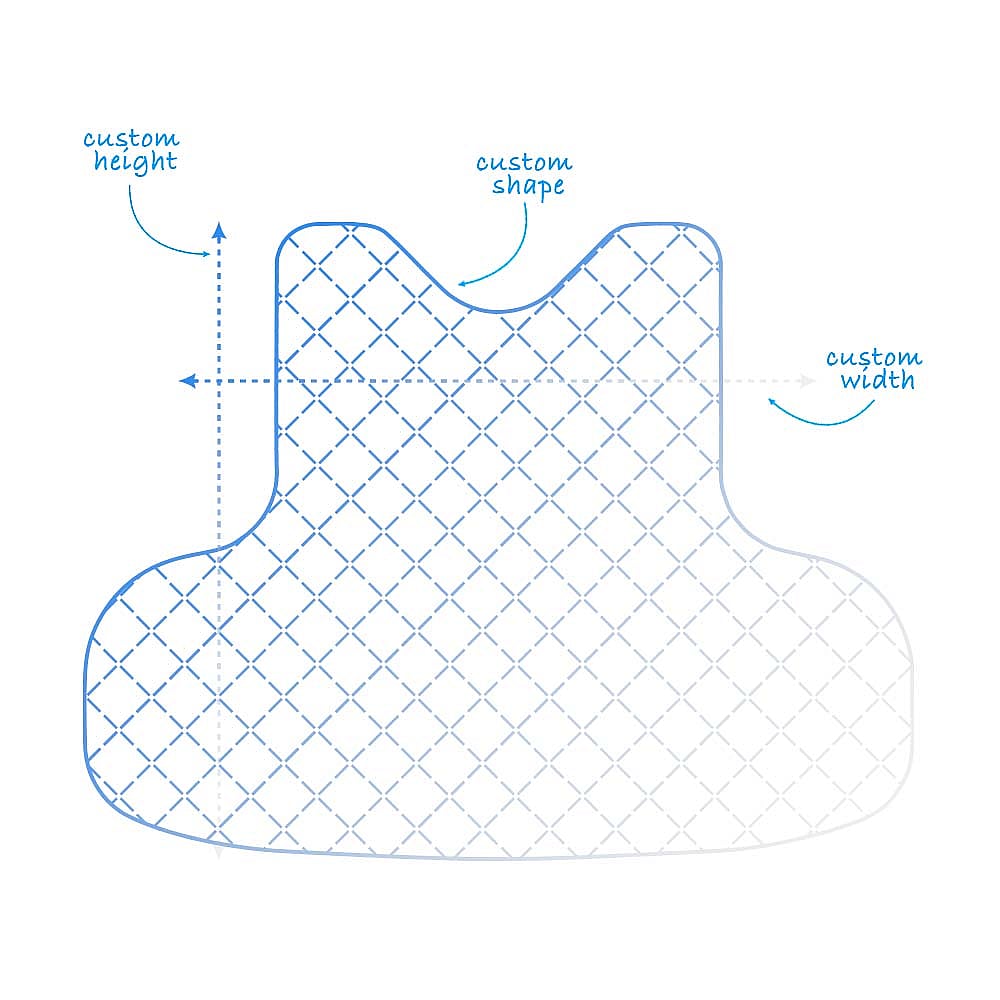
Most soft armor doesn't fit the carrier you actually own. Here's how our Custom Soft Armor program solves the fit problem and when to choose custom…
Layering a Chest Rig Over a Plate Carrier: When and How
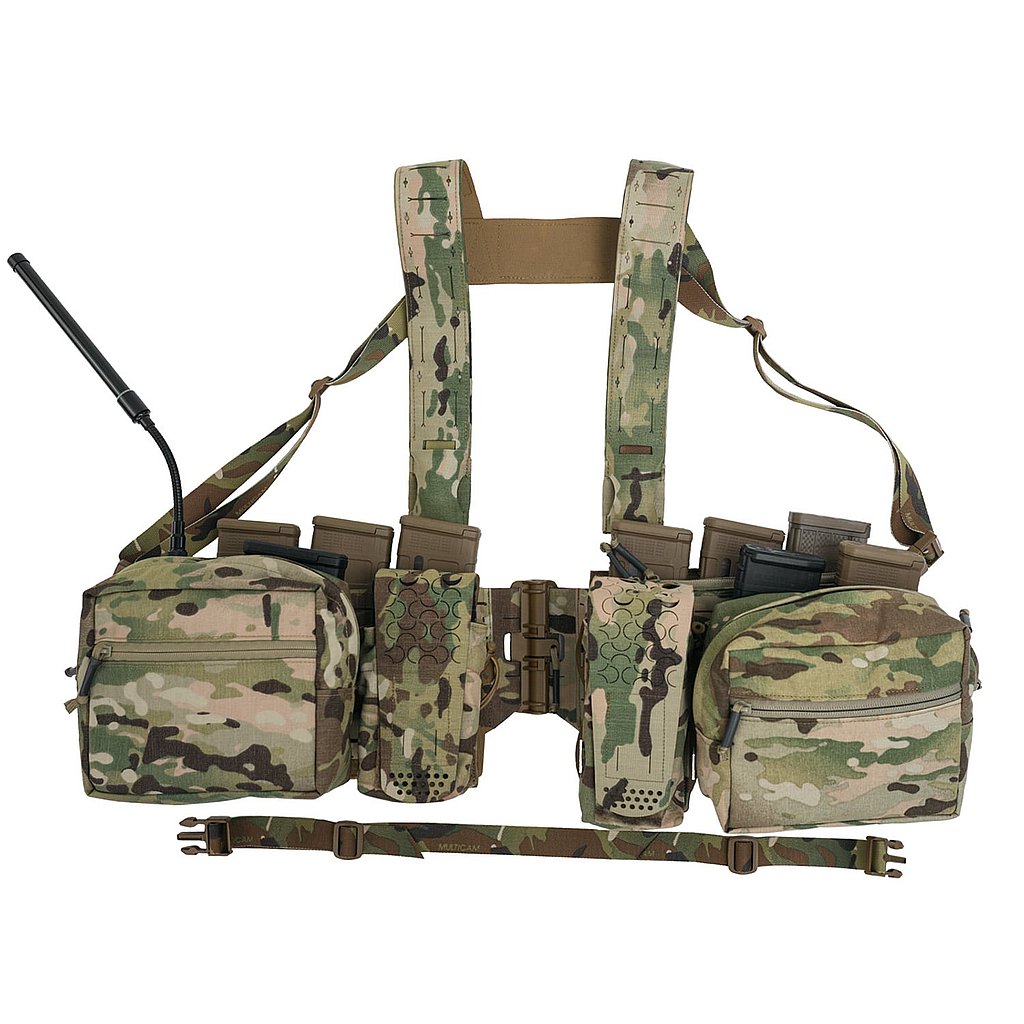
Layering a chest rig over a plate carrier gives you ballistic protection plus high-capacity gear carriage. The SRV Split Chest Rig is purpose-built for this layered…
Best Chest Rig: How to Pick the Right Rig for Your Role
The best chest rig is the one that matches your role, mag count, and platform. Here is how to pick between continuous, modular, split, and minimalist…